
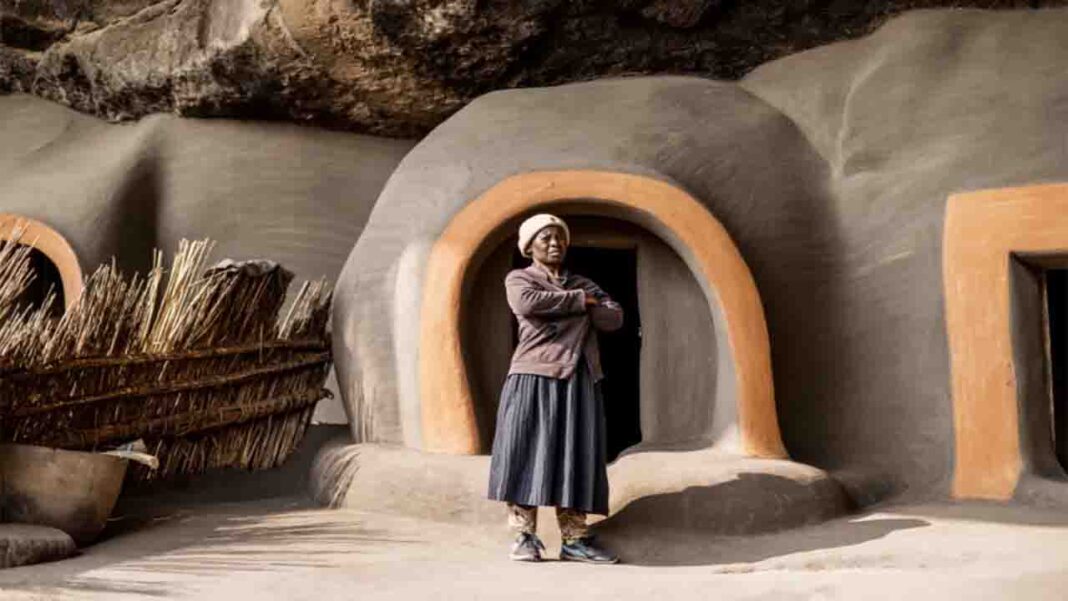
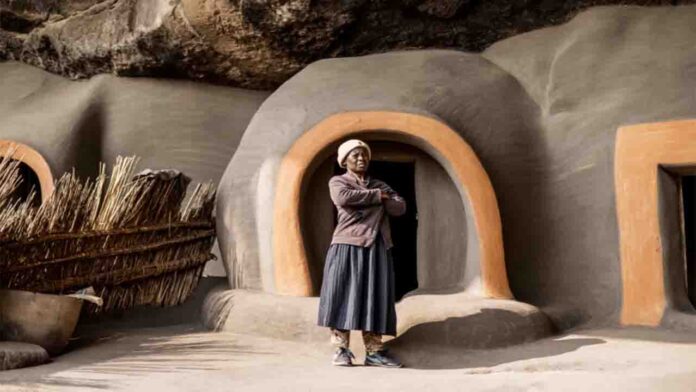
They are Lesotho’s last cave dwellers and they are content

- Advertisement - (adsbygoogle = window.adsbygoogle || []).push({});

Mateka, Lesotho (Commonwealth Union)_More than 1800 meters above sea level and not too far from the capital Maseru in Lesotho, atop a rocky mountain sits a beehive of caves, inhabited by tribal people from over 200 years ago.  These are Lesotho’s last cave dwellers, the vestiges of the Baia and Bataung tribes who made these caves their home since the 19th century.

The Kome Caves were first inhabited 200 years ago by tribes seeking shelter from conflict

Today, the Kome Caves are home to a few dwellers, given that most have died and the younger generation has moved onto the hustle, bustle, and supposed prosperity of the city.  The dimly-lit mud dwellings though not the urban dweller’s idea of luxury living, create a home for a small number of people who are very content with their trouble-free lifestyle.
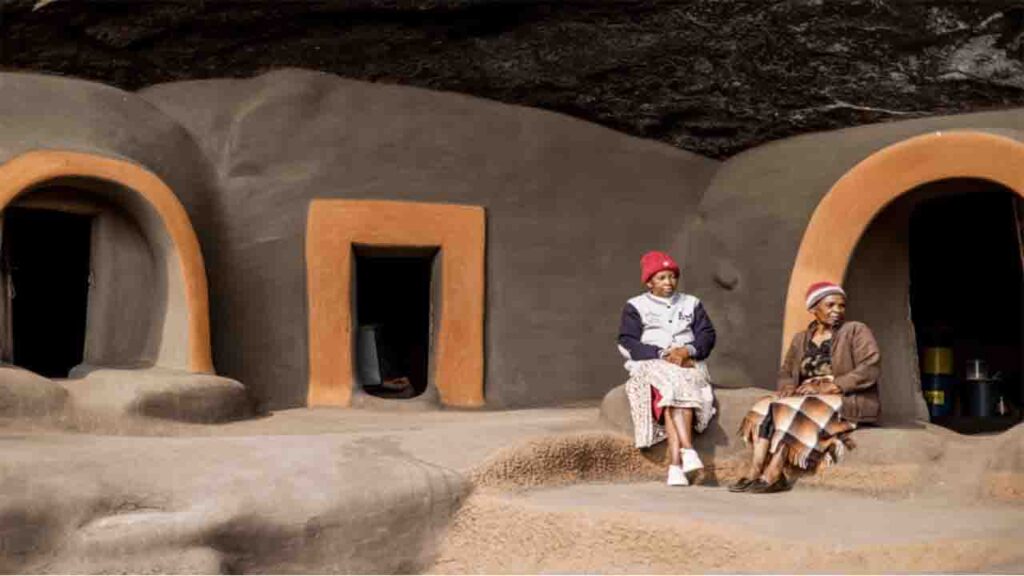
Most of the Kome Cave dwellers live on farming

The tribes initially sought shelter in the circular caves seeking shelter from conflict and cannibalism. But today, they are free, unharmed, and maintain their religious roots.  It’s not uncommon to have some of them with rosaries adorning their necks and saying a prayer at whatever time of the day.   They live on subsistence farming growing corn, sorghum, and beans, and raise chickens and cattle.  It helps that the caves are surrounded by verdant pastures. Their meals are unfussed – the traditional corn porridge of ‘papa’ cooked in a black cast iron pot simmering over a wood fire.
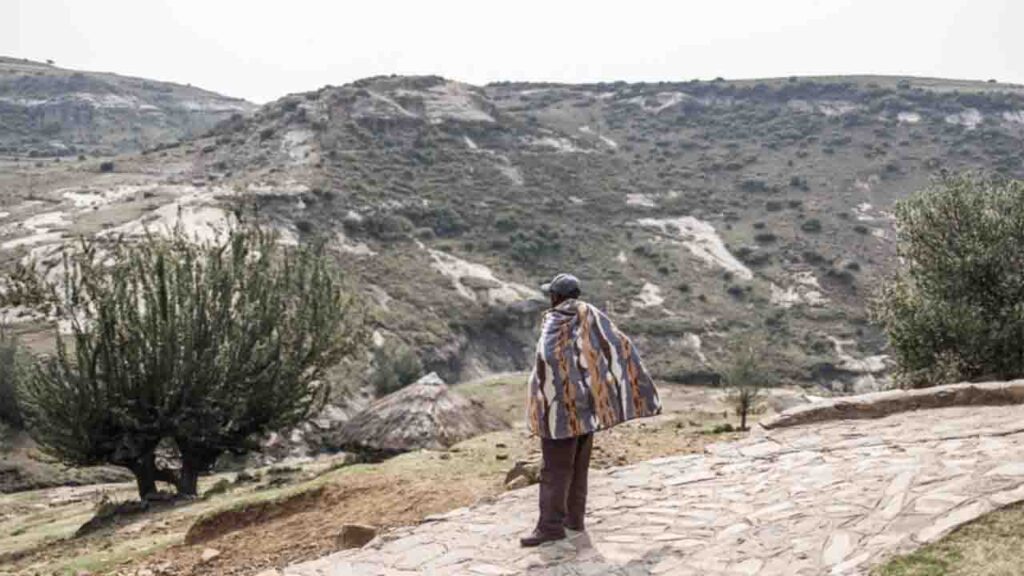
A view of the valley from the site of the Kome Caves

The round houses back the basalt rock and have doorways shaped like arches, just high enough for a person to walk through. The walls and floors are covered in a blend of manure and mud, which are constantly refurbished.  The dwellers themselves live simple lives.  They sleep on a cowhide on the floor and have a few cooking pots and plastic buckets to store water. There’s no electricity, running water, internet, or mobile phone coverage, but the residents are not leaving their cave homes which holds a large part of their history.


A Personal Note from the Publisher" Small photo of you, with your signature beneath

A Personal Note from the Publisher

My dear friend, thank you for your time with us today. This site was built for you, the members of the Commonwealth Family, and nothing matters more to me than hearing your voice and feedback.

What did you make of this article? Did it inform you, challenge you, or leave you wanting more?

Please tell me. I read your replies personally and they help shape everything we publish.

With warmest wishes,
Hon. Nirj Deva
Founder and Publisher.

Free, always. We'll never sell your details.

spot_img

Hot this week

India’s Gold Revolution: You Can Now Own Gold Without Ever Holding It—What Is Changing?

MUMBAI, INDIA — 20 NOVEMBER 2026 People in India have...

Malta’s New Tourist Tax Set to Exceed Rates in Competing Mediterranean Destinations

Travellers planning a holiday in Malta will soon face...

TSMC Tightens Chip Manufacturing Rules for Chinese Companies After New US Export Controls

The world’s largest contract chipmaker, Taiwan Semiconductor Manufacturing Co...

Jamaica and the United States Sign Customs Agreement to Bolster Border Security

Jamaica and the United States have signed a new...

The Flight Was Over, But the Danger Wasn’t: Why Two Virgin Australia Pilots Refused to Fly Again

ADELAIDE, AUSTRALIA — 20 NOVEMBER 2026 It is possible for...
- Advertisement - (adsbygoogle = window.adsbygoogle || []).push({});

Related Articles

- Advertisement -sitaramatravels.comsitaramatravels.com

Popular Categories