
An African researcher is advancing on a ‘gene drive technology’ that could possibly wipe out malaria or malaria-causing mosquitoes from the continent.
Abdoulaye Diabate, who was presented the 2023 Falling Walls Prize for Science and Innovation Management for his study, is creating an advanced technique that can wipe out malaria-causing female mosquitoes by changing their genes.
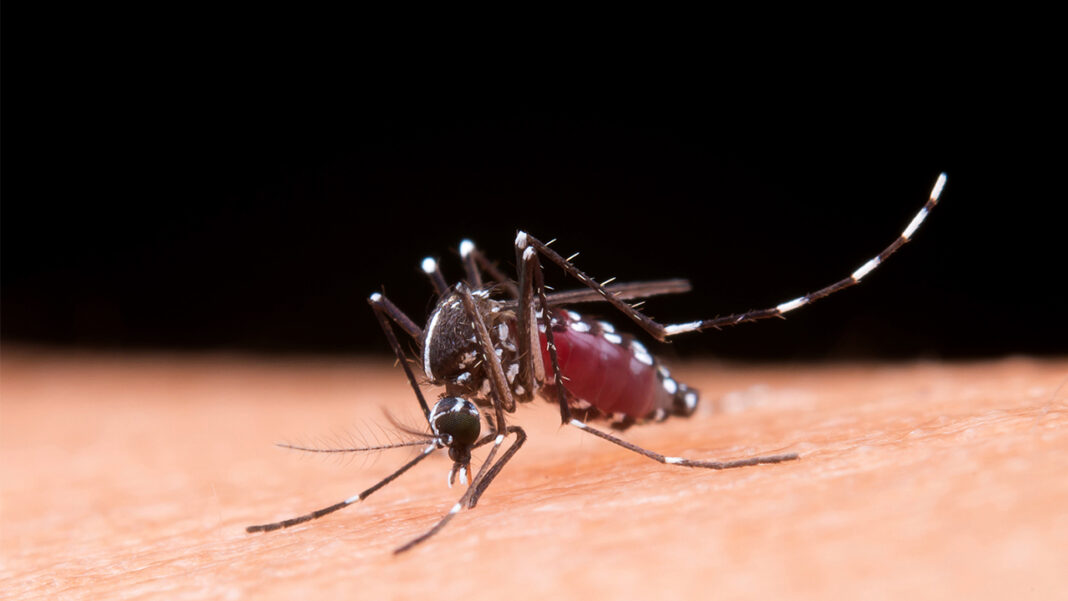
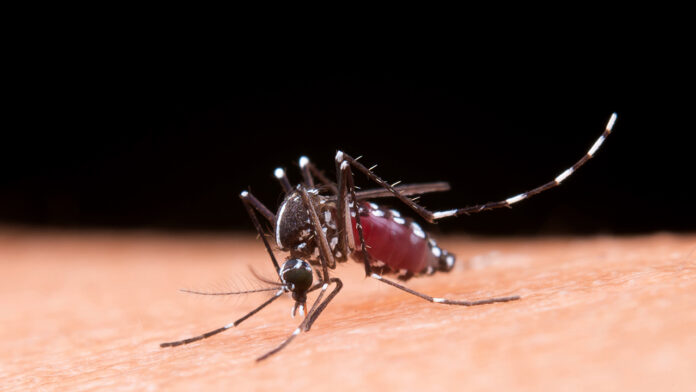
Malaria is normally spread through the bite of female Anopheles mosquitoes, as male mosquitoes do not bite.
With gene drive technology, female mosquitoes are restricted from creating new female offspring by discharging genetically altered male mosquitoes in the environment.
This would lead to the reduction of female mosquitoes, hence bringing down malaria causes throughout the continent.
When the (gene-edited) mosquitoes are released, they will spread across the whole mosquito population and reduce malaria spread right away, the researcher from Burkina Faso was mentioned as saying by CNN.
The genetically altered mosquitoes are the ones to do the job, unlike the alternative (malaria control) interventions where humans travel from place to place to administer, he added.
He also informed, that the process was more justifiable as well as budget-friendly.
However, Abdoulaye Diabate added that the technology could still take many years to be perfected for rolling out.
Africa carries the world’s principal malaria burden, with the continent holding 96 per cent of the total 619,000 deaths worldwide in 2021.
According to the WHO’s newest data, of those 96 per cent, 80 per cent of deaths are of children aged under five.
According to Diabate, creating advanced malaria-controlling tools was the only way to deal with this threat.
Even though bed nets are doing a good job … we now have extensive insecticide resistance in the diverse species of mosquitoes, specifically those that are spreading malaria, he was quoted as saying.
In spite of the technology being hyped as the promising one, health authorities around the globe have pointed out environmental concerns that may arise.
Some support groups are heatedly opposing the technology, saying its influence on the ecosystem can never be forecast.
Every living being, even if it seems hazardous or harmful to humans, justifies important responsibilities in its habitat. The termination or even alteration of a species will therefore have consequences for the whole bionetwork, cautioned German-based advocacy group Save Our Seeds (SOS) on its website.