
NEW DELHI, INDIA — 27 NOVEMBER 2026
Amid ongoing airspace restrictions linked to the US-Israel war with Iran, Indian airlines—including IndiGo, Air India, and SpiceJet—began gradually restoring limited flights to and from the Middle East on Friday, 6 March 2026. Between 28 February and 5 March, over 25,000 of the more than 44,000 flights scheduled in and out of the Middle East had already been cancelled, leaving travel disrupted across the region.
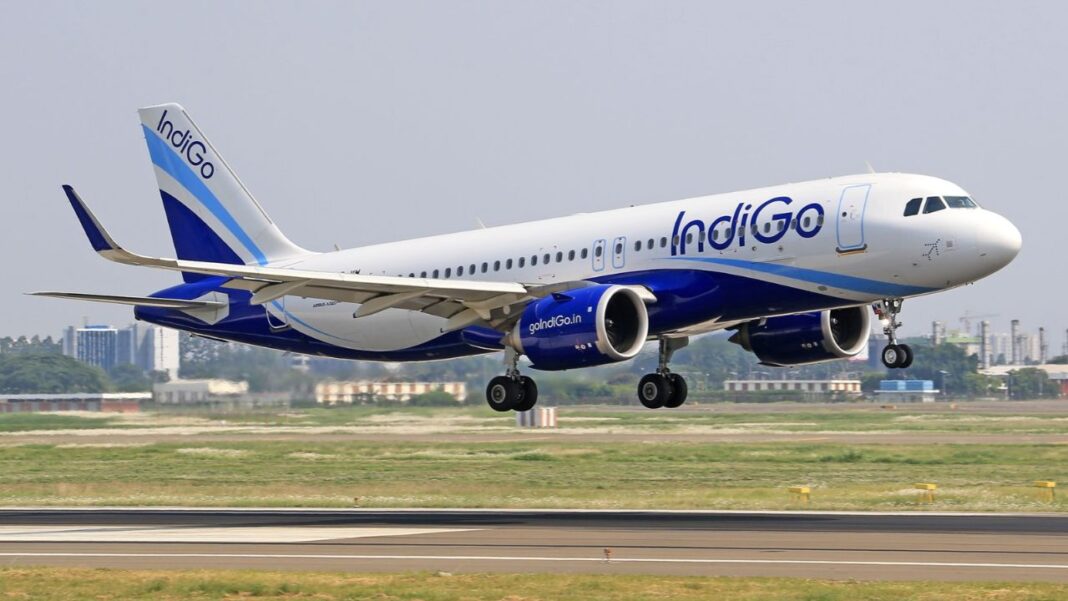
IndiGo announced 17 departures (34 sectors) on 6 March to eight Middle East destinations and said it was working with government authorities to safely resume more services. The airline advised passengers on affected flights to wait for direct communication before going to the airport, as a general resumption announcement does not confirm every booked flight.
Air India and Air India Express restored limited services to Jeddah and Muscat following airspace reopenings in Saudi Arabia and Oman, though broader West Asian routes remained suspended through 10 March. The airline offered one-month fee-free rebooking options for passengers holding tickets issued up to 4 March for travel between 28 February and 8 March.
To assist stranded individuals, SpiceJet operated special flights from the UAE to India from 6 to 8 March, while Air India deployed ad-hoc repatriation services on 6 March from Dubai, Ras Al Khaimah, and Fujairah.
The situation’s magnitude explains why any economic recovery will be an achievement. DD News reported that nearly 44,000 flights were initially planned to operate between 28 February and 5 March 2026, but more than 25,000 of these flights were either canceled or not set to fly. These numbers are testimony to the massive scale of disruption that had affected the Middle East.
The recovery in the aviation industry was demonstrated to be slow through the example of Dubai International Airport.
On Thursday, 5 March 2026, when the number of flights increased by over double compared to the previous day, the total volume of flights was only about 25 percent of what should have been flown according to the normal schedule. While the increase in flights marked a tangible and positive improvement, a vast gap remained between restricted operations and full-scale airport capacity.
India’s Ministry of Civil Aviation reported that 40 flights operated by Indian carriers arrived in India from West Asia on 5 March, carrying 7,205 passengers. This brought the cumulative total of arrivals on Indian carriers to 14,992. The government estimated that 51 flights would be scheduled for 6 March, subject to operational feasibility and conditions on the ground. The Ministry also stated that it would monitor airfares to ensure any price increases remained within reasonable limits.
For passengers affected by Air India and Air India Express cancellations, the Ministry stated that those who purchased tickets on or before 4 March for travel between 28 February and 8 March could rebook free of charge within one month, without paying any extra fees or fare differences.
The Directorate General of Civil Aviation (DGCA), India’s aviation regulator, announced that it would coordinate with the airlines and other agencies involved and set up a Passenger Assistance Control Room to support stranded travelers.
Aviation officials made clear that resuming flights does not mean schedules will return to normal right away. Airlines must verify airspace safety, secure flight clearances, reposition aircraft and crew, and ensure airports can handle departing and arriving passengers.
When flights resumed on 6 March, they did more than fill departure boards—they restored vital connections for people returning to work and family. For travellers waiting across the region, the flights offered hope, even as thousands of cancellations and suspended routes remained major hurdles.