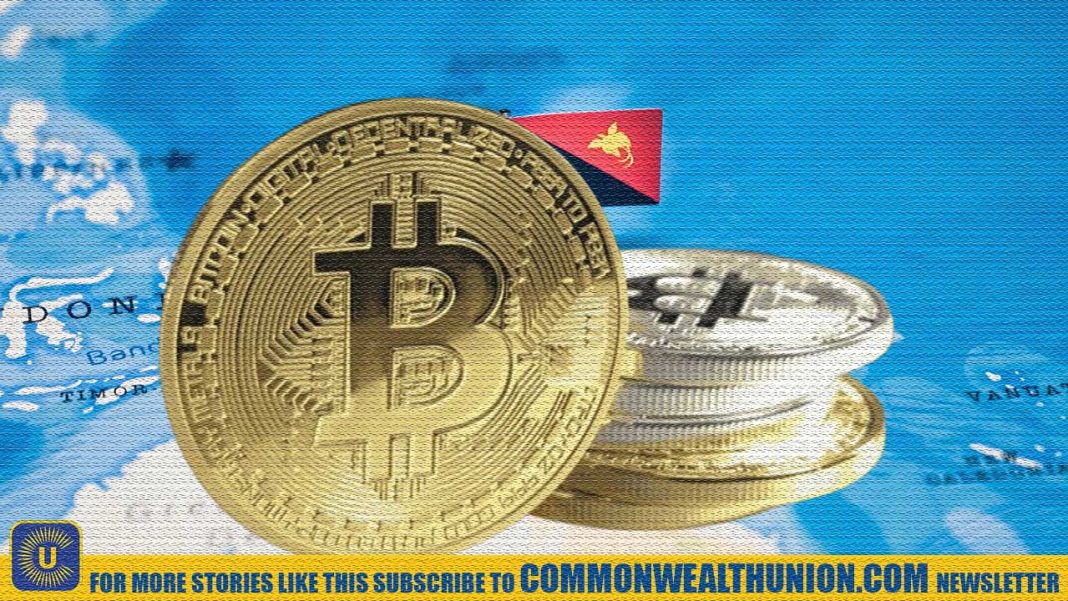

In a country known more for its rainforests and coffee beans than high-tech finance, Papua New Guinea (PNG) is quietly stepping into the world of cryptocurrency.
Earlier this year, the Bank of Papua New Guinea completed trials for a “Digital Kina”, a central bank digital currency (CBDC). The idea is simple: instead of carrying around physical notes and coins, people could one day use digital money directly from their phones, even in places where banking is difficult to access.
When most people hear “crypto,” they think of Bitcoin, millionaires, or complicated technology. But in PNG, the movement is starting on a much more practical level.
Take the rise of crypto cards, for example. These cards let people spend digital money like they would with a normal debit card. Some even work in shops or ATMs. This is a significant development in a country where many individuals lack bank accounts but possess smartphones.
Freelancers, including designers, writers, and coders, are receiving cryptocurrency payments for their online work. One platform, Quasa Connect, helps PNG freelancers work for international clients and get paid in tokens instead of waiting weeks for bank transfers (which often come with high fees).
The Connection Between Jamaica’s Reggae Stars and PNG
Strangely enough, what’s happening in Jamaica is having a cultural effect on places like PNG. In the Caribbean, reggae musicians are selling fan experiences, art, and music with the use of NFTs (a type of crypto-based digital art).
They have sold digital versions of their music or art using cryptocurrency to unlock new streams of income. Organisations such as CryptoRastas digitize reggae legends into collectible digital figures, with fan bases around the globe.
These stories are now reaching PNG through word of mouth and social media and creating interest, especially among young creatives. Could PNG musicians, carvers, or storytellers one day earn in crypto too? It’s not so far-fetched.
Challenges Still Loom
Let’s be clear: crypto is not magic. PNG faces serious challenges. Internet access is still limited in many areas. Power outages are common. And not everyone is comfortable with technology—let alone digital money.
There are also risks. Without appropriate laws or protections, individuals are susceptible to scams or financial losses if they lack knowledge about how to safeguard their cryptocurrency.
What Could Push Crypto Along in PNG?
Some key advances could help progress continue:
- Wider availability of the Digital Kina, if or when it is launched countrywide.
- Crypto-enabled cards work even in low-signal areas or remote villages.
- Education so people can learn how to use digital wallets securely.
- Art, music, and culture online—allowing PNG artists to sell their work to the world with crypto.
Papua New Guinea is not yet perhaps on the global crypto map, but the times are a-changing. Digital resources like crypto can play a surprising and revolutionary role as the country strives to engage more people in the economy, especially in rural areas.
Bringing Finance and Technology Together Across Borders
The Commonwealth Union is at the forefront of redefining international finance’s future by bringing together leaders in the government, finance, and technology sectors. Through its dedicated Crypto and Blockchain Vertical, the Commonwealth Union aims to enhance collaboration across borders and unlock fresh investment opportunities.
In addition to this, the Commonwealth Union plans to launch a digital banking network designed to expand financial services and deepen economic connections throughout the Commonwealth and MENA regions.
If you would like to learn more or express interest in joining ahead of the official launch, please contact us at Info@commonwealthdigitalbankingclub.com