
A powerful storm system swept through São Paulo, Brazil, this week, whipping up destructive winds that left over 1.3 million without power due to a widespread blackout and which forced hundreds of flights to be cancelled at major airports.
The intense weather, which has been associated with an extratropical cyclone, brought winds of as much as about 100 km/h, knocking down hundreds of trees onto electrical infrastructure and cutting power to large parts of the city and its metropolitan area.
The utility provider Enel Brasil said it had restored electricity to about 1.2 million of its 2.2 million affected clients, but it acknowledged that some 300,000 customers remained without power as crews continued repairs. The company has not set a firm timeline for full restoration.
The power cut also disrupted other basic services. Water utility firm Sabesp said that pumps were impeded by the blackout, and supplies were affected in several areas of town as systems tried to struggle without power.
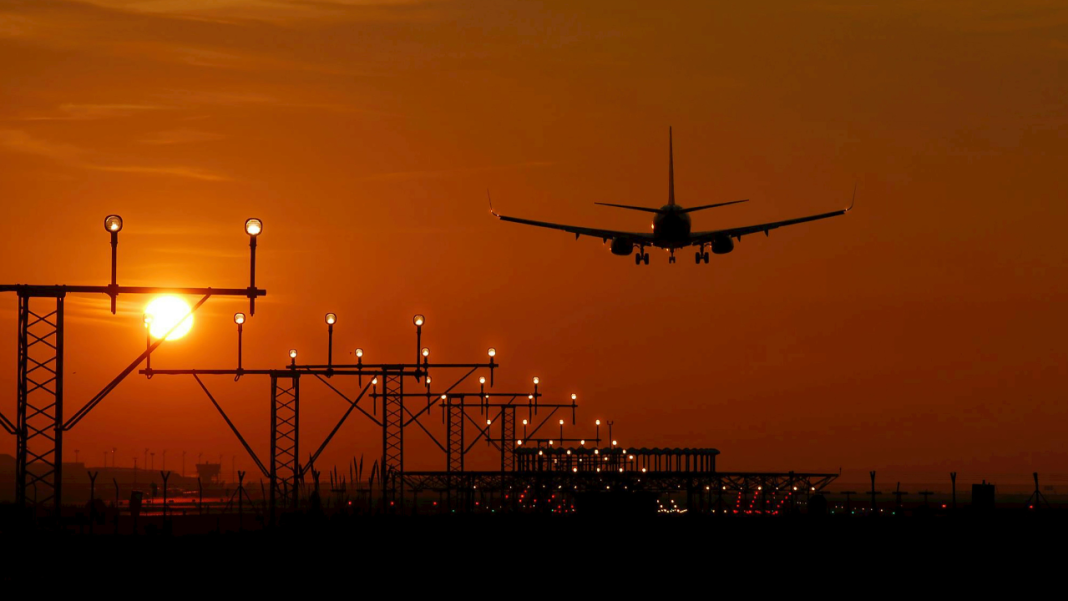
Transport chaos followed the power failures. São Paulo’s domestic airport, Congonhas, saw almost 400 flights cancelled, while Guarulhos International Airport – a major hub for domestic and international travel – experienced widespread disruptions. According to airlines and aviation authorities, such cancellations have had knock-on effects across Brazil’s air network, affecting connections and schedules.
Passengers’ travel plans were disrupted when they were forced to queue in the terminals without adequate information about revised departure times or alternative options. Some of the travellers complained of a long delay in receiving updates, as the airport systems, including flight information displays, were affected by the loss of power.
The blackout has increased scrutiny on the resilience of São Paulo’s infrastructure. For his part, Mayor Ricardo Nunes blamed Enel, accusing it of being unprepared for the incident and having a lax attitude in response. Repeated outages earlier this year are proof, according to him, of systemic weaknesses.
Meanwhile, residents coped with the powerless life by working from cafes and shopping centres that still had electricity or simply staying home in the dark, as local communities expressed frustration with the disruption.