
According to a new scientific study, Africa’s wildlife is only operating at approximately two-thirds of the ecological “power” it previously possessed. The loss of large mammals and other species significantly reduces the energy flowing through the ecosystems. This study, which was conducted at Oxford University’s Environmental Change Institute and published in Nature, was conducted by researchers. It offers a new perspective on the loss of biodiversity by mapping how energy flows among animal populations and how this has changed over centuries of human influence.
The study measures the power of ecological wildlife and the quantity of energy animals use and channel into ecosystem activities such as seed dispersal, nutrient cycling, grazing, pollination and predation, rather than just counting species or recording population decreases. Through the collected data, over 3000 bird and mammal species in 317,000 sub-Saharan African landscapes, scientists were able to measure the amount of energy these creatures actually process and, therefore, the amount of ecological labour they accomplish.
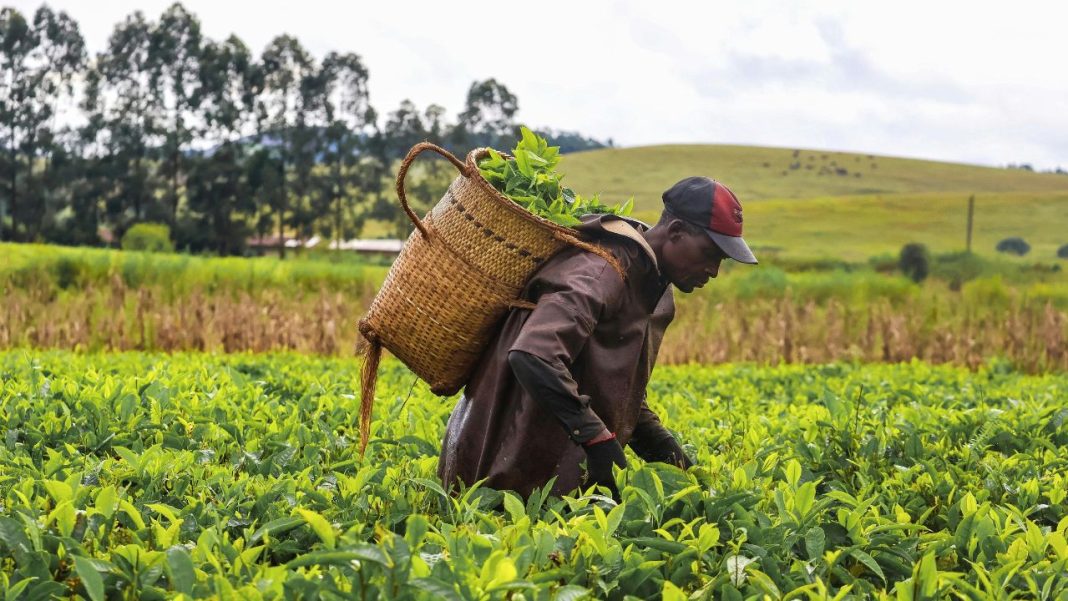
The findings are known to be quite shocking. The overall energy passing through the animals in Africa has decreased by more than one-third when compared to the pre-industrial baseline of the 1700s. The decrease is especially noticeable in areas where agriculture has particularly taken over, where animals’ roles have been reduced by 60%. The fact that well-managed protected areas maintain approximately 90% of their biological functions demonstrates the effectiveness of conservation zones in preserving ecosystem processes.
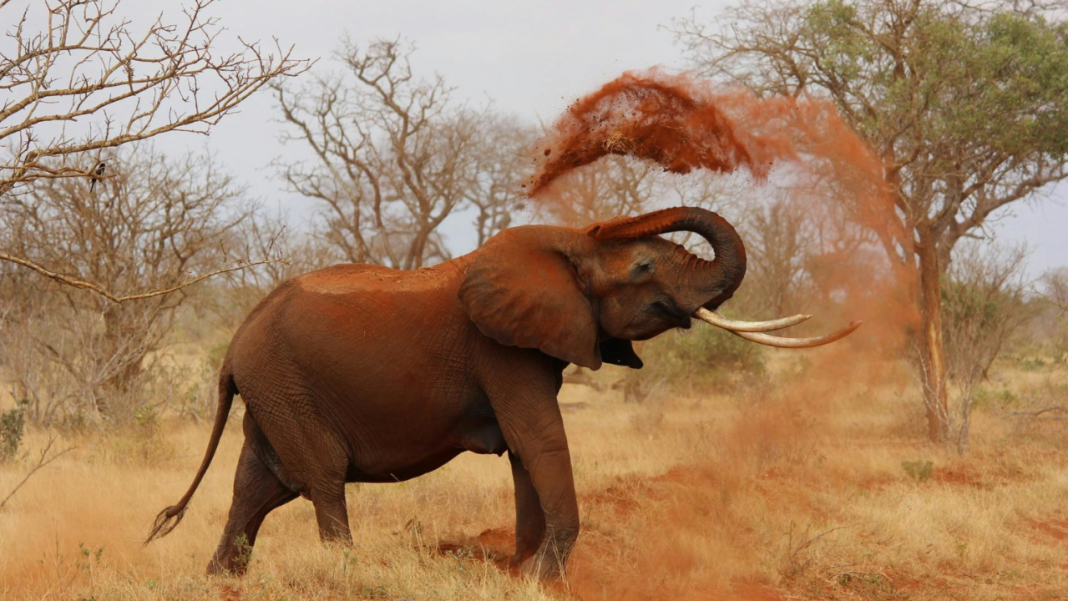
The deaths of Africa’s megafauna, or animals who contain large bodies such as lions, elephants, and rhinos that historically had an uneven impact on landscapes, are a major factor in this collapse. As “ecological engineers”, these creatures have actually scattered seeds over large areas, shaped vegetation through locomotion and feeding, and cycled nutrients through their vast food intake and waste. Due to their decrease or extinction, ecosystems have undergone significant changes that smaller species are unable to fully replace.
Regardless of their small size, however, researchers have identified that small birds and mammals have an unexpectedly significant impact on energy flow. Songbirds, rodents, and other smaller species now make up a greater portion of the remaining ecological energy due to their swift metabolic rates as well as quick food consumption. Nevertheless, when it comes to preserving the resilience and structure of ecosystems, they are incapable of having the same effect as large mammals do.
Experts argue that the energetic approach which was used in this research provides a far more meaningful picture of the health of ecosystems than just the metrics. By converting biodiversity into energy terms, scientists can now evaluate not only how many animals exist but also how efficiently ecosystems are functioning, an essential perspective in an era of rapid species decline. As one of the study’s authors remarked, “Energy flow is the shimmering web that holds ecosystems together.”
The findings also carry serious implications for human well-being. Africa’s ecosystems support millions through services such as crop pollination, soil fertility, water regulation, and climate moderation. When wildlife loses ecological power, these services become vulnerable. Conservationists argue that restoration should prioritise the functional roles animals play, not just their numbers.
The study further guides conservation planning. By identifying which species and ecosystems contribute most to energy flow, policymakers can better target restoration, wildlife reintroductions, and protected area management. This energy-based lens provides an excellent instrument for addressing biodiversity loss.
Despite the alarming results, scientists emphasise that recovery is possible. Well-managed protected areas show that targeted interventions can preserve crucial ecological functions. The researchers hope that adopting energy-focused metrics will encourage nations to invest more deeply in safeguarding functional ecosystems. Ultimately, enhancing ecological power means protecting the natural systems that sustain both wildlife and people across Africa.