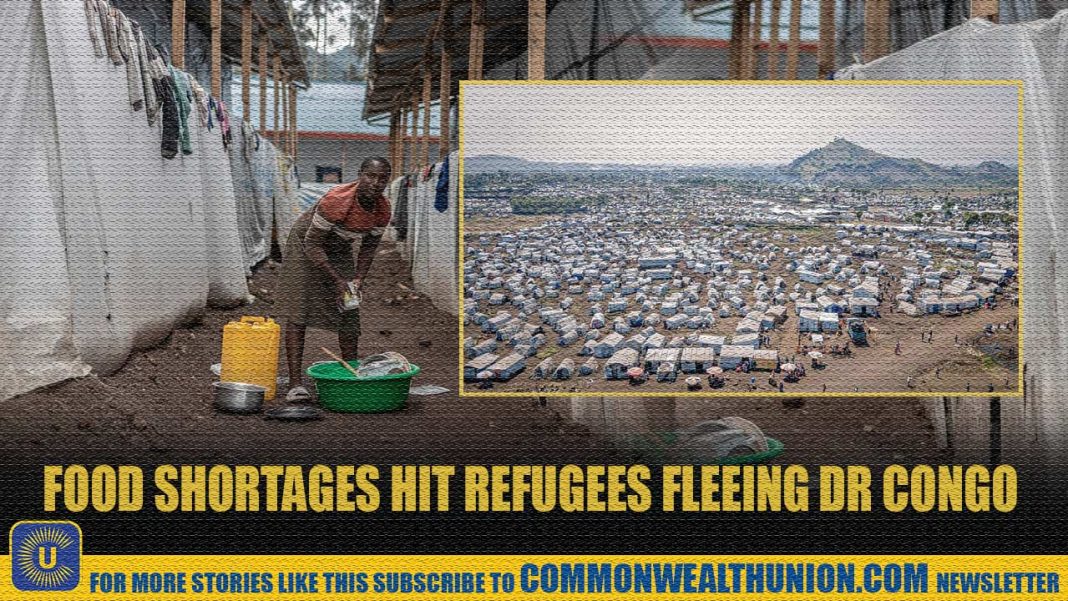
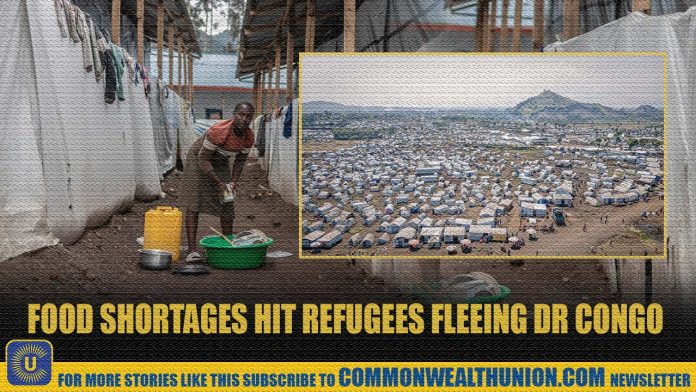

Nearly 90,000 people who have crossed into Burundi from the eastern Democratic Republic of Congo (DRC) are struggling to survive in overcrowded transit sites and camps as violence linked to renewed fighting continues to displace civilians across the region. Aid agencies report that the new arrivals still face severe limitations in accessing food insecurity, clean water, and basic health services.
The latest displacement follows clashes involving the M23 rebels, who recently seized the strategic city of Uvira in South Kivu province near the Burundian border. Although the group has said it withdrew after international pressure, Congolese authorities dispute the extent of the pullout. The fighting has forced hundreds of thousands from their homes, deepening an already fragile humanitarian situation in eastern DRC.
Medical charity Médecins Sans Frontières (MSF) says it has been treating around 200 patients a day since refugees began arriving in Burundi two weeks ago. Its teams have described widespread exhaustion, untreated illness, and women giving birth during flight or shortly after arrival. MSF has warned that cramped living conditions raise the risk of disease outbreaks, including cholera, measles, and malaria, particularly among children and pregnant women.
The UN refugee agency (UNHCR) reports that women and children are disproportionately affected, with some families struggling to survive for days without food. Many refugees arrive malnourished after fleeing areas where services have collapsed. In South Kivu, health centers have reportedly been looted, medicines depleted, and schools closed, leaving communities without essential support.
The World Food Programme (WFP) says the crisis extends beyond those who fled. Host families sheltering displaced people are also facing emergency levels of hunger, straining already scarce resources. Since December, the agency estimates that South Kivu has displaced about half a million people.
WFP has scaled up assistance to reach more than 210,000 vulnerable people affected by the violence. This includes providing hot meals to 71,000 Congolese refugees in Burundi and emergency food support inside DRC. The agency is also assisting smaller numbers who have fled into Rwanda.
However, WFP warns that underfunding threatens ongoing operations. While some food supplies are pre-positioned, the organization says it urgently needs additional funding to maintain aid over the coming months. Without sustained support, agencies caution that the humanitarian crisis in eastern DRC could worsen, affecting both displaced families and the communities hosting them.