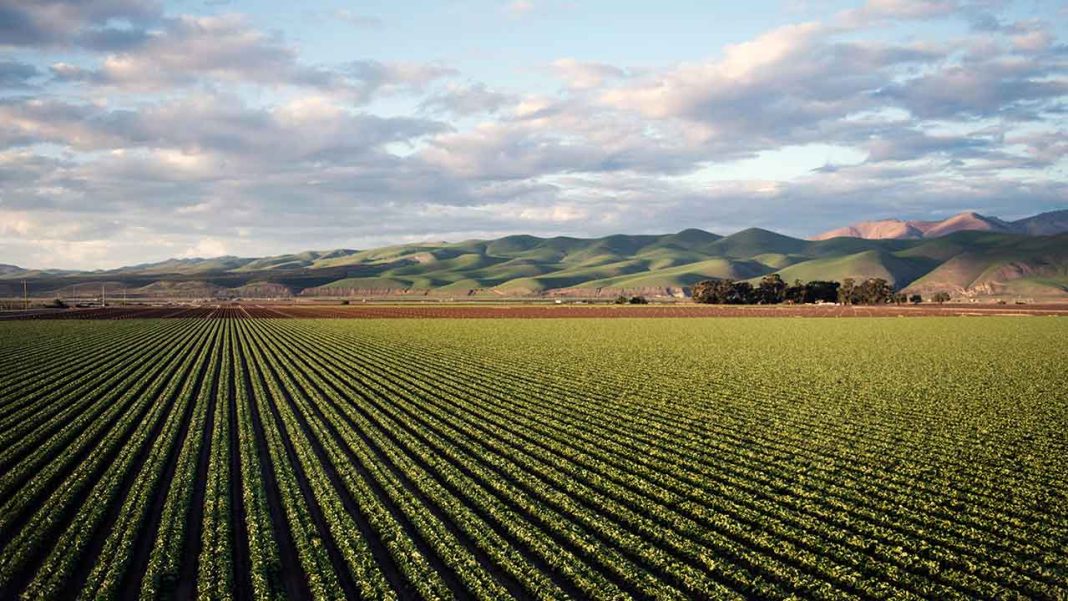

Marking a turning point for food security in the year 2025 in the Cayman Islands, businesses, policymakers and communities increasingly prioritise the sustainability and resilience of the local food system. Characterised by global supply chain disruptions in a year, extreme weather events, as well as rising food prices, the Cayman Islands took significant steps to ensure its population and citizens had consistent access to nutritious as well as affordable food.
Relying heavily on imported foods in its historical past, the Cayman Islands, with local agriculture contributing only a very small amount of the total food consumed, left the country vulnerable to shipping delays, international price shocks, and other disruptions beyond local control. As a counter-reaction, in 2025, the islands witnessed a renewed focus on strengthening local food production, encouraging community involvement in agriculture, and diversifying supply chains.
One of the most significant developments one could see was the expansion of government-supported agricultural initiatives in this year. Many programs that were designed to support local farmers received increased funding, especially for enhancing crop yields, improving market access, and introducing modern farming techniques. The government conducted training workshops throughout the year, equipping farmers with knowledge on sustainable practices, climate-resilient crops, and efficient irrigation systems. The primary goal of these actions was not only to boost production but also to lessen the environmental impact of agricultural practices, thereby aligning with broader sustainability objectives.
As a key force for food security progress in 2025, community engagement also rose to a peak. School-based agriculture programmes, urban gardening projects, and community-supported agriculture (CSA) schemes gained momentum, bringing fresh, locally grown produce to more households. These measures acted as a bridge between consumers and producers by deepening the understanding of local food systems and encouraging healthier diets. They also created opportunities for knowledge-sharing and collaboration, as citizens learnt practical skills in gardening, preservation, and food preparation.
By advancing food security, the private sector played a complementary role. Local businesses invested in farm-to-table ventures, cold storage facilities, and distribution networks to reduce reliance on imports while maintaining affordability and quality. These investments strengthened local production, created jobs, and stimulated economic activity. Grocery stores, restaurants, and markets increasingly sourced ingredients locally, encouraging farmers to expand and diversify crops.
In 2025, the government also strengthened policy structures to support food security goals. The government implemented well-thought-out plans, which were mainly aimed at increasing self-sufficiency, improving the standards in food safety, and establishing emergency reserves to soften the impact of potential supply chain disruptions. Coordination between ministries that are responsible for agriculture, trade, and health ensured that policies aligned by facilitating a more unified and effective approach to food security.
In 2025, climate risks became a vital topic for the Cayman Islands due to erratic rainfall, rising temperatures, and storm risks. Farmers and policymakers highlighted adaptive techniques, such as drought-tolerant crops, investments in irrigation infrastructure, and soil conservation, all of which could ensure productivity and food availability.
The year demonstrated the importance of a comprehensive strategy that includes business sector involvement, local production, community engagement, and climate adaptation. Resilience, creativity, and teamwork provided a model for sustainable agricultural growth.
In conclusion, in 2025, food security emerged as a national concern. The government, industry, and communities have shown a commitment to creating a robust food system that can weather both local and global challenges.
While all the work still remains, the progress made this year lays a strong foundation for ensuring safe, nutritious, and affordable food for all residents.
Looking ahead, continued collaboration, innovation, and investment will be crucial to strengthening the Cayman Islands’ food system, ensuring long-term resilience, sustainability, and reliable access for all residents.