

The 2026 Diplomatic Forum held in the Gulf State of Bahrain saw many diplomats, scholars, and officials from the Gulf Region come together to discuss the reality of having a small Gulf State represented on the world’s most significant security forum—the United Nations Security Council. At this year’s forum, which was organized by Bahrain’s Ministry of Foreign Affairs and attended by senior members of the Government of Bahrain, participants engaged in discussions of what it means to be a member of the UN Security Council starting in 2026 and continuing through to 2027. Participants used this year’s forum as a rehearsal for the challenges of diplomatic engagement on a global scale.
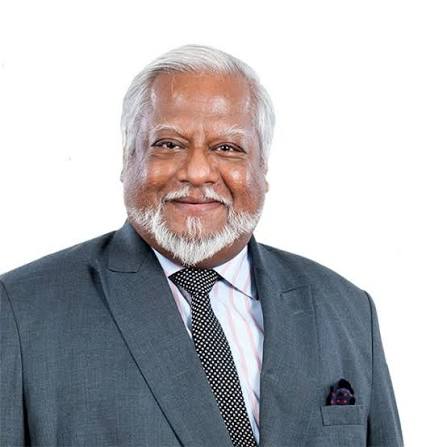
Foreign Minister Dr. Abdullatif bin Rashid Al Zayani framed Bahrain’s membership on the UN Security Council in 2026-27 to represent messages of “peace, coexistence, solidarity, and shared prosperity.” Minister Al Zayani stated that Manama (the capital of Bahrain) plans to use this opportunity to advocate for multilateral solutions to various global challenges ranging from humanitarian access to terrorism countermeasures, and most importantly, climate resilience. Minister Al Zayani noted that this event provided Bahrain with an opportunity to advocate for the perspectives of both the Arab world and the Organization of Islamic Cooperation, as well as to promote inclusive engagement in security discussions that highlight the importance of women and youth.
The forum emphasized Bahrain’s unique geopolitical situation, demonstrating how Manama has elevated Bahrain’s profile above its geographical boundaries as a nation-state. While Bahrain is smaller than most GCC member states, Bahrain currently serves as the president of the GCC and is home to the CMF, a critical coalition that protects one of the most frequented maritime energy transportation routes in the world, as a participant in the growing defense business working collaboratively with multiple states in the Gulf Region.
The forum’s speakers recognized that Bahrain’s position on the Security Council will be challenged by practical tests, such as crises in the Levant or Red Sea, ongoing humanitarian needs in Gaza, and the need for a rapid response to emerging technologies such as AI. Bahrain has been vocal in promoting the need for international governance in this area. _Forum panels indicated the Kingdom of Bahrain’s intention to pursue a more impactful and responsive Security Council for dealing with the cross-border threats while ensuring compliance with international law and state sovereignty.
Bahrain’s recent moves to normalize relations with Israel through the Abraham Accords and normalize its relationship with Israel under the Abraham Accords have changed the nature of regional alignments in the Middle East and created new challenges for Manama in carrying out its role as a member of the UN Security Council.
The Diplomatic Forum was held recently in Manama and began Bahrain’s two years on the UN Security Council with expectations of greater regional influence and solid support by most members of the UN General Assembly for its work towards achieving humanitarian access, improving maritime security, and implementing multilateral reforms. It will be fascinating to see how Bahrain uses its position as a small, compact member state of the Gulf Cooperation Council (GCC) to assist in guiding the UN Security Council to more collaborative and effective results.