
The Food and Agriculture Organization (FAO) of the United Nations has made a $16.5 million emergency appeal to help Sri Lanka recover after Cyclone Ditwah, which caused huge damage to agriculture, livestock, and fishing communities across the island. The appeal, which is $16.5 million, would be of great help to the country after the cyclone’s tragic incident.
Thousands of rural families in Sri Lanka are struggling to reestablish their means of subsistence after the storm that hit the country in late 2025 and affected all 25 districts. Strong winds, flooding, and infrastructure damage affected almost 2.2 million people, with farmland and coastal areas suffering the most, according to FAO estimates.
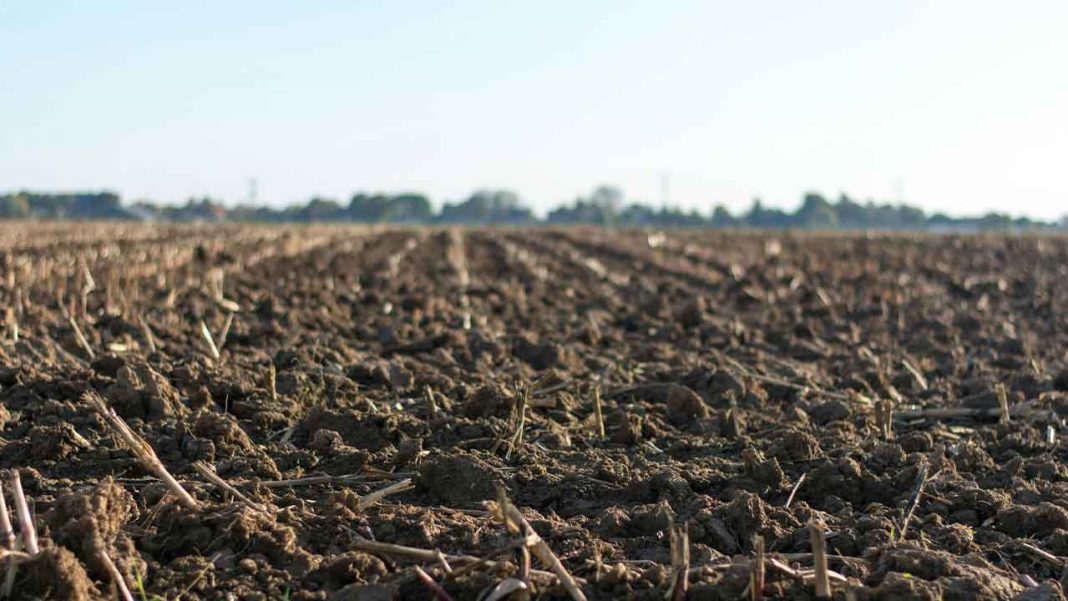
Cyclone Ditwah hit during the critical Maha cultivation season, the country’s main planting period. Heavy rains and flooding damaged over 129,000 hectares of farmland, destroyed crops, and disrupted irrigation systems. As a result, many farmers were unable to plant or harvest on time, raising concerns about reduced food production and rising food insecurity in the months ahead.
The FAO has warned that without urgent support, many families could miss an entire growing season. This would not only affect household incomes but could also place additional pressure on national food supplies at a time when many Sri Lankans are already facing economic hardship.
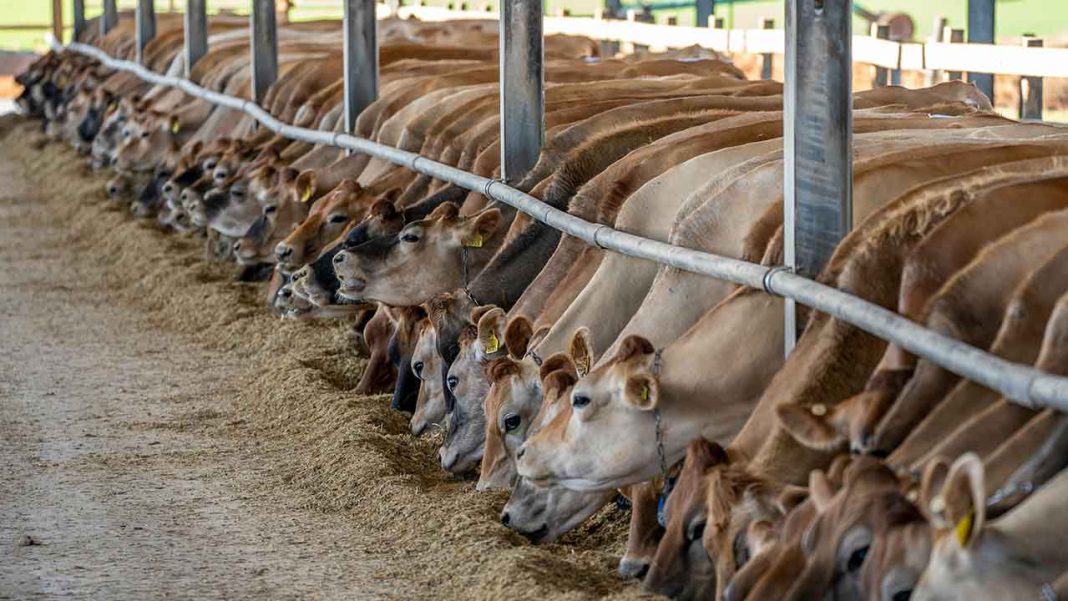
The cyclone’s impact extended beyond crops. Among the thousands of animals that died were cattle, buffaloes, goats, lambs, and poultry, all of which are the primary sources of food and income for rural people. The fishing sector suffered because of the destruction or serious damage to coastal facilities, boats, and nets.
The livelihoods of fishing communities in numerous coastal areas are at risk due to predicted losses in fisheries and aquaculture of between $66 million and $69 million.
The FAO’s appeal aims to support around 256,000 households, reaching more than one million people across some of the worst-affected provinces, including the Central, Eastern, Northern, North Central, Northwestern, Uva, and Western regions.
FAO officials say they will use the funds to assist people in quickly restarting food production and rebuilding their livelihoods. Planned support includes the distribution of seeds, fertilizers, farming tools, and equipment to help farmers resume cultivation. The FAO will also be providing veterinary services, vaccines, and animal feed to protect surviving livestock and support poultry farming’s recovery.
For fishing communities, assistance will focus on repairing or replacing boats and fishing gear, allowing families to return to work and restore income sources. In addition, cash-based support, including cash-for-work programs, will be offered to help families meet immediate needs while also contributing to land clearing, repairs, and rehabilitation efforts.
FAO Representative for Sri Lanka and the Maldives, Vimlendra Sharan, said early action is essential to prevent longer-term damage. He stressed that helping farmers and fishers recover now will reduce the need for prolonged food aid in the future and support national recovery efforts.
The FAO is working closely with the Government of Sri Lanka, relevant ministries, and humanitarian partners such as the World Food Program, under the country’s Humanitarian Priorities Plan. However, the organization has also stated that only limited funding has been received so far, leaving a very prominent gap that can be seen.
As disasters that are related to the climate become more frequent, the FAO says timely support is essential to protect food systems as well as vulnerable communities. The $16.5 million appeal, it says, is an important step toward helping Sri Lanka recover from Cyclone Ditwah and strengthening resilience against future shocks. With the urgent support, Sri Lankan farmers and fishers can even rebuild their lives, restore food supplies, and protect future livelihoods.