
On a crowded street in the heart of Accra, brightly colored smocks hang in neat rows outside a small shop. The loose garments, known in Ghana as fugu or batakari, are made from handwoven strips of cotton sewn together. Trader Clement Azaabire has been selling these traditional outfits, strongly associated with northern Ghana, for about 15 years. Recently, he has seen a sharp rise in demand.
The growing popularity started earlier this month when Ghana’s president, John Dramani Mahama, wore a fugu outfit during a visit to Zambia. Some people on social media mocked his clothing choice. However, many Ghanaians quickly defended the president and the traditional garment, saying it represents their cultural identity. In response to the debate, Tourism Minister Abla Dzifa Gomashie announced that every Wednesday would be observed as “Fugu Day.”
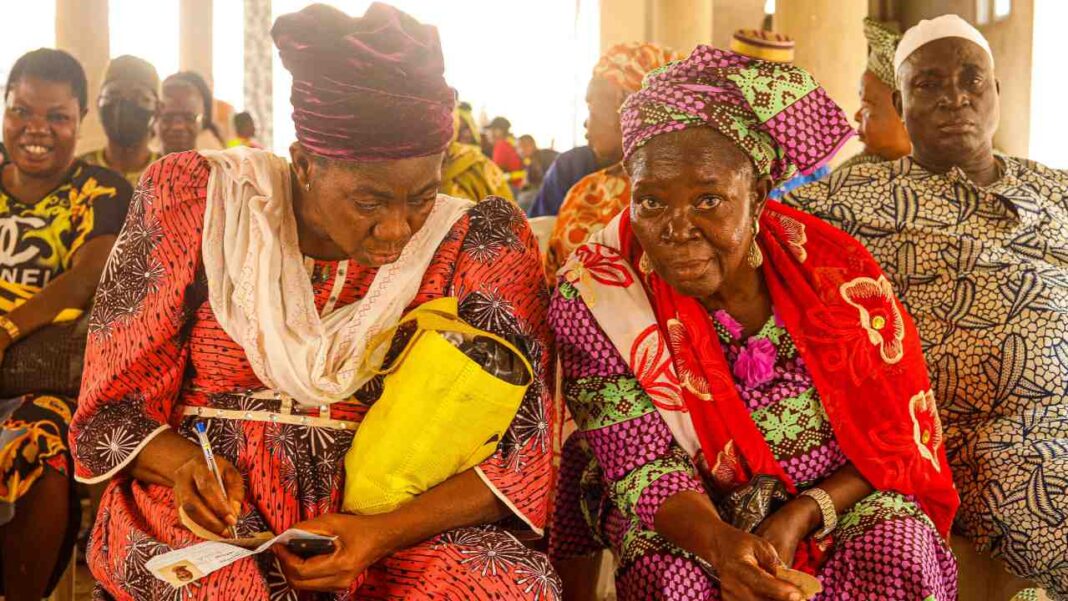
Since the declaration on February 10, more people have begun wearing the smock to offices, schools, and public events on Wednesdays. Others now wear it throughout the week as well. Traders say their sales have increased, with some shops selling out faster than usual. Businessman Wango Abdul Karim says wearing the smock makes him proud of his background. He now chooses to wear it to work every Wednesday as a way of celebrating his heritage.
The fugu smock is traditionally woven in northern Ghana using narrow looms. The patterns and the number of stitched lines can show different regions and styles. Each design has its meaning and history. People can often tell where a smock comes from by looking at its details. For many generations, parents have passed down the craft to their children.
Skilled artisans teach the younger ones how to weave and sew the fabric. Because of this, the smock remains an important part of local identity and tradition. The outfit became nationally important in 1957. That was when Kwame Nkrumah, Ghana’s first president, wore it during the country’s independence ceremony. His choice made the smock a strong national symbol.
Today, people wear the smock at festivals and state events. Modern fashion shows and public gatherings also feature it. Designers are finding new ways to style it while keeping its traditional look. For many Ghanaians, the smock is more than just clothing. It represents unity, culture, and national pride. It reminds people of their history and their shared identity as a nation.