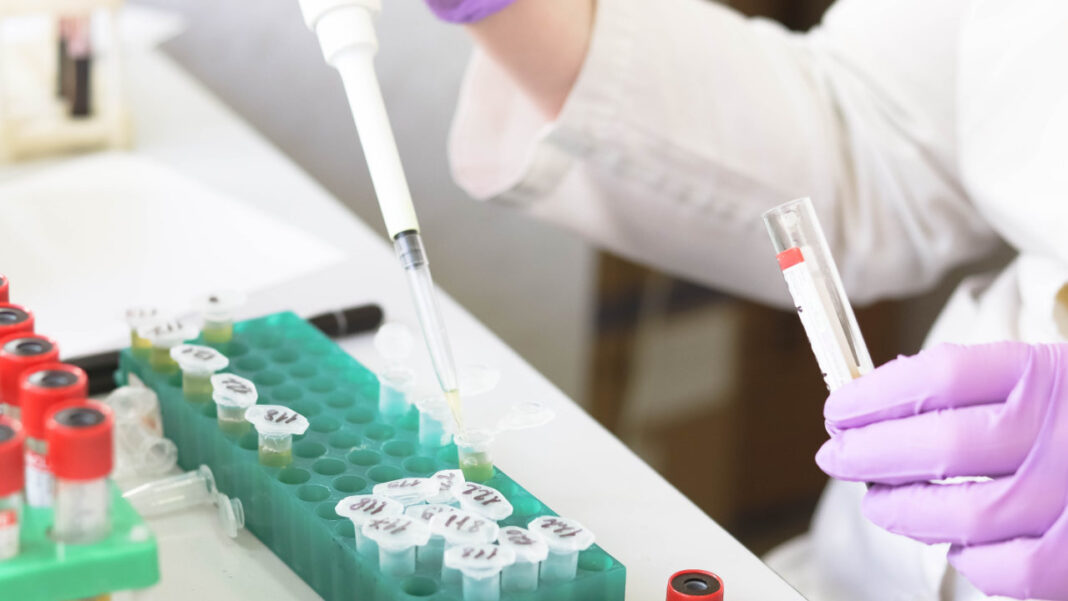

Healthcare (Commonwealth Union) – Bowel cancer is one of the most common types of cancer across the world. A recent study has revealed that samples collected through bowel cancer screening programmes could also play a valuable role in research into a wide range of serious health conditions.
Each year, around 500,000 samples are gathered from people aged over 50 in Scotland through a highly effective National Health Service (NHS) screening initiative that helps identify bowel cancer at an earlier stage.
However, only a small portion of the stool sample, which is combined with a liquid solution, is required to check for hidden traces of blood, leaving the majority of the material unused and thrown away.
Researchers from the Rowett Institute at the University of Aberdeen have now shown that this discarded material could instead be analysed through DNA testing. They say this could provide “unparalleled statistical power” to investigate connections between gut microbiota and some of the leading causes of ill health, including cardiovascular disease, chronic inflammatory conditions, and diabetes.
Researchers of the study indicated that the approach could also provide vital insights into how the gut microbiome changes during cancer progression and how it influences responses to treatment. Over time, it may support clinical trials exploring ways to modify gut microbiota to enhance outcomes for patients with these conditions.
The researchers suggest that being able to accurately analyse gut microbiota composition from leftover qFIT samples could enable large-scale, affordable population studies. Their findings were published in the journal Microbial Genomics.
“Given the challenges of collecting, storing, processing and comprehensively assessing the gut microbiota using larger volume/whole stool samples…the utility of such an acceptable, easy to use, reliable and reproducible method of sampling which already has widespread clinical use cannot be understated.”
The study involved collaboration between the NHS Grampian Biorepository, the Universities of Glasgow and Edinburgh, and Biomathematics & Statistics Scotland, with financial support provided by NHS Grampian Charity.
Researchers believe this is the first investigation to explore the research potential of samples collected through the specific qFIT system used in Scotland. The same technology is also employed in Ireland, Wales, Japan, and Taiwan, as well as by some NHS trusts in England for testing patients with symptoms.
During laboratory experiments involving stool samples from volunteers collected using qFIT probes, the team discovered that the samples remained stable for up to 14 days and closely matched the results obtained from larger stool samples used as controls.
Professor Anne Kiltie, Friends of ANCHOR Clinical Chair in Oncology at the Rowett Institute, indicated that they are delighted that such a small quantity of stool — just 2 mg contained within the qFIT cassettes — can provide such valuable and dependable insights into the bacteria living in the gut.
She further pointed out that at present they wish to conduct much wider studies in common diseases with larger impacts on the lives of people. Professor Kiltie also indicated that they are required to interact with patient and public partners and relevant agencies to form the studies and then obtain substantial grant funding to carry out the work.
Prof Chris Halsey, Head of the School of Cancer Sciences at the University of Glasgow, indicated that this pioneering study permits them to unlock greater potential from bowel screening tests, using them not only for cancer detection but also to gain deeper insights into how gut bacteria may influence a broad range of health issues affecting people across Scotland.
Lisa Duthie, NHS Grampian Charity Lead, pointed out that the research represents a very positive development for individuals living with chronic health conditions and creative approaches, such as finding additional uses for bowel cancer screening samples, are vital for advancing the development of future diagnostic methods and treatments.