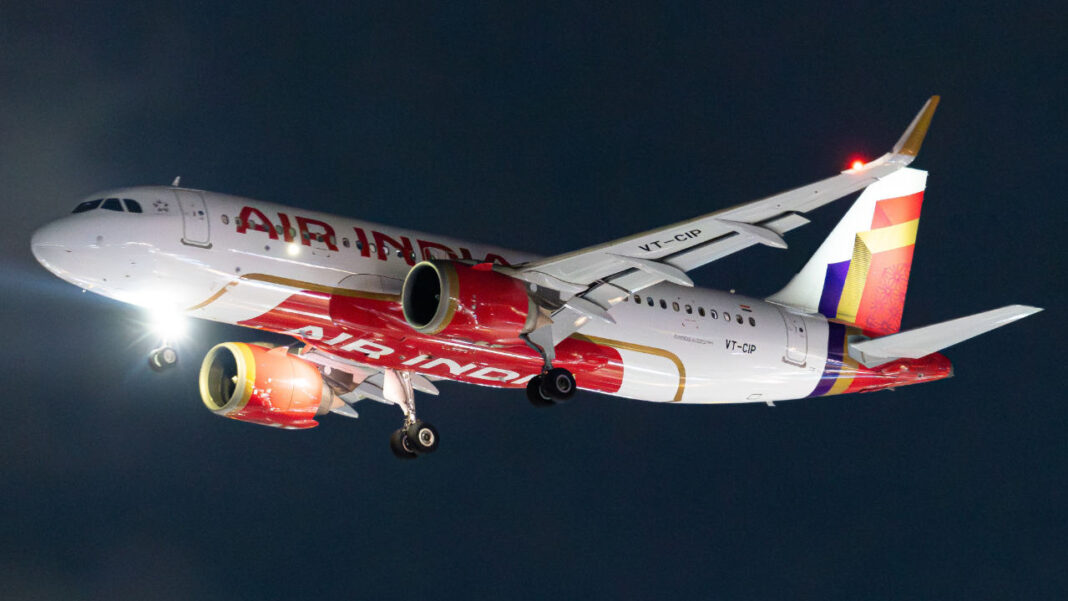
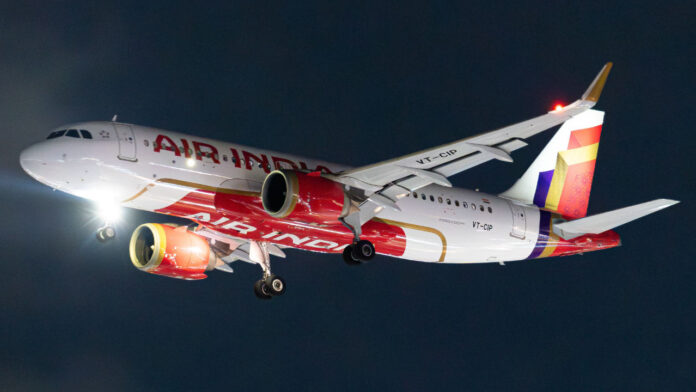

New Delhi, July 26, 2026 — In the aviation space, the smallest part can create the biggest implementation impact. Currently, Air India is beginning the process of modifying its Boeing 787 Dreamliner fleet in phases, following a safety order issued by the U.S. Federal Aviation Administration that identified a potential safety issue with the door-assist handle. The story, published by The Economic Times at 4:55 PM IST on July 26, 2026, comes when Air India is modifying its assets as per the mandate without disturbing its flight operations.
The FAA’s action, dated July 1, 2026, pertains to certain Boeing 787-8, 787-9, and 787-10 models. July 1, 2026, pertains to some of the Boeing 787-8, 787-9 and 787-10. The regulator claims that door assist handles were found to be disconnected from their mounting positions in the process of carrying out a pre-flight check. Apparently, the device meant to assist with door management in fact turns into a breacher of safety. The reports have claimed that the malfunctioning handle is capable of causing injury either to passengers or crew members or people involved in maintenance operations, and further, in case of emergency, it would cause delays to the procedure of evacuation of passengers if it failed to work as designed.
As per the sources acquainted with the situation, Air India has completed the work on certain old Dreamliner aircraft, while the rest of them are being done in parts. The airline is exercising caution, and it has not made any changes that could impact flights or passenger safety. The phased rollout is important as it allows airlines to utilise the aeroplanes while ensuring compliance with the stringent guidelines of regulatory authorities.
The Federal Aviation Administration has instructed the affected operators to install new design features on the combined assembly of the ground supports and, depending on the type of plane, to inspect the door actuators, implement corrective measures if necessary, and place identifying labels or markings on certain parts of the construction. This process is not just a superficial improvement of the existing models; these actions imply making modifications that reduce the chances of mechanical failures resulting in emergencies on board.
The exposure of Air India is considerable. The airline presently has in its fleet 35 Boeing 787 Dreamliners, 26 of which are Boeing 787-8s and 9 are Boeing 787-9s. Out of the 787-9 variants, three Dreamliners were purchased by Air India, and six have come to the carrier’s fleet only after the acquisition of Vistara. It remains unclear how many of those Dreamliners are included in the FAA directive, but the airline is definitely aware of the guidelines and is making the necessary changes. Air India and Boeing have not commented on the programme at the time of writing.
The more significant aspect of this story is not only about a particular aircraft family or a specific airline. It consists of the general scheme for the functioning of aviation safety worldwide. After receiving a report from the inspection service and a directive from the regulatory agency, an airline company with a global presence was able to take the necessary action. We cannot forget how significant reliability is within the aviation sector: sometimes, even a door handle can remind us that ensuring safety requires paying attention to all components in the systems.