
Many African countries have been caught in an economic paradox for decades: exporting crude oil and other raw commodities, but spending billions of dollars in foreign exchange on imported refined petroleum products. In a BBC feature, “The African project that could change a continent”, industrial projects associated with Africa’s pre-eminent industrialist, Aliko Dangote, and their potential to reduce this dependency and bolster the continent’s manufacturing base are highlighted.
Breaking Decades of Reliance on Fuel Imports
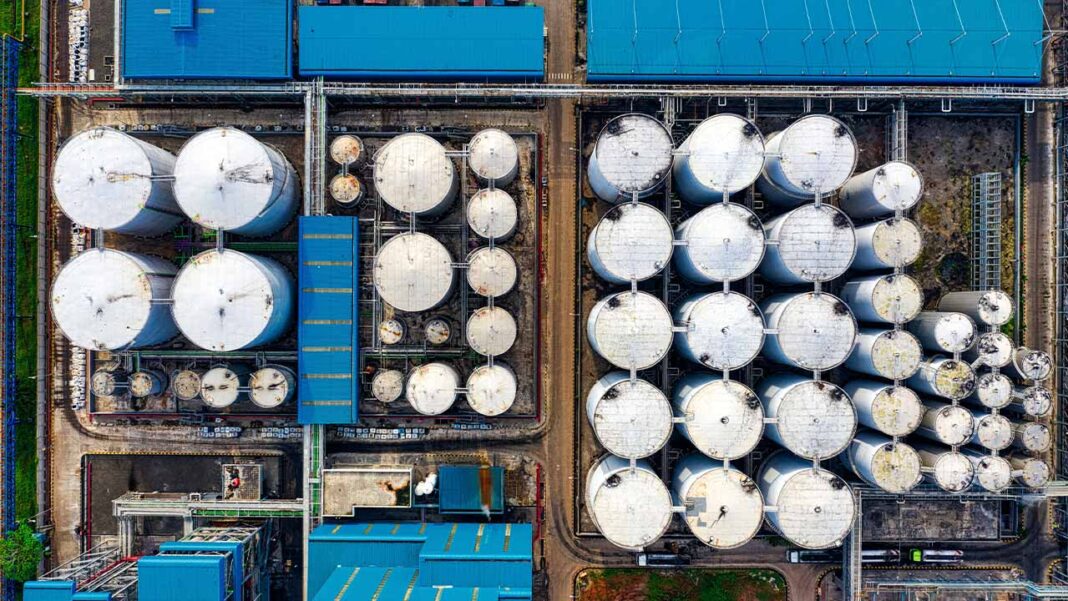
This change is centred around the historic Dangote Petroleum Refinery, located in the Lekki Free Zone of Lagos, Nigeria. The refinery, which cost about $20 billion to build, was built with a nameplate capacity of 650,000 barrels per day and was meant to significantly reduce Nigeria’s dependence on imports of refined petroleum products.
For decades, Nigeria has struggled with fuel shortages, distribution bottlenecks and the financial burden of petroleum subsidies. The setting up of large-scale domestic refining capacity is an effort to address some of these structural weaknesses by refining crude oil nearer to the markets where the refined products are consumed.
Its refinery produces petrol, diesel and aviation fuel, and its wider petrochemical operations include polypropylene. Nigeria could retain more of the economic value created across the petroleum value chain by increasing its domestic refining capacity and creating opportunities for regional exports.
Regional Ambitions and Going Global
Dangote’s industrial ambitions extend beyond Nigeria. The larger strategy is part of an interest in developing large-scale energy and industrial infrastructure to serve regional markets. Another major refinery project is reportedly coming up in Kenya, with a potential site for a large-scale facility identified in Lamu.
Such investments could promote regional integration by expanding access to refined petroleum products across African markets. More refining capacity in the region could also mean less dependence on imported finished fuel products and perhaps a lower foreign-exchange requirement for their import.
These developments can be seen in the wider context of the African Continental Free Trade Area (AfCFTA), which seeks to increase intra-African trade and strengthen regional value chains. The success of such integration, however, will depend not only on refining capacity but also on infrastructure, trade policies, financing, logistics and political cooperation between countries.
The Continental Model Industrialised
The Dangote project is a prime example of how large-scale private-sector investment can help to industrialise an emerging economy. Moving away from exporting raw commodities to refining, manufacturing and other forms of value addition can enable countries to keep more of the economic value at home.
Large industrial projects can also create demand for engineers, technicians, logistics providers, construction companies and other specialised services. As these activities intertwine over time, they can give rise to wider industrial ecosystems.
This trend is especially important given the growing population and urban economies in Africa. The growing need for energy, transport and manufactured products represents both a challenge and an opportunity for African economies.
The real question is not whether Africa is endowed with vast natural resources, but whether African countries can increasingly transform those resources into higher-value products on the continent.
Dangote’s industrial projects are one effort to respond to that question. If similar investments are replicated across sectors and countries, Africa could gradually shift from being primarily a supplier of raw materials to a more integrated producer, manufacturer and exporter of value-added goods.
However, the long-term success of this transformation will depend on more than mega-projects on their own. This will require strong infrastructure, skilled labour, competitive financing, effective institutions and deeper regional economic integration. Combined, these could build a stronger foundation for Africa’s industrialisation and long-term economic development.