
In September this year, it was evident to one that South Africa’s private-sector economy had weakened. With activity declining at its fastest rate since December, businesses faced softer and lower demand, higher fuel costs and difficulties in supply chains that are growing.
The S&P Global South Africa Purchasing Managers’ Index (PMI) fell to 49.0 in September from 50.5, which was the number in August. A reading below 50 indicates contraction, reversing the modest expansion recorded during the previous two months. The latest results indicate that companies across the private sector are facing renewed challenges.
One of the biggest concerns was the sharp deterioration that was taking place in new business. New orders fell at their fastest pace in around two and a half years. And that suggests that customers are becoming more and more cautious about spending. Businesses also reduced purchasing activity and inventories in response to weaker demand.
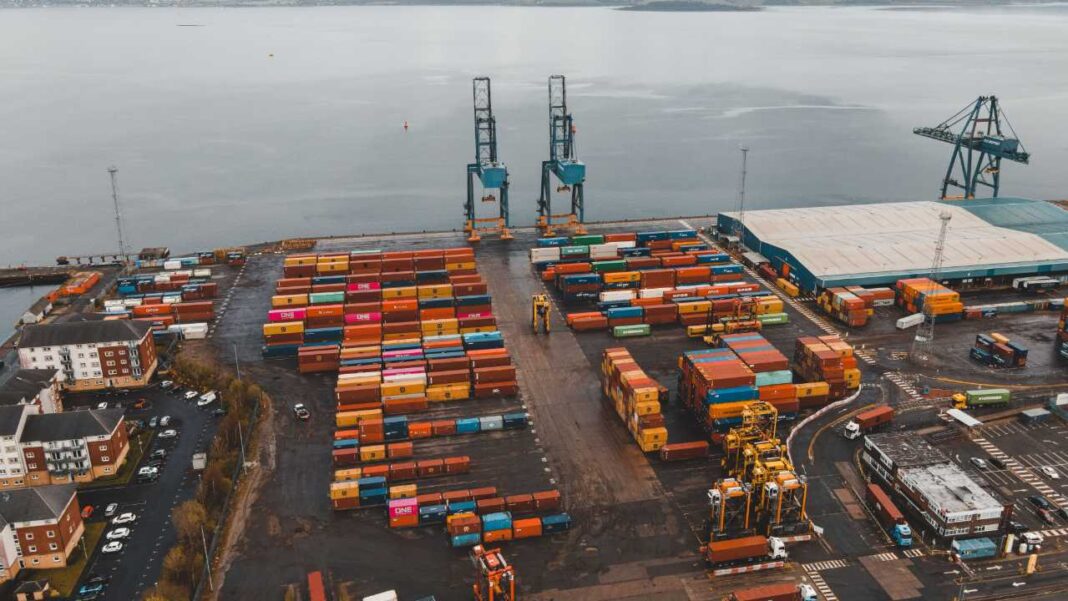
Supply problems also contributed to the added pressure. Delivery times deteriorated to their weakest level since February of two years ago (2024). Congestion at the Port of Durban, international shipping problems, and material shortages caused disruptions, according to companies.
The rising expenses of fuel were also another massive concern. Higher fuel prices ended up contributing to increased input costs, while companies raised their prices at the fastest pace since June as they attempted to protect profit margins. This could add more pressure to consumers who are already dealing with increased living costs.
The figures come as South Africa continues to experience subdued economic growth. The South African Reserve Bank said the economy contracted by 0.2% during the second quarter and reduced its 2026 growth forecast to 1.2%. The central bank also raised its policy interest rate by 25 basis points to 7.25% amid renewed inflation concerns.
Even though there was a downturn in September, business confidence about the year ahead improved for a third consecutive month. Companies remain hopeful that better supply conditions and easing fuel costs could support a recovery.
The latest PMI therefore reflects an economy under pressure, but with businesses still maintaining some optimism about improved conditions in the months ahead.