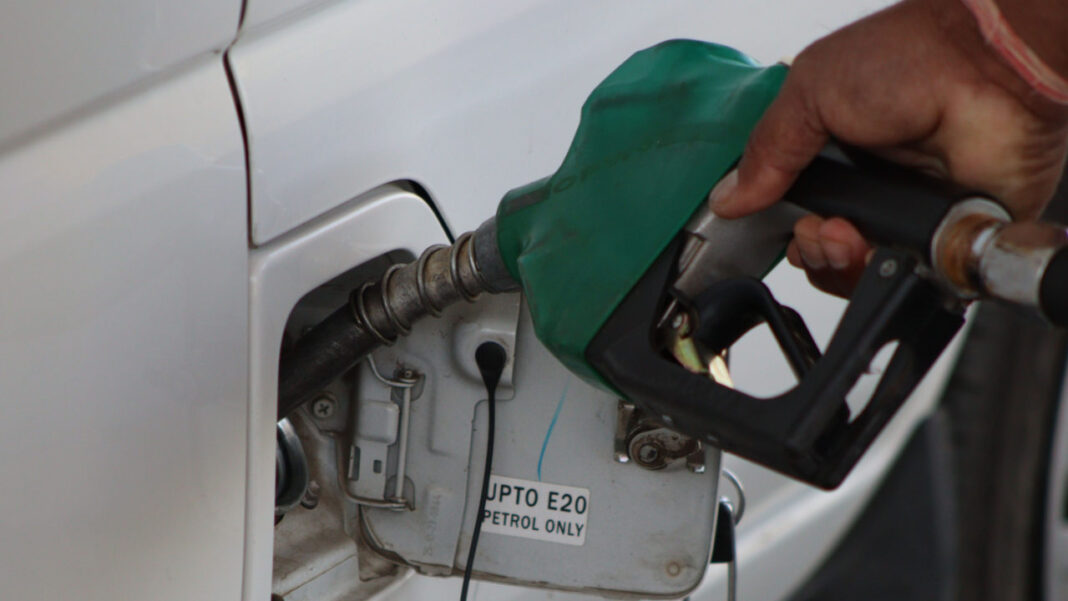

Nairobi, Kenya, October 16, 2026 — There’s a fresh crisis brewing in the Middle East, and people in Kenya already feel the tension. Nothing new, really. The news may fade, but the impact is felt immediately and intensely. Suddenly, fuel prices jump, and frustration follows. You can hear it everywhere: in crowded matatus, at the corner shop, and out on the street. Families trim their expenses, stretching every shilling as far as it’ll go.
Looking at this month’s price caps, it’s tough to find any relief. The government’s latest limits kicked in October 15 and will last until November 14. EPRA, the country’s energy watchdog, spelled out the new costs in plain numbers. If you’re filling up in Nairobi, it’s about $1.75 a liter, whether you’re buying super petrol or diesel. Kerosene’s nearly the same at $1.69. All of it rides on the dollar’s strength—right now, it’s pegged at KSh129.85. Even minor fluctuations in the global oil market have a significant and immediate impact on Kenya.
There’s no let-up. Petrol’s gone up by 10 cents a liter, diesel by 8, and kerosene shot up a whopping 22 cents. That’s almost a 6% rise for petrol, over 4% for diesel, and 15% for kerosene. Those bumps aren’t just numbers on a spreadsheet—they bite, especially for families relying on kerosene for cooking and lighting. The “fuel price problem” starts looking less like an inconvenience and more like a crisis, with everyday costs spinning out of control.
Dig a little deeper, and it gets even bleaker. EPRA reports that the cost of importing fuel continues to rise, with super petrol now priced at $978 per cubic meter, up from $874 last month. Diesel jumped to more than $1,065 per cubic meter, an 11% hike. These aren’t abstract changes. Every increase pushes up costs for transport, farming, medicine, and industry. Diesel really makes the wheels turn—it powers trucks, tractors, and generators in hospitals and factories. When diesel prices surge, so does the cost of onions, prescriptions, and pretty much everything else.
There’s one small break, but you shouldn’t get too comfortable. VAT on fuel will stick at 8% until mid-January 2027, instead of doubling to 16%. While it provides a slight reprieve, akin to a momentary pause, it fails to counterbalance the unyielding pressure from global price increases. Kenyans are left waiting, powerless, as decisions made thousands of kilometers away ripple through their lives, with world markets on edge and conflict simmering.
This latest price surge stings. This serves as further evidence that global events inevitably impact Kenya. Costs climb, wallets shrink, and life gets harder. You hear people say they feel chained to global markets, hoping for some sign things’ll get better before the next price review. That’s the hope — a price dip, a quiet spell, or just a break from the grind. The uncertainty lingers, and everyone’s left wondering: what’s coming next month?