
By Savithri Rodrigo
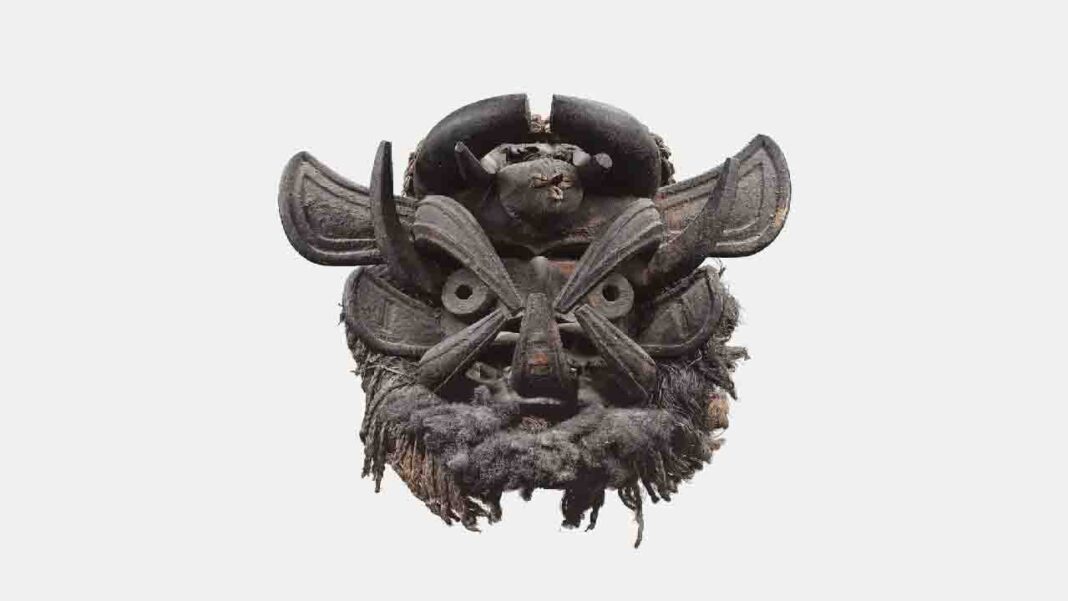
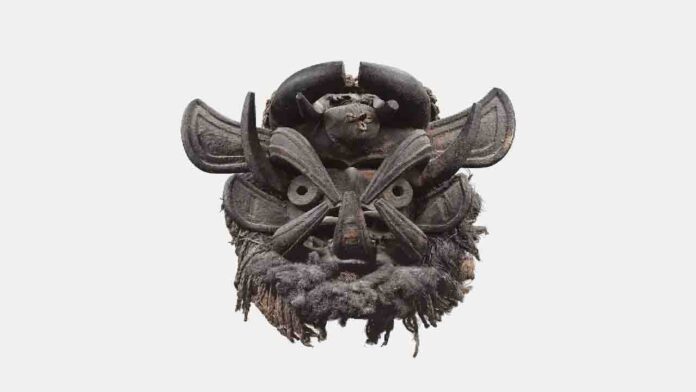
African Continent (Commonwealth Union)_The Art Institute of Chicago is currently exhibiting probably one of the rarest collective showings in history of over 250 works of African art with origins from over a dozen distinct regions across the African continent. Titled ‘The Language of Beauty in African Art’, the exhibition, which continues until the end of February, focuses on local indigenous perspectives, juxtaposing beauty and ugliness, speaking volumes of the artists and their communities.
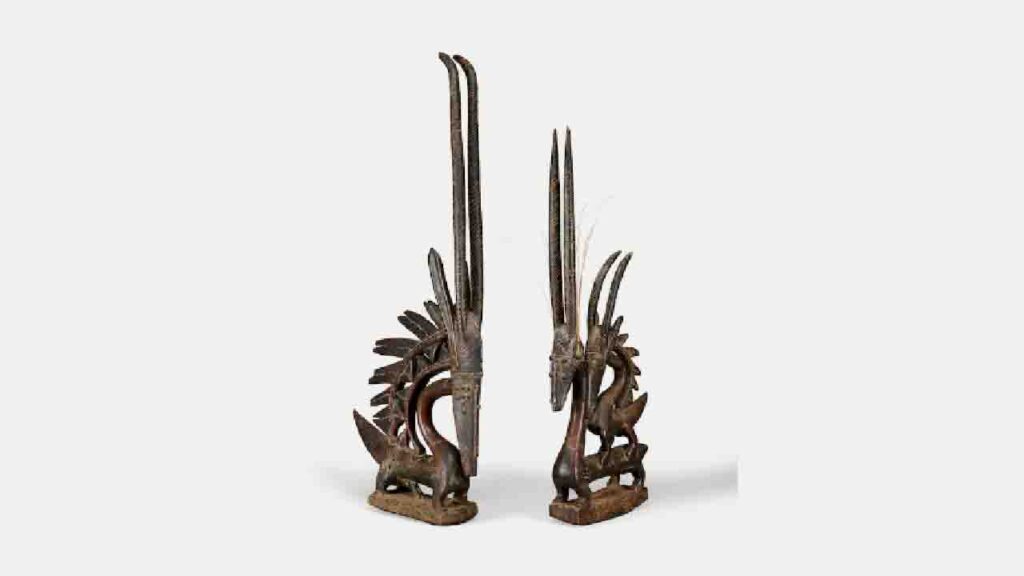
What is most revealing about this exhibition is that the west for the most part, when analyzing African art in its original form, focused largely on the quality of the artworks and not if ever on the genesis of the piece or the local appreciation of the reason for its being. While assumptions were made on the use of the craft, imagery, resources and accoutrements, there was little that was translated into the value these artworks infused into the different cultures and the lives of their communities.
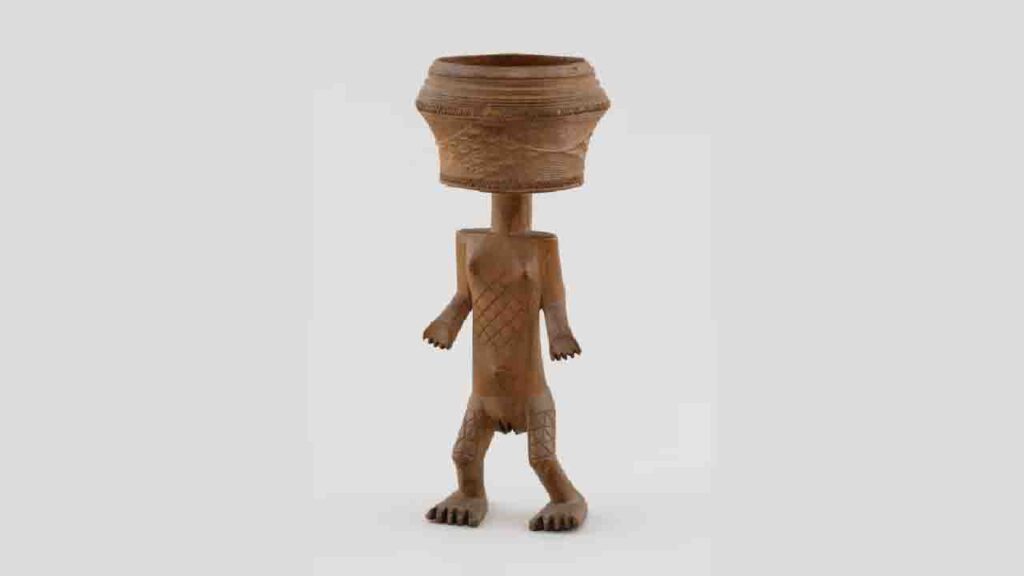
The Language of Beauty exhibition aims to change that, focusing on aesthetic evaluations of those communities, their craft and their artists. Sub-saharan cultures for instance, share similarities in symmetry, balance, moderation, clarity and even youthfulness but go beyond the visual to narrate the meaning of the work. There’s always an overarching cycle of goodness, ugliness and immortality in each of these works.
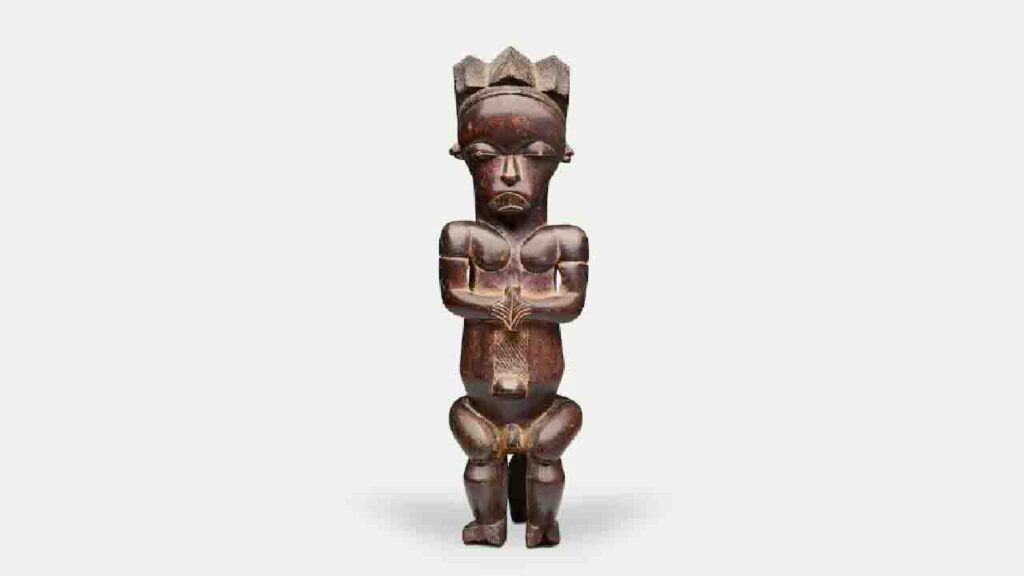
The objective of the exhibition, therefore, is to acknowledge the cultural diversity of the African continent while highlighting the commonality of the differences that chronicles a shared humanity and the importance of those works to everyday life. Art is for life’s sake rather than art for art’s sake is what this exhibition is about, compounding the direction relationship to the function and purpose of the artwork. It also solicits the visitor to view the implications of these works in a religious, political, social and philosophical context, reliving their incorporation, which even today is used in ceremonial and ritual practices as well as daily life.