
The foods we eat play a critical role in shaping our health and well-being. The human body requires a complex mix of nutrients, including proteins, carbohydrates, fats, vitamins, and minerals, to function optimally. Our diets need to provide us with a balanced mix of these nutrients to maintain good health. However, the foods we eat and the way they are processed can have a significant impact on our health.
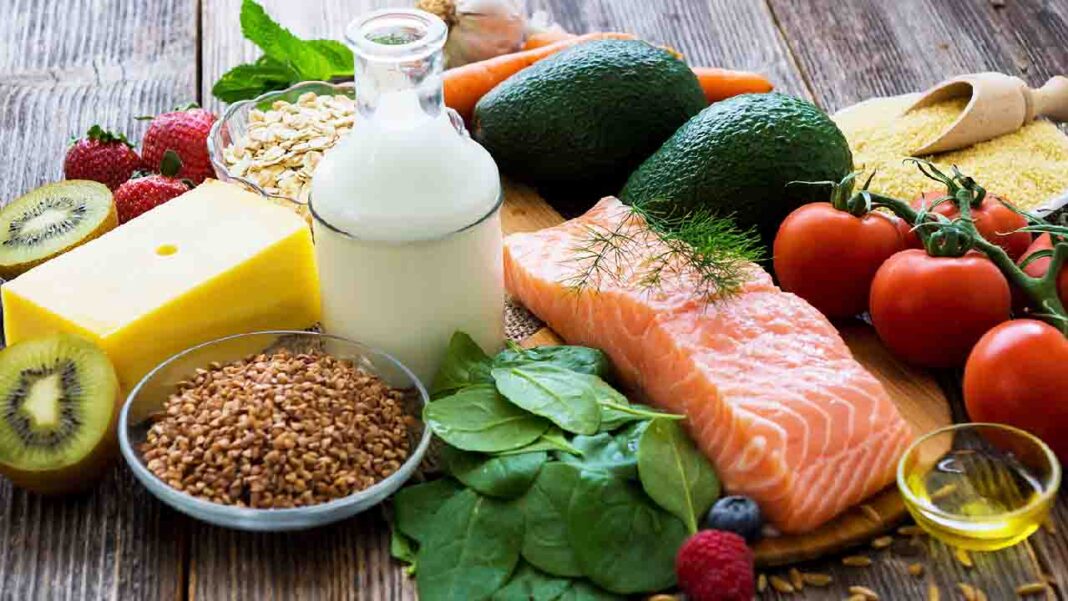
Processed foods, for example, are often high in salt, sugar, and fat, which can lead to weight gain, obesity, and chronic diseases like diabetes and heart disease. They are also often low in essential nutrients, like fiber, vitamins, and minerals. Processed foods are frequently made using refined grains, which have had their natural nutrients and fiber removed, and are often enriched with synthetic vitamins and minerals. As a result, they can lead to nutrient deficiencies and a lack of energy. In contrast, whole foods like fruits, vegetables, whole grains, and lean proteins are essential for optimal health. These foods provide the body with a broad range of nutrients, including fiber, vitamins, minerals, and antioxidants, which support healthy digestion, immune function, and overall well-being. They are also typically lower in calories and higher in nutrients than processed foods, making them a better choice for weight management.
The way we cook our food can also affect its nutritional content. Boiling, for example, can cause water-soluble vitamins like vitamin C to leach out of the food and into the cooking water. Grilling, on the other hand, can create potentially carcinogenic compounds like heterocyclic amines and polycyclic aromatic hydrocarbons, which can increase the risk of cancer. The quality of our food is also important. Foods grown in nutrient-rich soil without the use of pesticides, herbicides, and other chemicals tend to be more nutritious than conventionally grown foods. Organic foods are grown without synthetic pesticides and fertilizers and are generally considered to be healthier than conventionally grown foods.
In conclusion, the foods we eat and the way they are processed, cooked, and grown can significantly impact our health and well-being. Choosing whole foods over processed foods, cooking foods in a way that preserves their nutritional content, and selecting high-quality, organic foods can all support optimal health. By making conscious choices about what we eat and how we prepare our food, we can positively influence our physical, mental, and emotional health.