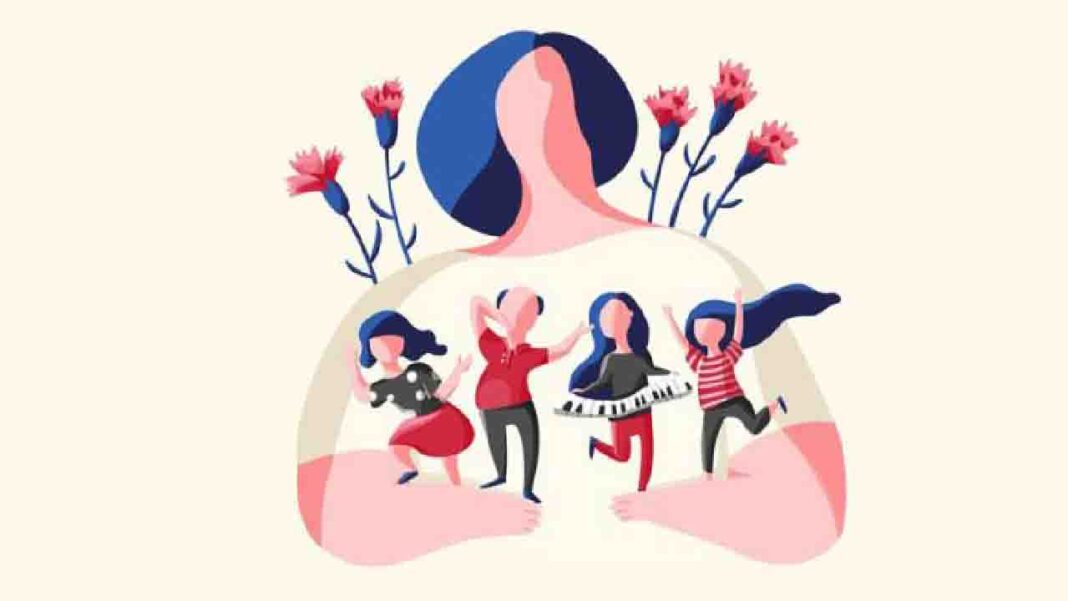


In today’s ever-evolving world, where progress and innovation are at the forefront of societal change, there is one essential factor that continues to stand as a catalyst for transformation—education. It is a powerful tool that can unlock doors, broaden horizons, and create opportunities. When it comes to women’s health, education plays a vital role in fostering awareness, enabling informed choices, and paving the way for a brighter, healthier future.
By providing comprehensive information about reproductive health, hygiene, and disease prevention, education acts as a beacon of light, dispelling myths and misconceptions that surround women’s health. It cultivates a sense of autonomy and empowers women to make informed decisions about their well-being, ensuring that they are active participants in managing their own health.
One of the most significant benefits of education on women’s health is its role in reducing maternal mortality rates. In many parts of the world, women continue to face challenges in accessing proper maternal healthcare, leading to preventable deaths during pregnancy and childbirth. However, education can be a powerful force in addressing this issue. By providing women with knowledge about antenatal care, safe delivery practices, and postpartum care, education can empower them to seek the necessary healthcare services, recognize warning signs, and make informed decisions for themselves and their babies.
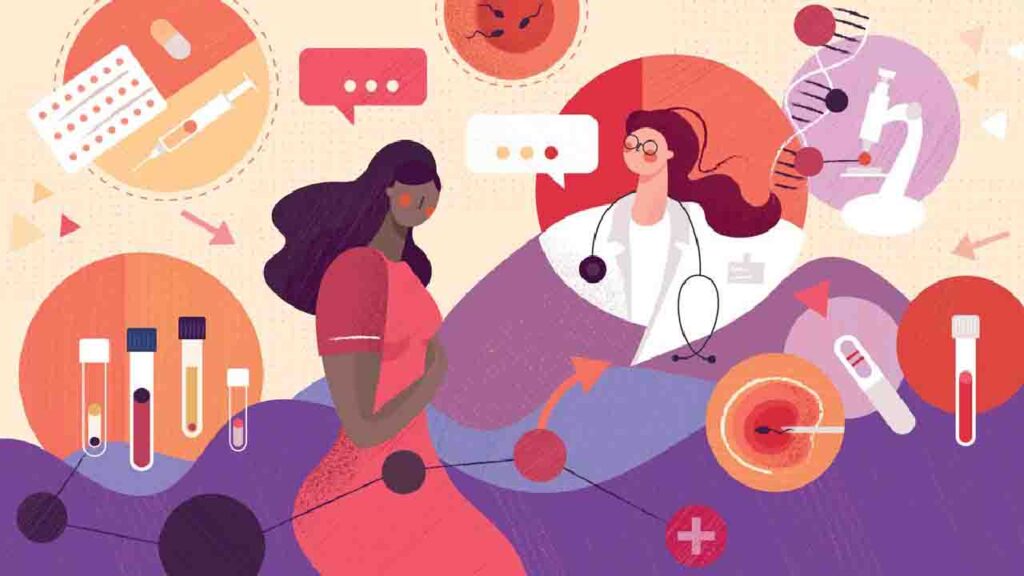
Furthermore, education acts as a key driver in the prevention and control of diseases affecting women’s health. With the right knowledge, women can understand the importance of vaccinations, regular screenings, and early detection of diseases such as breast cancer, cervical cancer, and sexually transmitted infections (STIs). They can become advocates for their own health, actively engaging in preventive measures and seeking timely medical intervention when needed. Education also raises awareness about mental health, enabling women to recognize signs of distress, seek support, and promote overall well-being.
The benefits of education on women’s health are undeniable, but the journey towards universal education and gender equality is not without its challenges. Access to quality education remains a significant barrier for many women, particularly in marginalised communities and developing countries. Economic disparities, social norms, and systemic barriers often limit educational opportunities for girls and women. Therefore, it is crucial for governments, organisations, and individuals to prioritise investments in education, ensuring equal access and opportunities for women and girls worldwide.
To make education on women’s health engaging and effective, it is essential to employ innovative and inclusive teaching methods. Interactive workshops, community-based programs, and digital platforms can be utilised to disseminate knowledge, provide practical skills, and promote dialogue. Collaborative efforts between educational institutions, healthcare providers, and community organisations can create a comprehensive ecosystem that supports women’s health education. By tailoring educational initiatives to the specific cultural, social, and economic contexts of different communities, we can ensure that the information provided is relevant, relatable, and impactful.
Additionally, it is crucial to involve men and boys in women’s health education. Breaking down gender stereotypes and promoting mutual respect and understanding can foster supportive environments where women’s health is prioritised and valued. By engaging men as allies and advocates, we can create a more inclusive and equitable society where women’s health is seen as a shared responsibility.
In conclusion, education serves as a cornerstone in promoting women’s health and well-being. By providing women with knowledge, skills, and resources, education empowers them to make informed decisions, take control of their health, and advocate for their rights. It has the power to save lives, improve maternal and child health, prevent diseases, and contribute to overall social and economic development. It is our collective responsibility to invest in and prioritise education on women’s health, ensuring that every woman has the opportunity to access the knowledge and resources she needs to live a healthy, fulfilled life.