

Tourism plays a significant role in the economic development of nations across the globe. However, the COVID-19 pandemic exposed the vulnerability within the tourism industry, highlighting the urgent need for collective action and sustainable strategies.
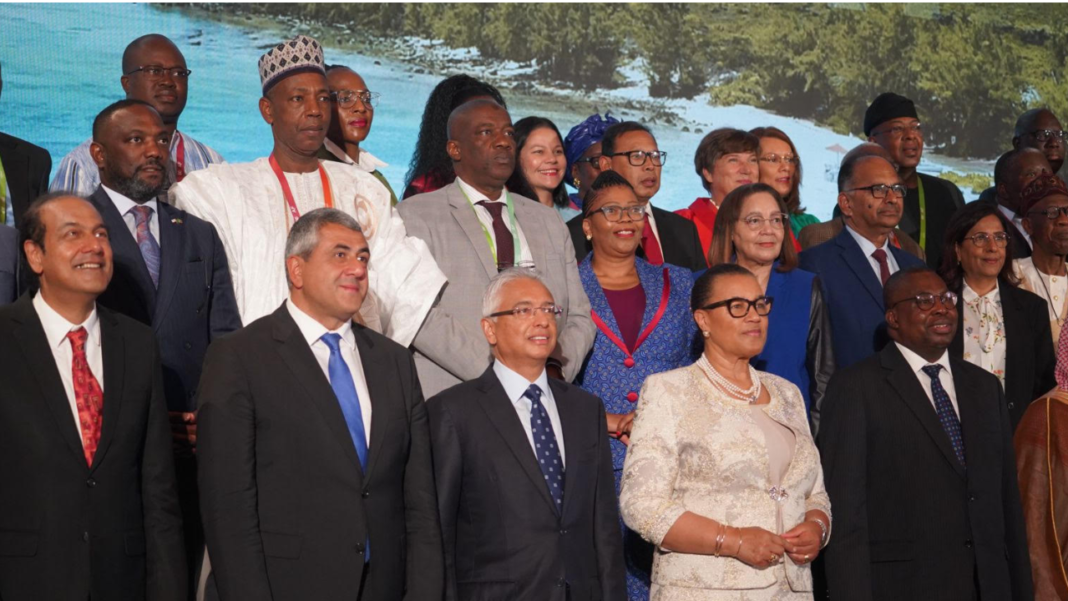
Speaking at the United Nations World Tourism Organization Regional Commission for Africa meeting in Mauritius on 26 July 2023, the Secretary-General of the Commonwealth called for collaboration among member states, with a focus on the United Nations World Tourism Organization (UNWTO), to address these challenges.
She addressed more than 100 senior officials, including the Prime Minister of Mauritius, the Hon Pravind Jugnauth, and African ministers responsible for tourism.The Secretary-General said:
“Despite a strong recovery in 2022, to almost two-thirds of pre-pandemic levels, the world today is tightly bound by a tangled knot of crises spanning global economic, environmental and security systems, which pose series threats to the tourism sector.”
Tourism is a critical economic sector for many Commonwealth countries, contributing to job creation and foreign exchange earnings. However, it is also highly susceptible to external shocks, such as natural disasters and pandemics. The COVID-19 pandemic, for instance, resulted in severe disruptions, highlighting the fragility of the industry.
The UNWTO plays a pivotal role in promoting responsible and sustainable tourism. It facilitates cooperation among member states, sharing best practices and knowledge to mitigate vulnerabilities. Through research, policy advocacy, and capacity-building initiatives, the UNWTO contributes significantly to the development of a sustainable tourism ecosystem.
The Secretary-General’s call for collaboration among Commonwealth nations is timely. The Commonwealth represents a diverse group of countries, each with its unique tourism challenges and opportunities. By working together, member states can leverage their collective strengths to address vulnerabilities effectively.
She highlighted the disproportionate impact on small island developing states (SIDS), which are heavily reliant on tourism. In 2020, SIDS experienced a 9 per cent decline in their gross domestic product, significantly higher than the global average of 3.4 per cent.
Secretary-General Scotland spoke about the Commonwealth’s ‘Their Future, Our Action’ project, which has been enhancing the economic resilience of small states.
She highlighted two tools developed through this project which can support the efforts of African countries. The first tool, ‘Common Pool Asset Structuring Strategy,’ consolidates individual finance applications into country-wide opportunities, while the second tool, the Political-Economic Resilience Index, provides credible data on the economic and vulnerability levels of small states, making inward investments more attractive.
collaboration allows Commonwealth countries to share their experiences in managing tourism vulnerabilities. For example, countries prone to natural disasters can learn from those with robust disaster preparedness and recovery plans.
Collaboration can strengthen crisis management capabilities. Commonwealth countries can coordinate responses to unforeseen events, such as pandemics or security threats, to minimize disruptions to the tourism sector.
Collective marketing efforts can boost tourism in the Commonwealth. Joint campaigns can highlight the diverse attractions and experiences offered by member states, attracting a broader range of tourists.
While collaboration among Commonwealth nations is essential, it is not without its challenges. These may include differences in economic development, infrastructure, and political stability. However, addressing these challenges is integral to building a resilient and sustainable tourism sector. The Secretary-General’s call for collaboration among Commonwealth nations, with a focus on the UNWTO, is a crucial step towards addressing the vulnerabilities within the tourism industry. By sharing knowledge, implementing sustainable initiatives, and coordinating crisis responses, member states can create a stronger, more resilient tourism ecosystem. This collaborative effort will not only