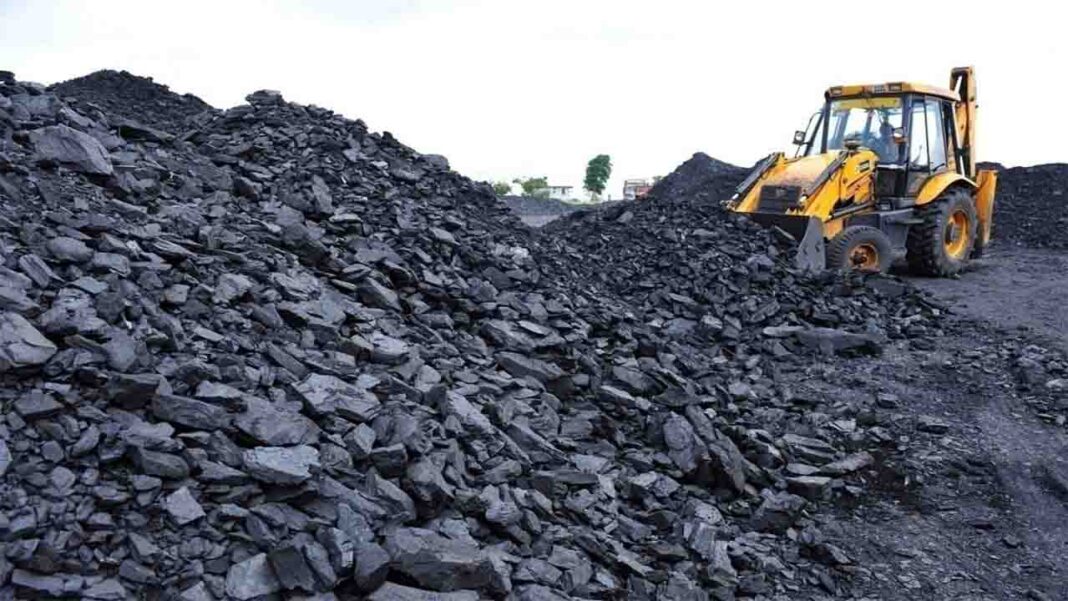

Africa ( Commonwealth Union) _ South African authorities have launched extensive raids across five provinces in a bid to dismantle a coal-smuggling syndicate, which they claim has been responsible for pilfering over $26 million worth of coal. This illicit activity has not only led to financial losses but has significantly degraded the efficiency of state-owned power plants, further contributing to the nation’s ongoing electricity crisis.
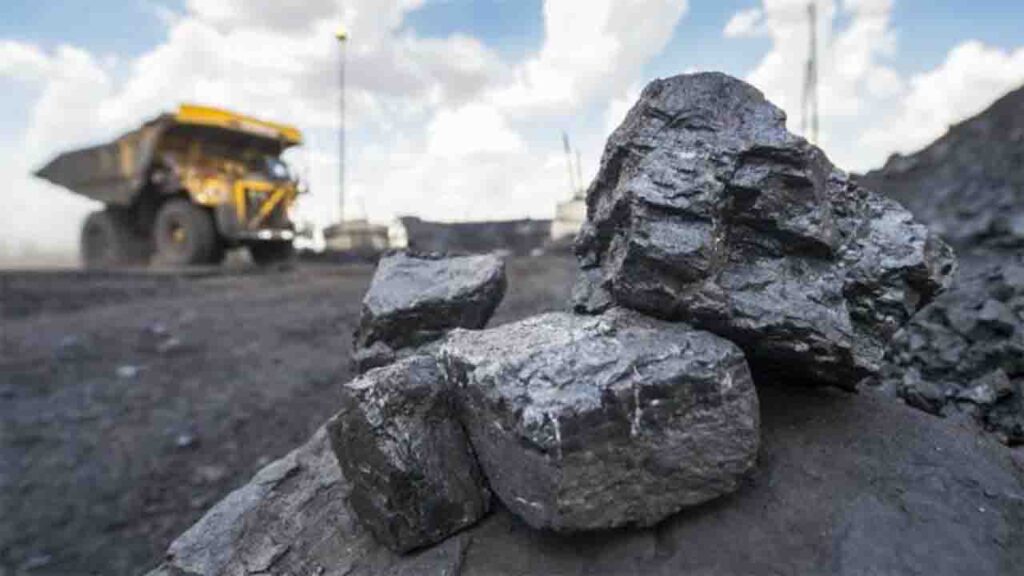
The criminal gang’s modus operandi involved diverting trucks transporting high-quality coal intended for power stations, stealing this coal for resale, and replacing it with inferior quality products, as revealed by the country’s tax and revenue agency. The substandard coal, when used in power plants, has inflicted substantial damage on the infrastructure of these facilities.
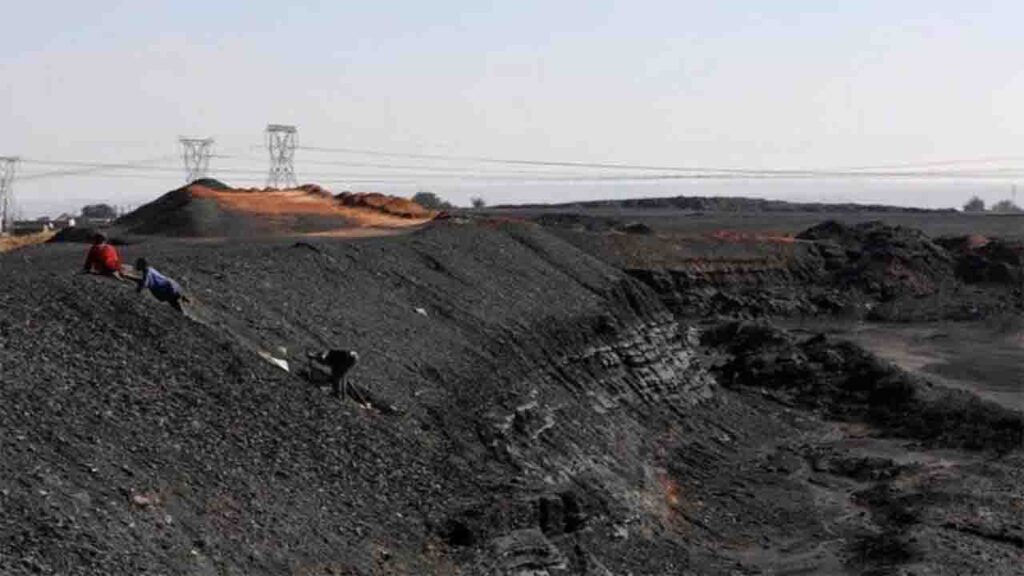
Authorities in South Africa are grappling with a severe power crisis, leading to scheduled rolling blackouts due to inadequate electricity generation from the country’s coal-fired stations, which typically cater to its population of 62 million. Eskom, the state-owned power utility, is responsible for about 95% of South Africa’s electricity production.
While corruption and mismanagement within Eskom have primarily been blamed for the power crisis, authorities have also highlighted the involvement of suspected organized crime syndicates that have been operating in connection with Eskom’s power station supply chains. These criminal networks even include former Eskom employees, according to the tax agency.
The fraudulent switching of coal destined for state-owned plants has intensified South Africa’s electricity woes by causing substantial damage to the power stations, thereby hampering Eskom’s ability to generate electricity for the national grid.
South Africa experienced its worst blackouts earlier in the year, with homes and businesses enduring power outages exceeding eight hours a day. Although the situation has somewhat improved in recent weeks, energy analysts predict that blackouts will persist until at least the end of 2024.
The electricity crisis has taken a significant toll on South Africa’s economy, with growth projections for the year falling below 1%. Politically, it has posed challenges for the ruling African National Congress party, which has held government reins since the end of apartheid in 1994 and has been widely held responsible for the problems at Eskom and other state-owned entities.
With national elections scheduled for the following year, the power crisis is anticipated to be a paramount concern for voters, further underscoring the urgency of addressing these systemic issues.