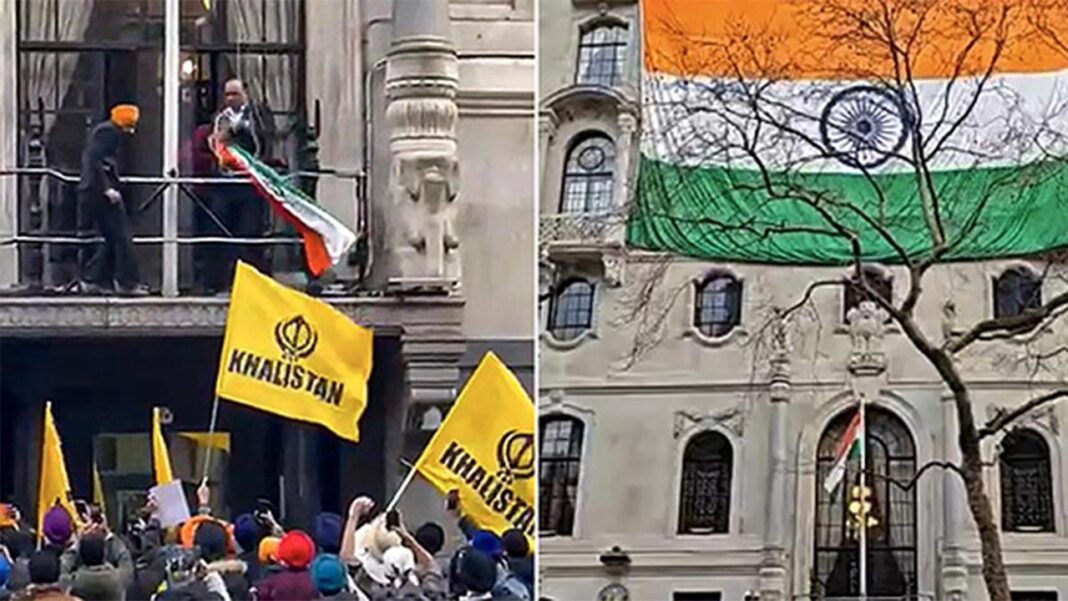

Diaspora (Commonwealth Union) _ In a significant development in the investigation into the 2023 attack on the Indian High Commission in London, the National Investigation Agency (NIA) of India has charge-sheeted a key accused, Inderpal Singh Gaba, in a special court in Delhi. The chargesheet is part of the ongoing probe into the anti-India protest orchestrated by Khalistani secessionist elements in front of the High Commission on March 22, 2023.
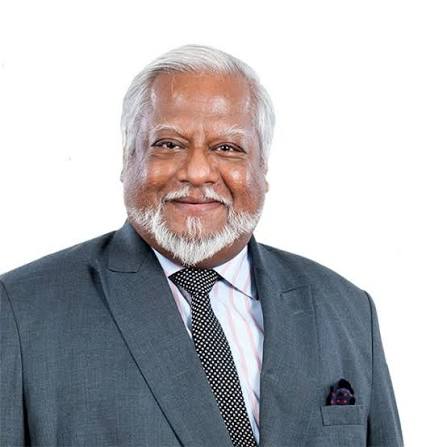
Inderpal Singh Gaba, a UK national residing in Hounslow, originally hailing from New Delhi, was identified as one of the agitators who actively participated in the protest outside the Indian High Commission. According to the NIA statement, this protest was part of a broader agenda to promote Khalistani secessionism.
Gaba was arrested by the NIA on April 25, 2023, following comprehensive investigations that established his involvement in the secessionist activity. The probe revealed that the attack on the High Commission in London was orchestrated in retaliation to the crackdown by the Punjab Police against Amritpal Singh, the chief of Waris Punjab De, with an aim to influence the actions taken against the outfit and its leader.
Inderpal Singh Gaba was detained by immigration authorities in December 2023 at the Attari border upon his arrival from London via Pakistan. His detention was based on a lookout circular issued against him. Following his detention, investigations were initiated, and he was prohibited from leaving India while the probe continued.
During the months-long investigation, the NIA seized Gaba’s mobile phone and examined its data. This examination led to the discovery of several incriminating videos and photos of the incident, which further solidified his involvement in the attack on the Indian High Commission.
The NIA has charged Gaba for his role in the violent attack on the Indian High Commission in London, which was aimed at furthering the cause of Khalistan by promoting the secession of Punjab from India. The investigation revealed that the attack was not an isolated incident but part of a larger conspiracy to retaliate against the actions of Indian law enforcement agencies in Punjab.
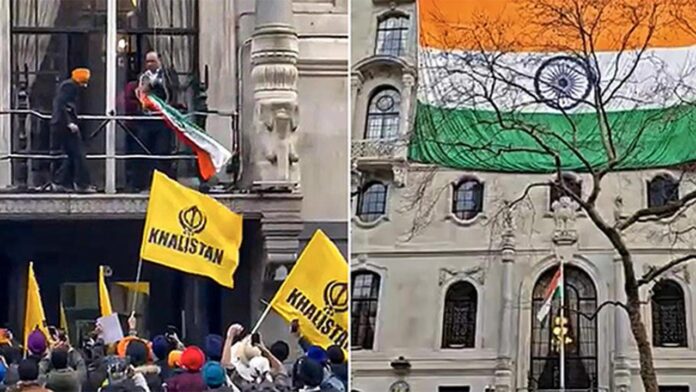
The violent protest, which included the desecration of the Indian national flag and damage to property, was allegedly conducted to pressure the Indian government and create international awareness about the Khalistani agenda.
The chargesheet against Inderpal Singh Gaba marks a major step forward in the NIA’s investigation into the attack on the Indian High Commission in London. The probe continues to uncover more details about the conspiracy, with the NIA committed to bringing all perpetrators involved in the secessionist activities to justice. The incident highlights the ongoing challenges faced by Indian authorities in addressing separatist elements operating both within and outside the country.
By holding those responsible accountable, the NIA aims to deter such activities in the future and ensure the safety and security of Indian diplomatic missions abroad.