
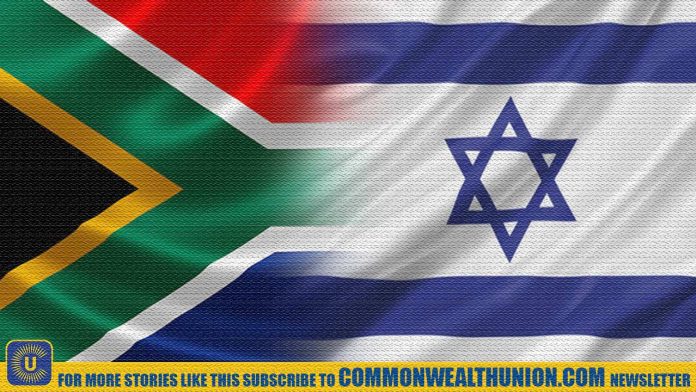

South Africa and Israel have both expelled each other’s top diplomats, deepening an already tense relationship between the two countries. The dispute began when South Africa ordered Ariel Seidman, Israel’s most senior diplomat in the country, to leave within 72 hours. The foreign affairs ministry said he had broken diplomatic rules and declared him persona non grata, meaning he was no longer welcome.
Soon after, Israel responded by expelling South Africa’s envoy to Palestine, Shaun Edward Byneveldt, giving him the same deadline to leave. Ties between the two nations have been strained for some time. South Africa recently accused Israel of committing genocide against Palestinians in a case brought before the International Court of Justice. Israel has strongly denied the accusation. This disagreement has added to years of diplomatic tension. South Africa said Seidman misused his diplomatic position by criticising President Cyril Ramaphosa on official social media accounts and by helping Israeli officials visit the country without getting approval from the South African government. Officials said these actions were a serious misuse of diplomatic privileges. Israel’s government quickly rejected South Africa’s move. Prime Minister Benjamin Netanyahu and Foreign Minister Gideon Saar said South Africa’s actions were unfair and politically motivated.
They announced that Byneveldt was also being expelled and warned that Israel might take further steps later. At the moment, neither country has a full ambassador posted to the other. This means the expelled officials were the highest-ranking representatives on each side. The situation is also linked to controversy around Seidman’s relationship with Buyelekhaya Dalindyebo, a traditional leader and nephew of Nelson Mandela. Dalindyebo visited Israel last December and met senior officials without informing South Africa’s government.
After his visit, an Israeli delegation travelled to South Africa’s Eastern Cape and spoke about possible support in areas like water, health, and farming. South Africa has recognised traditional leaders, but they do not hold political power. Even so, the government said these unofficial contacts caused serious concern and helped trigger the diplomatic fallout.