
Fiji‘s government has started a new programme called BE-GREEN. It stands for the Blue Economy and Green Community Development Programme. The plan is worth US$24.26 million. It is run with help from two international groups: IFAD and the Global Environment Facility.
The programme will support villages on Vanua Levu. This is Fiji’s second-biggest island. Currently, many families there grow food just to feed themselves.
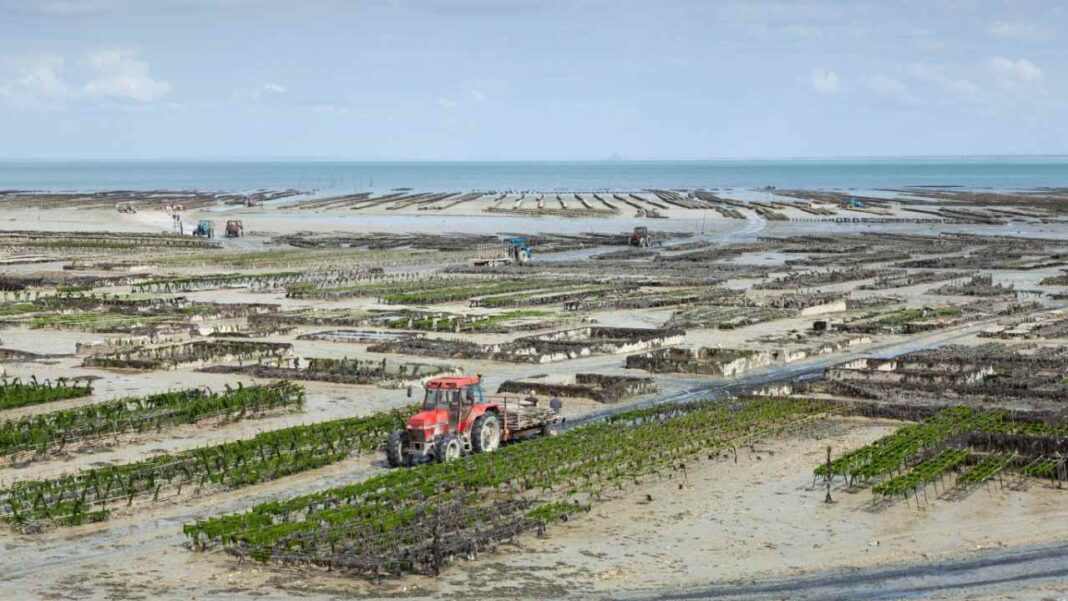
BE-GREEN wants to help them earn real income instead. It will support new businesses like tree farming, seaweed farming, and eco-tourism. At the same time, it aims to protect nature, not harm it.
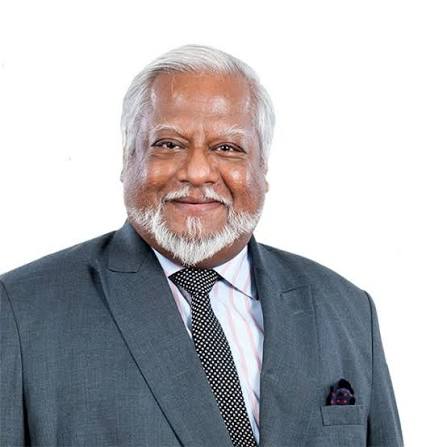
Prime Minister Sitiveni Rabuka spoke at the launch. He spoke in the iTaukei language. He said Fiji’s national plans for 2025 to 2029, and its Vision 2050, are built on one promise. That promise is to help Fijians through unity, fair chances, and strong leadership.
He said this means growing the economy, caring for the environment, and improving governance. It also means bringing progress to villages, settlements, and islands. He called BE-GREEN a real step toward that promise.
This launch is a big moment for Fiji’s work with IFAD. It starts a new stage of support for farmers, fishers, women, youth, and Indigenous communities. Donal Brown is IFAD’s Associate Vice President for Country Operations.
He said IFAD is proud to work with Fiji on this programme. He explained that BE-GREEN links people, farming, markets, and nature together. He said rural families can earn more money by protecting the environment. This way, growth in farming and tourism won’t damage forests, rivers, or coral reefs.
Fiji’s Ministry of Agriculture, Waterways and Sugar Industry will run the programme. It will work with the Ministry of Environment and Climate Change, plus other partners. The plan will reward communities for restoring damaged forests, mangroves, and old sugarcane fields. It will also help build stronger supply chains for cocoa, root crops, honey, seaweed, and sea grapes.
The programme will provide matching grants. These will help local entrepreneurs invest in tourism, processing, and value-added products. It will also test a new idea with the Reserve Bank of Fiji. The idea is to help families turn money sent home by relatives abroad into useful savings and investments. In its first phase, BE-GREEN should help about 6,550 households. That’s roughly 39,300 people. Women, youth, and iTaukei communities are a key focus.
BE-GREEN fits into IFAD’s wider Pacific strategy, called RESOP. This plan guides IFAD’s work across 13 Pacific nations until 2033. It targets poverty, hunger, climate risks, and isolation. Over 40 years, IFAD has invested US$557 million in the Pacific region, reaching one million people.