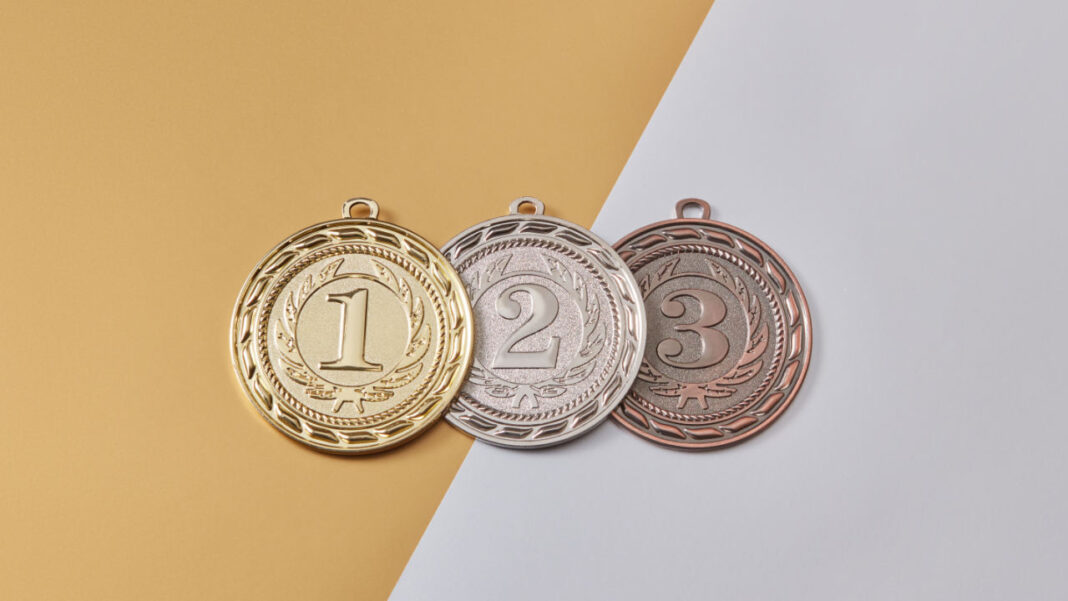

India ended its campaign at fourth in the overall standings, with a strong haul of 39 medals at the 2026 Commonwealth Games, which were held in Glasgow. Placing itself right behind Australia, England and Canada, the team ended up collecting 13 gold, 17 silver and nine bronze medals, placing a significant mark on the final medal table.
Indian athletes showcased their skills in various disciplines, but only a few notable achievements were recorded. Boxing rose up as one of the biggest successes, as it produced for the country 10 medals, including seven golds. This made boxing India’s most productive sport at the Games and highlighted the growing strength of the country’s boxers who proudly represented their region.
Mirabai Chanu, who is a professional weightlifter, offered one of the most standout moments during the games. Securing her third gold medal consecutively in the Commonwealth Games, she made sure the event was another opportunity that would add another major achievement to her already successful career. This victory made her the second Indian athlete to win gold at three successive editions of the games.
India also celebrated historic results in judo. Asmita Dey became the country’s first Commonwealth Games judo gold medallist, while Harsh Singh also won gold. India collected three judo medals in total, marking its strongest performance in the sport at a single Commonwealth Games.
Another memorable storyline was provided by Athletics. Gulveer Singh became the first Indian track and field athlete to end up winning two individual medals at one Commonwealth Games after claiming silver in the 10,000 metres and bronze in the 5,000 metres. Tejaswin Shankar also made history by winning India’s first Commonwealth Games medal in the decathlon, securing bronze. These athletes acted as ambassadors for the country, making the nation proud of each step they took.
One could see the hard work and sacrifice these participants had to adhere to. Regardless, they emerged as talented individuals whose efforts were not wasted. These promising individuals not only represented the country but became role models and inspirations to every young child out there. They demonstrated that with determination and dedication, anything is achievable. Their perseverance resulted in remarkable outcomes, which left each Indian proud of their nation.
India’s para-athletes also made sure to contribute in their own way in a significant manner to the overall success of the country, which is known to be a Commonwealth region as well. The country ended up winning seven medals in para sports, including three golds, making Glasgow its best Commonwealth Games performance in para competition.
India’s armed forces also had a strong connection to the achievement. Defence personnel won 18 of the country’s 39 medals, which include 16 from the Army and two from the Navy. The Indian Army, by itself, collected eight gold, seven silver and one bronze medal.
Going beyond the medal count, Glasgow granted India an opportunity to demonstrate the growing depth of its sporting talent. This provided talented participants with the opportunity to showcase their skills and make their country proud. Women athletes also played a major role, particularly in boxing, where four of India’s six gold medals were won by women boxers.
The focus has now turned to Ahmedabad, which is set to host the 2030 Commonwealth Games. The Commonwealth flag was handed over to India during the Glasgow closing ceremony, beginning preparations for the centenary edition of the Games.
With 39 medals, several historic achievements and a new generation of athletes making their mark, India leaves Glasgow with plenty to celebrate and high expectations for what comes next.