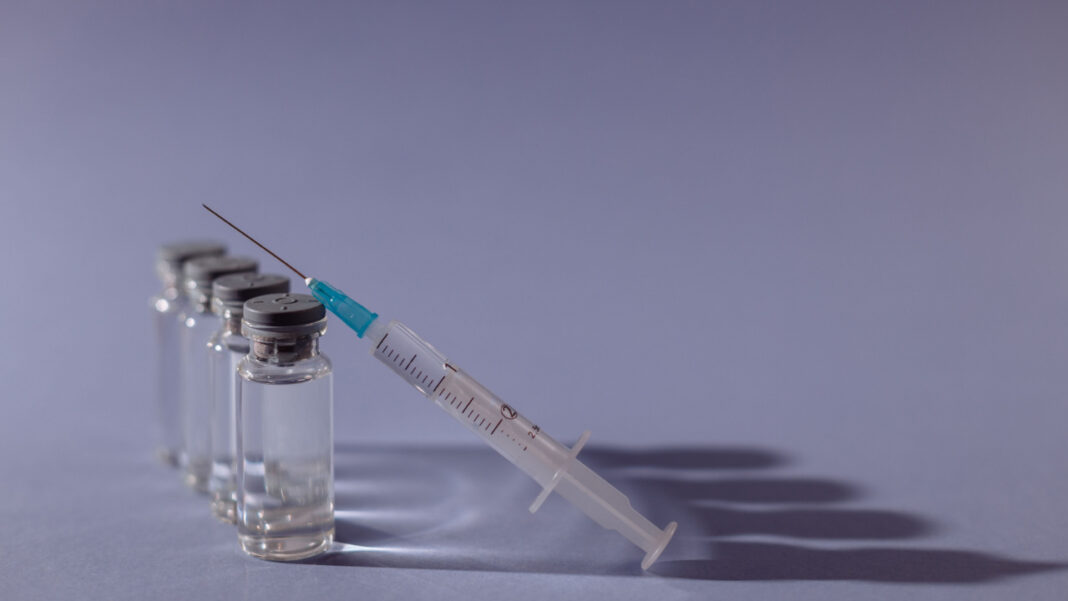

India has approved its first dengue vaccine, marking a major step in the country’s fight against the mosquito-borne disease. The vaccine, called QDENGA, has received approval from the Drug Controller General of India (DCGI). It was developed by Takeda Biopharmaceuticals India. The vaccine can be given to children and adults between the ages of 4 and 60. It is designed to protect against all four types, or serotypes, of the dengue virus.
QDENGA is given in two doses. The second dose is administered three months after the first. Each dose is 0.5 ml and is injected under the skin. A key feature of the vaccine is that no testing is needed before getting it.
This means the vaccine can be given regardless of whether a person has had dengue in the past. The vaccine’s approval is based on data from a large global clinical development programme. The programme included 19 Phase I, Phase II and Phase III clinical trials. More than 28,000 people took part in these studies. The trials were conducted in countries where dengue is common, as well as in areas where the disease is less widespread.
India also conducted a Phase III clinical trial known as DEN-302. The study assessed the vaccine’s safety and immune response in people aged between 4 and 60.
Long-term data from the vaccine’s clinical programme has also shown continued protection against dengue infection and hospitalisation. The protection covers all four dengue virus serotypes.
QDENGA has already been approved in 43 countries since its first approval in 2022. More than 32 million doses have been distributed worldwide. The vaccine has also received prequalification from the World Health Organization (WHO). This means it has met international standards for quality, safety and effectiveness.
WHO recommendations support the use of QDENGA in areas where dengue is common. The organisation also supports its use in public vaccination programmes in regions with high levels of dengue transmission. The vaccine’s WHO prequalification also allows it to be considered for procurement by international organisations. These include UNICEF and the Pan American Health Organization.
Dengue remains a major global health concern. The disease is transmitted by infected mosquitoes and has been reported in more than 125 countries. India is among the countries carrying a significant share of the global dengue burden. All four dengue virus serotypes are circulating in different parts of the country.
The risk of dengue transmission has increased due to several factors. Rapid urbanisation has created more areas where mosquitoes can breed. Climate change may also be expanding the areas suitable for mosquito populations.
Poor water management and stagnant water can further increase the risk of mosquito breeding. These factors make dengue prevention a continuing challenge. However, vaccination alone cannot eliminate dengue. Health experts continue to stress the importance of combining vaccination with other prevention measures.
These measures include mosquito control, disease surveillance and public awareness. People should also continue to protect themselves from mosquito bites.
The approval of QDENGA gives India a new tool to prevent dengue and reduce the risk of serious illness. The vaccine is expected to become available in India through private healthcare facilities in the first half of 2027.
The introduction of this new vaccine could be important as dengue cases continue to affect communities across India. However, wider prevention efforts will still be essential to control the spread of the disease. People will need to continue protecting themselves from mosquito bites and reducing mosquito breeding areas. For now, the approval marks an important step in India’s public health efforts. It gives eligible people access to a vaccine designed to protect against all four types of the dengue virus.