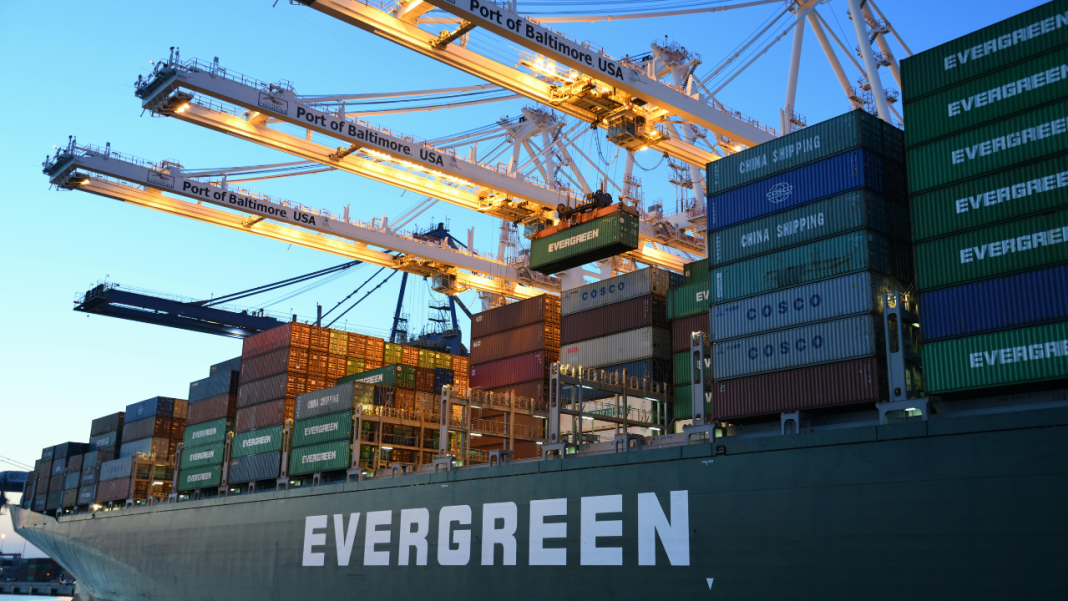


Signed on December 18, 2023, the Kenya-EU EPA was an agreement made between the European Union (EU) and Kenya that later came into effect on July 1, 2024. The agreement states that Kenyan products have duty-free, quota-free access to the EU market, which came as a major advantage for exporters. Further, in exchange, Kenya committed to gradually liberalising imports from EU countries under a rules-based schedule. The EPA also included binding provisions for labour standards, sustainable development, environmental protection, and other factors.
On November 24th, 2025, the East Africa Court of Justice (EACJ) issues an injunction suspending the implementation of the EPA. The action is being triggered by a case filed by the Centre for Law, Economics and Policy, East Africa (CLEP-EA).
CLEP‑EA argued that Kenya’s EPA with the EU violated the East African Community (EAC) treaty, specifically the procedures outlined in the EAC’s customs and market regulations.
The dispute specifically focuses on Article 37 of the EAC Protocol, which defines how member states are expected to consult one another when negotiating external trade agreements. CLEP‑EA claims and argues that Kenya proceeded with the EPA without adequately consulting the other EAC member states.
On the other hand, the Kenyan government is working to quickly reactivate the EPA’s implementation, protect export-driven businesses, uphold overall economic stability, and maintain investor confidence.
One might wonder why this is important. Under the EPA, Kenyan exports to the EU came to about US$1.56 billion in 2024–2025, while imports from the EU came to US$2.09 billion.
Duty-free EU access is crucial for Kenyan exporters, especially in the horticultural and agricultural sectors. Long-term EPA restrictions might reduce revenues and exports, disrupt and impede trade, and put employment at risk. The issue highlights inconsistencies between national trade agreements and EAC responsibilities, which will impact Kenya’s commercial stability, investor trust, and future regional accords.
The months ahead will be pivotal, as the court’s final verdict and Kenya’s diplomatic efforts will determine whether trade flows stabilise and settle or face lengthy uncertainty, with significant consequences for exporters and the wider economy.