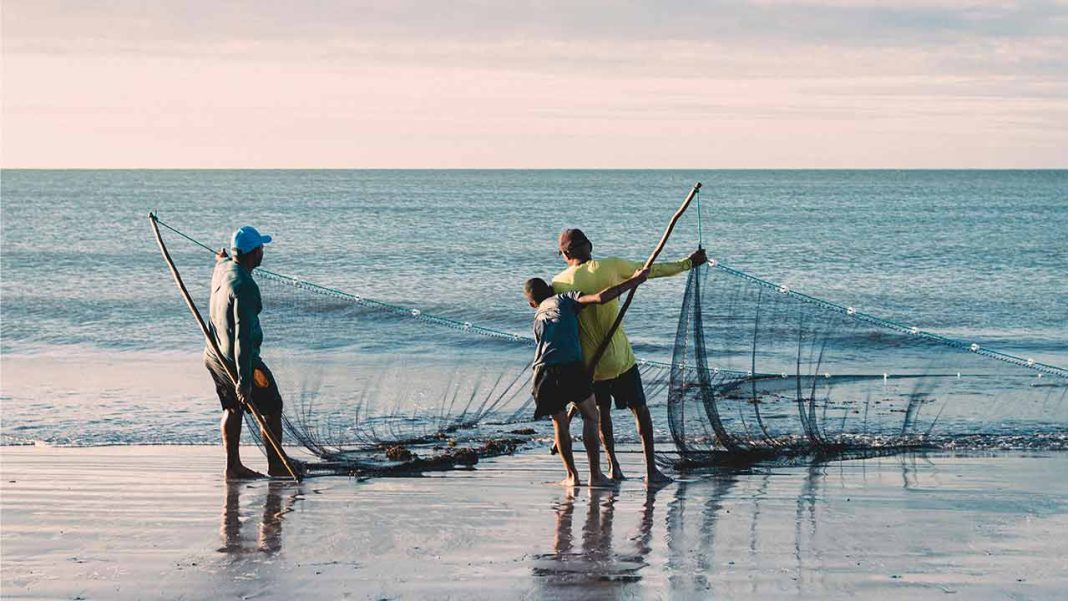

Fifteen Pacific Island nations have stepped up their regional efforts to fight illegal, unreported, and unregulated (IUU) fishing, which is an ongoing threat to marine resources, local economies, and food security across the region. This initiative, launched in late 2025 and continuing into 2026, is part of a larger push to strengthen fisheries monitoring, enforcement, and sustainable management.
Under the UK Sustainable Blue Economies Technical Assistance Platform, fisheries officers from participating countries have started to receive advanced training to better identify and tackle illegal fishing activities. Given in partnership with the Pacific Islands Forum Fisheries Agency (FFA), the program equips enforcement personnel with modern skills such as GIS mapping, data analysis, vessel tracking, and the use of aerial and satellite surveillance tools. We are also developing standard procedures to guarantee coordinated action throughout national waters.
The first training workshop took place in Fiji in December 2025, with follow-up sessions that were scheduled in Australia in early 2026. Participating countries include Fiji, Samoa, Tonga, and Papua New Guinea, all of which are known to be Commonwealth countries. Along with them, 11 other Pacific Island states all show the united commitment of the region to keep their ocean wealth safe.
Illegal fishing imposes major costs on Pacific economies, threatening the long-term sustainability of fish stocks that support local food systems, livelihoods, trade, and even export earnings. To tackle these risks effectively, Pacific governments are enhancing both human capacity and technological capability to monitor their large maritime zones, which cover over millions of square kilometers.
These capacity-building efforts complement much larger regional operations such as Operation Kurukuru and Operation Island Chief, which is coordinated annually by the FFA and involves multiple Pacific states. These large-scale maritime surveillance campaigns deploy patrol vessels, aircraft, and liaison teams to detect suspicious fishing activity and enforce compliance with national and international laws.
Beyond enforcement, Pacific nations are also investing in fisheries monitoring infrastructure. For example, Papua New Guinea very recently opened a dedicated monitoring, control, and surveillance (MCS) command center to bolster real-time tracking and enforcement, reinforcing the country’s resolve to protect its rich marine resources for future generations.
By strengthening cooperation, standardizing practices, and building knowledge in technology, Pacific Island countries are taking significant steps toward reducing illegal fishing, which is a very important step for securing ocean health, sustainable fisheries and even economic resilience through the region.