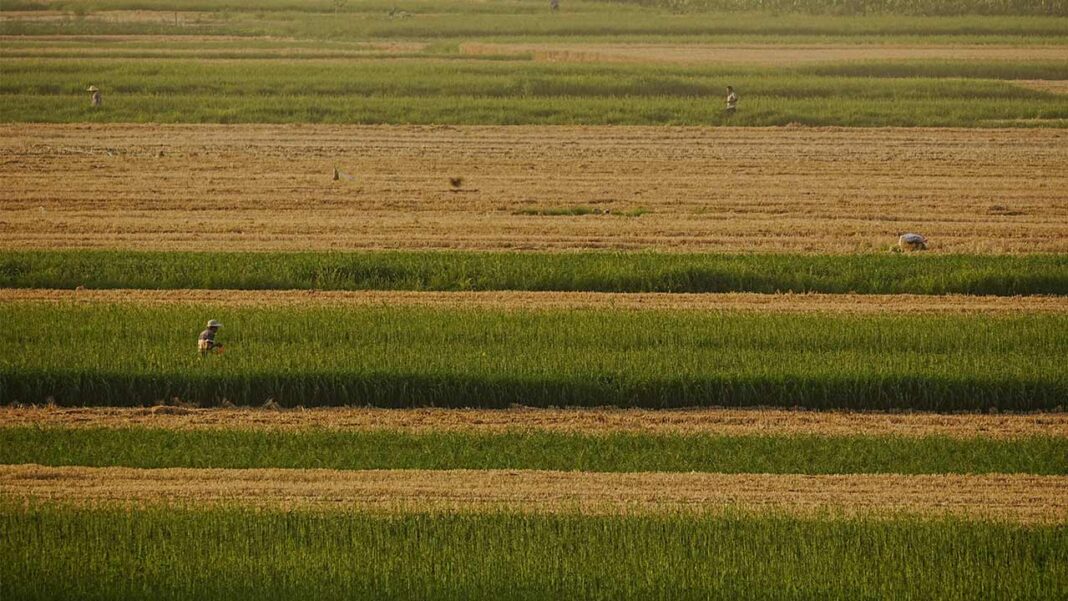

Vanuatu is at present facing increasing pressure on its food security as extreme weather conditions continue to be a main driver which damages agricultural land and threatens crop production in some of the country’s key farming areas.
Communities in Eratap and Teouma are suffering as they undergo the effects of a combination of extreme heat, drought, flooding, cyclones and rising sea levels. The repeated weather disruptions have resulted in damaged crops and have reduced the amount of productive land which is available to farmers. The situation has created an additional challenge for the communities that depend heavily on agriculture for food and livelihoods.
Agriculture plays a crucial role in Vanuatu’s food system, particularly for rural communities that rely heavily on locally grown produce. However, the recent unpredictable weather conditions have been increasing, and it has made it more difficult for farmers to continue production which is reliable.
Periods of drought can reduce water availability and leave crops struggling to survive, while heavy rainfall and flooding can destroy fields and wash away fertile soil. Coastal communities face another threat as rising sea levels and coastal inundation increase the risk of agricultural land becoming unsuitable for cultivation.
The combination of these pressures could have drastic consequences that go far beyond individual farms. Local production damage can reduce fresh food availability and increase communities’ reliance on imports. For households that are already facing difficulties in the economy, higher food prices could make nutritious food less affordable and accessible. This leaves communities at risk of facing many health issues, such as malnutrition.
The situation also clearly shows the vulnerability of Pacific island nations to climate change. Countries such as Vanuatu, which belong to the Commonwealth, have contributed relatively little to global greenhouse-gas emissions. However, unlike countries that contribute significantly, the small regions are among those facing significant consequences from changing weather patterns and rising sea levels.
Due to these challenges, strengthening climate-resilient agriculture is becoming increasingly important. Improving water management, protecting productive land, introducing crops that can withstand harsher conditions and strengthening early-warning systems could end up helping farmers to prepare for future disruptions.
Vanuatu’s latest agricultural challenges demonstrate how climate-related disasters can quickly become food-security concerns. As extreme weather continues to affect farming communities, greater investment in resilient food systems will be essential to protecting local production and livelihoods.