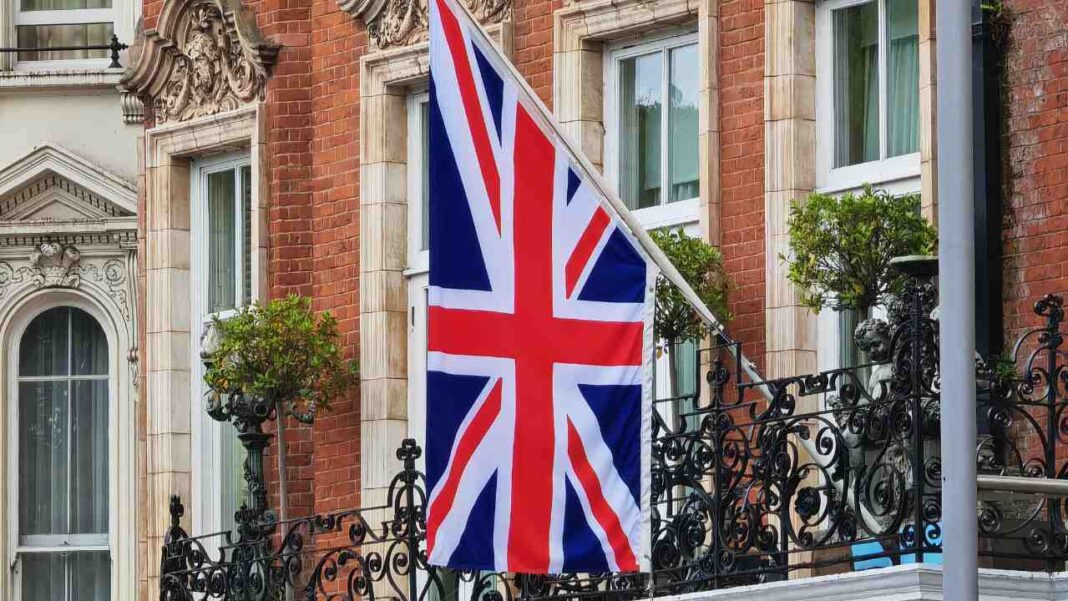

A surge in household energy bills pushed British inflation to a 4-month high in July. It aligns with predictions and appears poised for further growth as the ongoing war in Iran shows no signs of resolution.
Annual consumer price inflation increased to 2.9% in July from a 15-month low of 2.6% in June. The Office for National Statistics (ONS) said on Wednesday, 19 August ’26. It reflected a 13% rise last month in the maximum tariff British regulators permit energy firms to charge households.
Economists polled by Reuters had widely expected to witness a rise in inflation to 2.9%. However, the Bank of England (BoE) had predicted a smaller increase to 2.8%. The prediction was in forecasts published at the end of July & reflected inflation peaking at 3.2% later this year.
This data helps in explaining new Prime Minister Andy Burnham’s continuation of his predecessor’s focus on reducing cost-of-living pressures on British households. However, the stretched public finances prior to the government’s annual budget in October 2026 provide ‘little room for broad assistance.
Data may reassure BoE
The BoE’s likely to be reassured by the absence of nasty surprises in Wednesday, 20 August’s data. This is as figures a day ahead reflected a slightly cooler labour market that may limit the lasting impact of inflation caused by the Iran war.
The central bank was burnt by the scale of price increases 4 years ago in ’22. This was after Russia’s full-scale invasion of Ukraine. It combined with a tight post-COVID job market, which drove British inflation above 11%.
U.S. President Donald Trump said on Tuesday, 18 August, that no talks were taking place with Iran. Trump had asserted that the Strait of Hormuz was open. This contradicted Iran’s assertion that the critical waterway remained shut to shipping.
Sterling & British government bond futures reflected a muted immediate reaction to the inflation figures.
Chief economist of KPMG, Yael Selfin, said that July marks the commencement of a gradual increase in inflation. However, it is improbable that the data will prompt the BoE to take action. Selfin added that he expects inflation to reach 3.5%.