
Researchers at UC Davis Health have created an online tool that checks how well babies are growing and learning. A new study shows the tool works about as well as a visit to a clinic or lab. It is called TEDI, which stands for Telehealth Evaluation of Development for Infants.
This tool could be extremely beneficial for families residing far from a specialist. Some live in rural towns. Others live in places where health services are difficult to access. A tool that works through a video call could help these families get answers sooner. It could also support babies who are more likely to have autism, ADHD, or other developmental differences.
When the COVID-19 pandemic began, many researchers moved their work online. Yet very few of them checked whether results gathered at home matched results gathered in a lab. This study is one of the first to make that comparison using the same group of babies.
Earlier studies looked at remote testing for autism in older children. Most found that video diagnosis can be reliable, although some families still do better with a visit in person. TEDI takes a different approach. It focuses on infancy, when most children are too young to be diagnosed. The tool was built to notice early changes in babies who have a higher chance of developmental differences, such as those with an autistic brother or sister or a parent with ADHD.
The team enrolled 111 babies. Thirty-three had a family history of autism. Fifty-one had a family history of ADHD. Twenty-seven had no family history of either condition. Every baby took part in a lab visit and a TEDI session at home. The two sessions happened within a month of each other. Babies were seen at 6 or 9 months, at 12 months, or at 18 months.
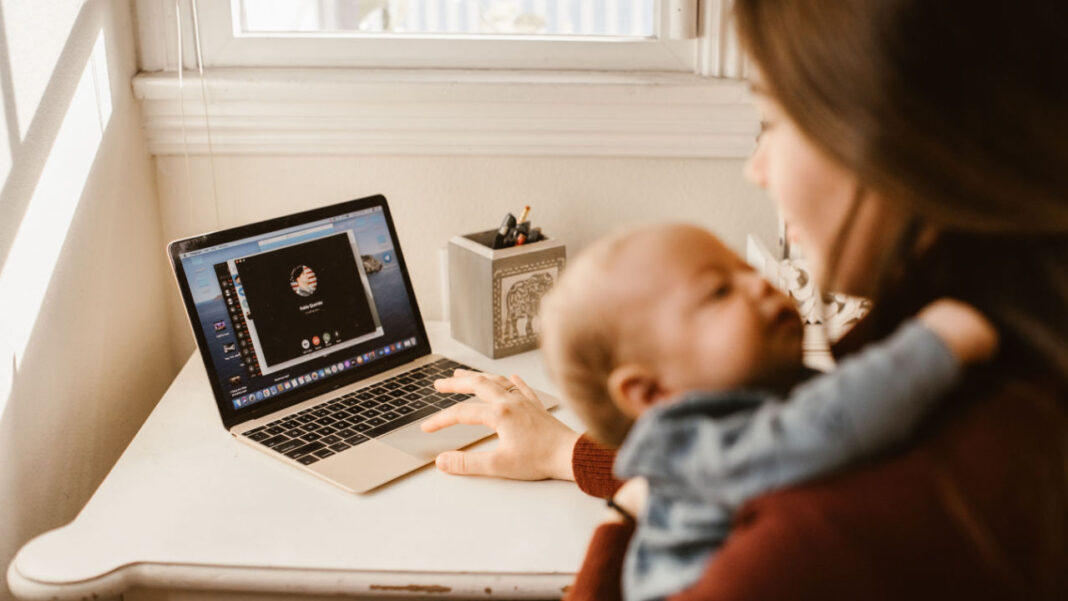
The home session lasted one hour. Each family received a small kit of toys. A trained examiner joined the session via video on a computer, phone, or tablet. The examiner guided the parent or carer through simple games, such as peekaboo, blowing bubbles, and singing a song. While the family played, the examiner watched closely. They noted what kinds of words the baby seemed to understand and how the baby shared needs and feelings. They also looked at play skills, problem-solving, and behaviours linked to autism and ADHD.
The scores from home and from the lab were very similar. Meagan Talbott, who created TEDI, said the team got nearly the same picture of each baby’s skills regardless of where the baby was seen. She is an associate professor of psychiatry and behavioural sciences at UC Davis and a faculty member at its MIND Institute. In her view, the results indicate that telehealth can be a trusted way to check early development. Families would not always need to travel to a clinic or research centre.
The researchers also asked parents what they thought. Many said their babies felt more relaxed at home. They said their children acted more like themselves than they did in the lab. Many parents also liked how convenient the video session was.
Meghan Miller, a co-author, called the work an important step toward making early checks easier to reach for families, wherever they live. She leads the Center on Disability Studies at the University of Hawai’i at Mānoa. Before moving to Hawai’i, she was a professor of psychiatry and behavioural sciences at UC Davis and a faculty member at the MIND Institute. She said the findings help build a path toward fairer access to early identification and support, which can help babies and their families thrive. She noted that dependable access to remote care can have lasting positive effects.