
SUVA, FIJI — 30 OCTOBER 2026
What happens when a nation produces many thousands of tonnes of valuable tropical fruit but faces difficulties in marketing it outside the country? This situation is the primary challenge of the Fiji agricultural sector that is expecting a groundbreaking transformation thanks to a newly established international agreement.
On October 28, 2026, Pacific Trade Invest (PTI) New Zealand and Fiji’s Ministry of Agriculture signed a three-year Memorandum of Understanding (MOU) at the Ministry’s office in Raiwaqa, Suva, charging their cooperation with the novel task of bringing Fijian pineapples to the global market. The memorandum was preceded by approval from the Cabinet on October 13, 2026, while the governmental authorities confirmed the decision on October 14.
The joint investment amounting to NZ$115,000 (U.S.$64,800) will be spent on creating a national Fiji pineapple brand, carrying out market analysis, launching promotional campaigns, and establishing ties between producers and buyers. However, the statistics behind this initiative show that such intervention is desperately needed.
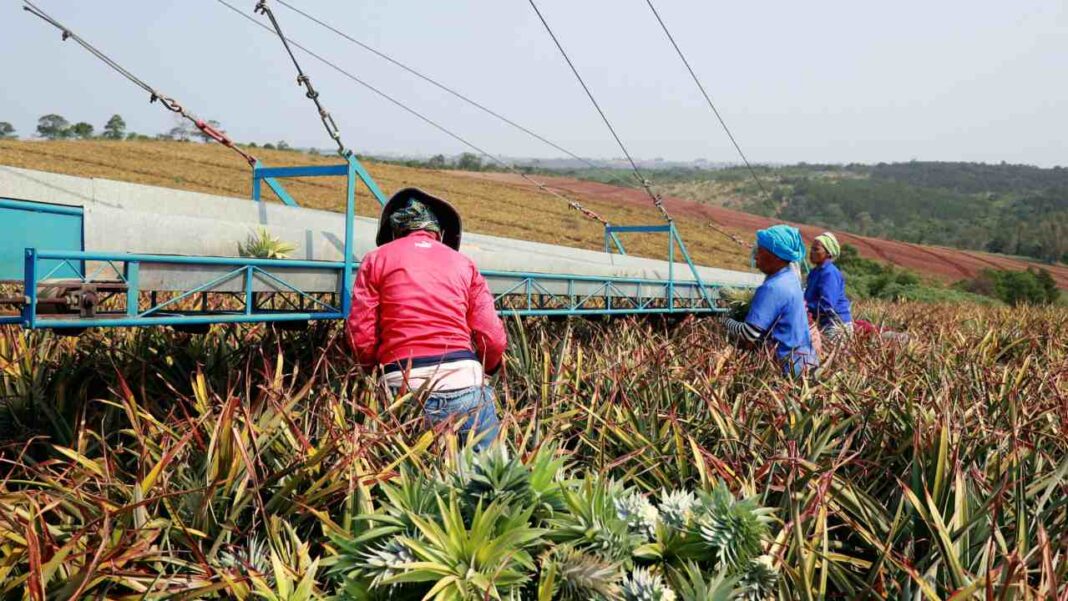
Fiji’s pineapple production has shown significant growth of about 45.5% from 2023 to 2025, reaching about 12,499.2 tonnes by 2025. However, the volume of exported pineapples amounted to only 16.5 tonnes during this period, which means that exports contributed about 0.13% of total production volume. The large discrepancy between Fiji’s agricultural potential and its position in the global market is evident.
New Zealand is likely one of the potential foreign markets for Fijian pineapples. Fijian representatives in agricultural trade reported that New Zealand imported around 9.7 million kg of pineapples in 2024, which indicates that Fijian producers can have a big market demand in that country.
Still, this initiative is aimed not only at creating appealing packaging and advertisements. It will also ensure the introduction of improvements in farming practices, as well as constant quality control, better packaging, and enhanced product traceability. Moreover, the initiative will be focused on producing more valuable products like pineapple juice and dried fruits.
Critically, the national pineapple brand and its identity components will stay in the possession of the government of Fiji, thereby guaranteeing that the agricultural identity of the state is preserved nationally.
The New Zealand trade commissioner for the PITI, Glynis Miller, says boosting production may not help unless farmers are able to differentiate their goods and attract consumer trust to increase their share of value added through international trade.
The critical question remains whether Fiji can convert its large harvest into a recognized agricultural brand at the international level. For its growers, particularly women and youth in rural areas, this answer may decide whether pineapples will become anything other than just a local crop.