
Hypertension poses a significant public health challenge in the Solomon Islands, necessitating immediate action. On October 23, 2026, the Pacific Media Network (PMN) ran a news story about measures that have to be taken to tackle hypertension, which was mentioned in the statement made by Dr. George Malefoasi, who is the CEO of the Solomon Islands National Referral Hospital, at the 77th meeting of the World Health Organization (WHO) Western Pacific Regional Committee that took place in Manila from October 19 to October 22, 2026.
Hypertension is dangerous because most people suffer from it without being aware of it until some complications occur. According to the WHO’s fact sheet, about 1.4 billion adults aged between 30 and 79 lived with this problem in 2024. Nearly 44% of those affected were unaware of their condition, while around a quarter of this group was getting proper treatment.
However, the Solomon Islands face the challenge of addressing the problem that goes beyond personal health choices. Remote living conditions influenced by poor resources and lack of healthcare professionals render the procedures of screening, diagnosing, and treating exceedingly difficult.
Dr. Malefoasi has appreciated the proposals in the context of the regional action plan and claims that hypertension is an important aspect in the development of heart diseases, strokes, disabilities, and premature deaths. He believes that it is essential to coordinate national services, as the methods of diagnosis and prevention in the communities need to be available through the conventional healthcare system.
The current projects within this area can provide an excellent example for implementation. The country has already initiated several projects, including a campaign called 10,000 Toes, Solomon Islands Package of Essential Noncommunicable Disease Interventions, and workplace health screenings.
Moreover, the dietary aspects play an equally important role. For instance, Dr. Chester Kuma announces that inappropriate dietary habits lead to lifestyle illnesses throughout the Pacific. He emphasizes that consuming foods belonging to the traditional group, such as taro and greens, can serve as effective preventers of diseases.
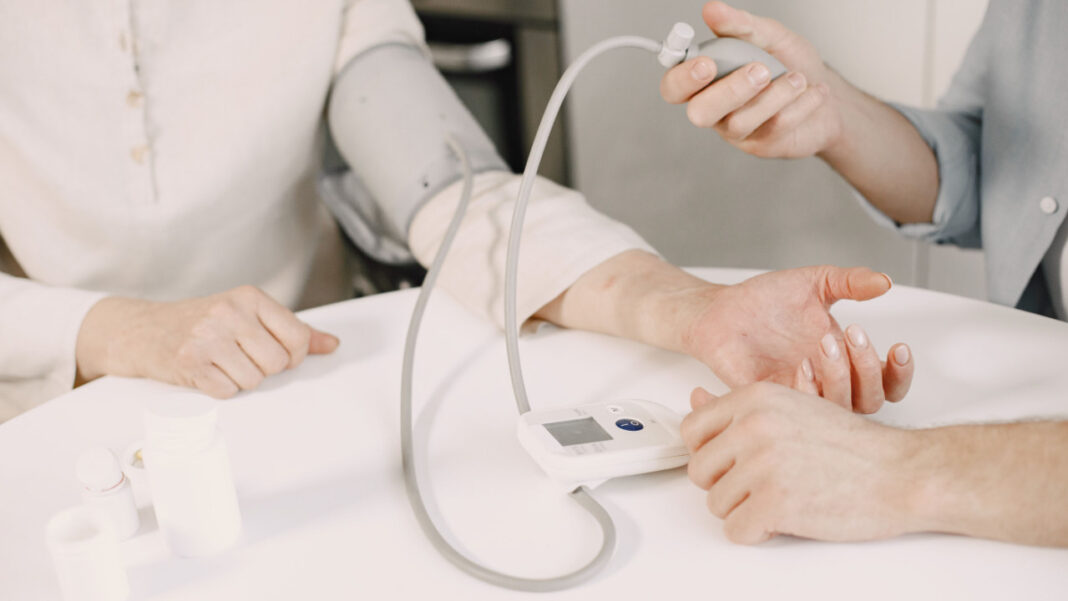
However, a bigger problem lies in bringing awareness to action. Though measuring blood pressure is a matter of a few minutes, the existence of permanent measures regarding screening, medicines, and aftercare provision is something that requires significant financial investments and a skilled workforce.
While the Solomon Islands seeks better cooperation with its neighboring countries, it is important to understand whether countries will take serious measures to bring commitment to life in their respective communities or not. Detecting and preventing complications from a disease that can go undiagnosed for years is the most challenging battle.