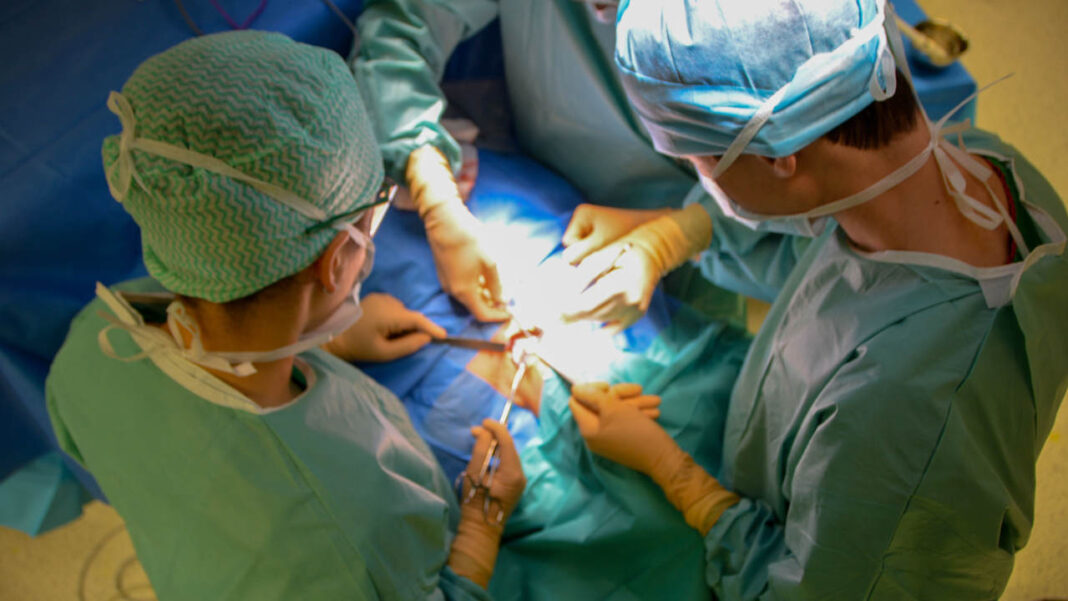
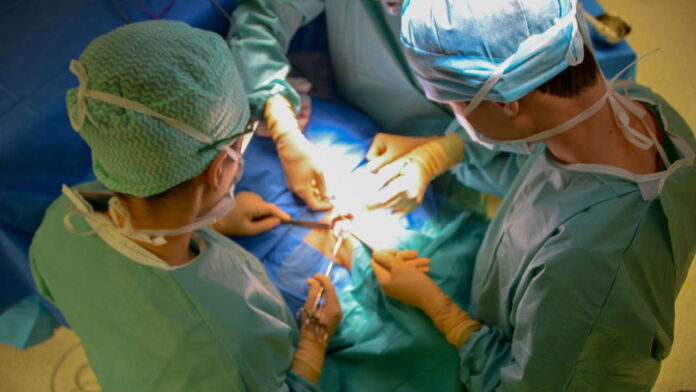

Months after announcing that it had achieved an impressive 800-plus kidney transplants as part of its programme, Sheikh Khalifa Medical City (SKMC) in Abu Dhabi is again in the limelight, following the announcement that it has converted into a huge success story by performing more than 845 kidney transplants. This announcement has come as a blessing for all the countries that are trying to improve their organ transplantation systems in their quest to accomplish the best organ transplantation system in the world.
In fact, a successful model that includes specialised hospitals, national regulation, and donation has driven the UAE‘s progress towards a world-class system for organ transplantation. ‘SKMC stated that it performed 134 kidney transplants and 37 liver transplants throughout the year 2025. The count of successful organ transplants is very significant because it can save lives.
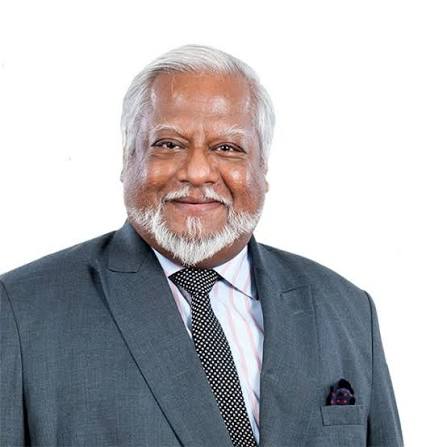
The Chief Executive Officer of Sheikh Khalifa Medical City – SEHA, Mr Badr Al Qubaisi, defined the hospital as the centre for the treatment of the most complex cases, emphasising that all disciplines come together in a single place. Mr Al Qubaisi’s statements show that there is a national strategy according to which the UAE is not merely treating organ failure but, among other things, is creating conditions for people to avoid travelling abroad for treatment.
The law has played an important role in this country’s progress as well. An amendment passed in 2016 introduced a legal framework for organ donation and transplantation and made organ trafficking illegal, and this piece of legislation was supplemented by a lot of regulations on donor registration, licensing and organ allocation. In the framework of these rules, the Hayat scheme enables 21-year-old Emiratis and other residents to register their wish to donate their organs after one’s death according to rules approved by the medical society and the law.
The UAE’s strategy notably focuses not only on the present but also on the future. Health officials are increasingly using artificial intelligence to resolve issues related to waiting lists and optimise recipient-donor matching, thus allowing surgeries to be performed more efficiently. In this field, where the concept of time always comes first, it can be said that such a breakthrough might be as crucial as the surgery itself for the patients.