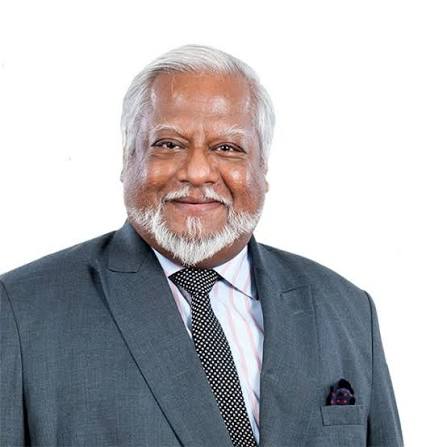

The British television industry is facing a severe funding crisis, which BAFTA-winning director Peter Kosminsky describes as the worst he has seen in his career. Speaking in an exclusive interview, the Wolf Hall director expressed concerns that the lack of financial backing is leading to self-censorship, with many provocative, public-interest dramas unable to secure the necessary funds for production.
The crisis has become a dominant issue in the UK’s scripted television sector, exacerbated by a combination of factors. U.S. streaming services have been scaling back on co-productions, international sales advances have declined, inflation remains persistent, advertising revenue has fallen, and the BBC has been dealing with budget cuts. According to Pact, the UK producer trade body, approximately 15 British series have been greenlit but are currently unable to move into production due to funding shortages. The BBC has acknowledged that several of its projects are in limbo, including A24’s adaptation of the Booker Prize-winning novel, Shuggie Bain.
Kosminsky believes the problem will escalate further, not only because more projects will become stuck in financial uncertainty but also because producers, directors, and writers will hesitate to propose new ones, knowing the likelihood of securing funding is slim. He warned that this could lead to “silent, insidious self-censorship,” making it increasingly difficult to produce dramas similar to Mr. Bates vs The Post Office and Three Girls, both of which had significant societal impact.
He likened the situation to the decline of steel manufacturing in the UK, forcing skilled professionals to retrain, retire, or find alternative employment. Kosminsky fears that the country will lose its tradition of creating high-quality television drama if funding remains an issue. He expressed particular concern over the impact of international streaming services, which may not prioritize UK-specific dramas due to their limited global appeal.
One example he pointed to is a BBC-commissioned three-part drama about the Grenfell Tower fire. While the project remains active following the public inquiry, Kosminsky admitted that, given the current financial climate, he is unsure whether he would have pursued the series. He acknowledged that producing a drama of this scale, involving extensive special effects and a large cast, raises significant financial challenges.
Kosminsky recently made headlines when he revealed to lawmakers that actor Mark Rylance had taken a substantial pay cut to ensure Wolf Hall Season 2 was made. He also disclosed that he himself worked on the project unpaid for certain periods, driven by a sense of duty to honor author Hilary Mantel, who passed away in 2022.
To address the funding crisis, Kosminsky has proposed a measure that would require major streaming platforms such as Netflix and Amazon Prime Video to contribute 5% of their UK subscription revenue to a cultural fund dedicated to British content. He highlighted that similar schemes exist in 17 other countries, including France and Germany. The director has previously met with government officials to discuss this proposal, though ministers have not shown interest in implementing it. Creative Industries Minister Sir Chris Bryant stated that there are no current plans to introduce such a levy in the UK.
Multiple industry experts worry that a levy could disrupt the UK’s television production ecosystem, particularly given the high levels of investment from streaming giants in British-made series like The Gentlemen and Slow Horses. However, Kosminsky remains unconvinced by this argument. The British Film Institute (BFI) is currently reviewing streamer levies and expects to publish its findings in the summer.
Kosminsky has also dismissed the idea that expanding tax credits would solve the funding problem. He believes that offering tax breaks for lower-budget productions would not be enough to close financial gaps and could instead lead to inflationary pressures, as streamers would take advantage of UK incentives to produce content with international rather than domestic audiences in mind.
Despite the financial challenges, Netflix has demonstrated that British-themed dramas can still find global success. Shows like Baby Reindeer and Fool Me Once have attracted large audiences worldwide, though they do not necessarily focus on urgent UK-specific social issues. Kosminsky noted that while he does not believe streaming services are deliberately undermining politically charged dramas, their financial model has unintentionally led to a decline in these types of productions.