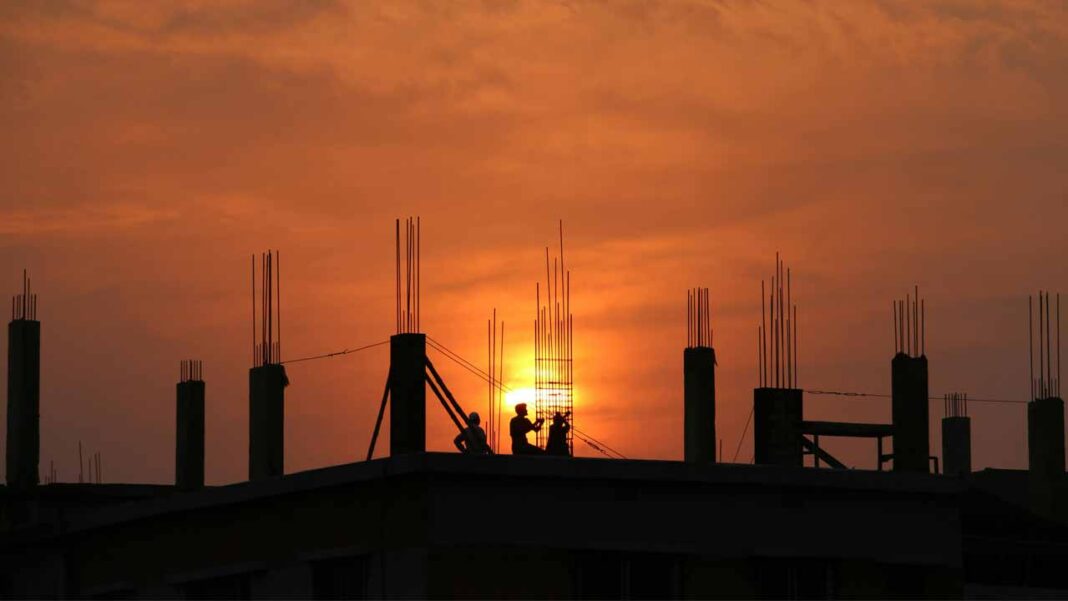

Africa (Commonwealth Union) _ Construction titan Julius Berger Nigeria PLC has begun scaling back operations across Rivers State, citing prolonged non-payment from the state government as the cause. Despite consistent federal allocations and robust internally generated revenue, the state’s current administration has reportedly failed to uphold its financial commitments.
An exclusive report by NigerDeltaInsider reveals that the construction giant has withdrawn personnel and halted activities at several flagship projects, including the ambitious Port Harcourt Ring Road. According to sources within Julius Berger, payments that were once routinely processed have stalled indefinitely. Frustrated efforts to recover owed funds have been met with vague assurances and no resolution from state officials.
“Contractors and teams are essentially on standby,” said a company insider. “The financial freeze has disrupted workflow and placed thousands of jobs in limbo.”
Field reports confirm a sharp reduction in workforce across sites. At the Port Harcourt Ring Road project, the number of active workers has plummeted from 800 to under 300. Similarly, despite reaching a high activity phase, operations at the Buguma-Degema road in the Emohua region have come to a halt.
An employee affected by the freeze expressed deep concern: “We’ve completed nearly 30% of work in Emohua and over 60% on the Ring Road, but we’ve been told to leave the site and wait. If there’s no payment by end of June, full demobilisation is likely.”
Such a withdrawal would mean widespread abandonment of infrastructure projects, leaving communities stranded, jobless, and vulnerable to rising insecurity. “These projects kept locals engaged and out of crime,” the worker lamented.
In 2023, Julius Berger inked a ₦195 billion deal with the state to construct the 50-kilometer Ring Road connecting five local government areas. Governor Siminalayi Fubara, now suspended, had lauded the firm’s track record during the contract signing, emphasizing a 30% upfront payment and pledging timely delivery.
Fubara had also commissioned the 19.7 km Kalabari Road, reassuring the Kalabari people of infrastructural transformation. The future of his promises is now uncertain.
As uncertainty mounts, affected communities and Julius Berger’s workforce anxiously await government action. For many, the current impasse represents more than halted construction; it threatens livelihoods, stability, and the promise of development.