In a historic meeting at Kuwait‘s Ahmad Al-Jaber Oil and Gas Exhibition in Ahmadi, ministers and specialists of the six member states of the GCC met July 1–3 for a three-day workshop to frame the critical energy infrastructure of the region in the face of numerous threats. Hosted by the United Nations Office of Counter-Terrorism, Kuwait Oil Company (KOC), and GCC Emergency Management Center, the session is representative of Kuwait’s central position in global energy security.
GCC Secretary-General Jassem Al-Budaiwi officially opened the session, reaffirming that Gulf oil shipments are an “integral pillar of global supply,” and emphasizing ambitious development plans that will simultaneously boost regional energy consumption. He reminded representatives that the Asia-Pacific region—projected to contribute half of world GDP by 2040—will increasingly be dependent on Gulf oil and gas, fueling the need for solid infrastructure.
Security specialists noted that the three most important sea chokepoints that abut the Gulf—Strait of Hormuz, Bab al-Mandab, and Suez Canal—are the way by which nearly a twentieth of global oil moves each day. Tankers move about 20 million barrels per day through the Strait of Hormuz alone, accounting for 20 percent of global petroleum liquids consumption, highlighting the significant impact of any closure on global markets.
United Nations Under-Secretary-General for Counter-Terrorism Vladimir Voronkov, addressing remotely via video link, underscored the timely significance of UN General Assembly Resolution 77/298, strongly condemning terrorist attacks against energy infrastructure and urging strengthened cooperation among states, international organizations, and the private sector. He also launched a new technical guide, sponsored by Russia and Turkmenistan, to enhance protection of strategic energy facilities against terrorism, developed through intensive international consultations.
UN Resident Coordinator to Kuwait Ghada Al-Tahir received the four decades of Gulf leadership in safe provision of energy and sustainable development and pointed out that the workshop is an inaugural platform for sharing the best practices in crisis management and cyber-security of the oil and gas industry. GCC Emergency Management Center’s Dr. Rashid Al-Marri also presented a regional emergency program on 13 specific risk scenarios ranging from pipeline sabotage to natural disasters.
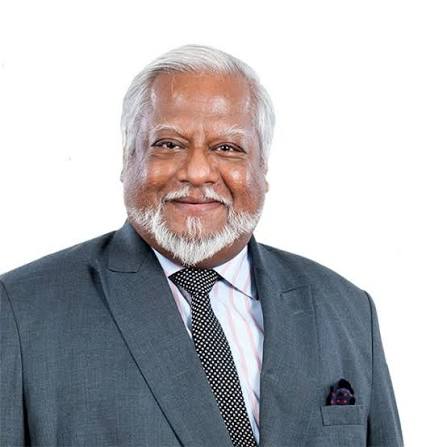
KOC Assistant CEO Musaed Al-Rasheed rounded off the workshop by urging further collaboration on maritime security, cautioning that “geopolitical tensions, industrial accidents, and cyber-attacks threaten our supply chains ever more”. As Gulf countries grapple with the dual challenges of transitioning away from hydrocarbons and increasing domestic consumption, this summit-level convergence in Ahmadi could potentially serve as a pivotal moment in safeguarding the global energy infrastructure in the future.