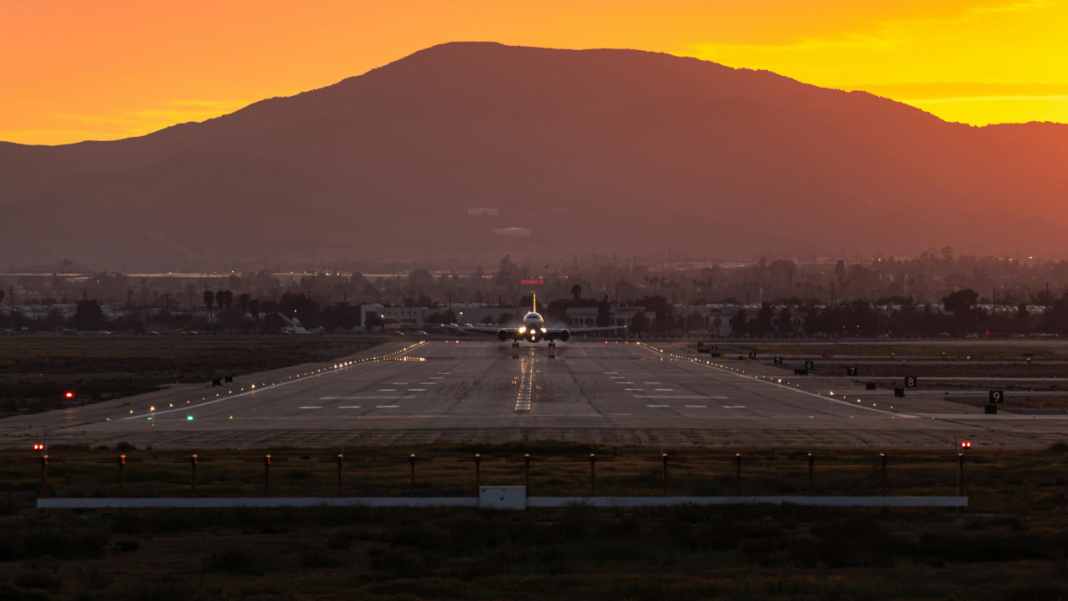

Environmental (Commonwealth Union)_ The UK government’s go-ahead for Gatwick Airport‘s second runway is greater than an example of infrastructure growth; it is a representation of the ever-present tug-of-war between economic growth and environmental responsibility in the climate-conscious age. The £2.2 million growth project, approved on Transport Minister Heidi Alexander‘s signature alone, will create 14,000 jobs and boost trade and tourism by offering the capacity to meet anticipated passenger demand through the 2030s. But under these economic benefits lies a knotty web of environmental concerns and legal challenges that could define Britain’s ability to balance growth with its far-reaching net-zero ambitions.
The approval process itself makes the government’s attempt to balance competing priorities clear. By requiring a 12-meter runway relocation to meet safety standards while also emphasising the use of sustainable aviation fuel (SAF), officials have tried to position this expansion as a “green development.” The Department for Transport’s tactful language in describing alignment with net-zero goals suggests awareness of the controversy over airport growth during a climate crisis. This is also in line with other efforts to rationalise Heathrow’s expansion, marking a trajectory of aviation infrastructure development in confrontation with the boundaries of acceptable environment.
The timing of the expansion is particularly significant. While the UK constructs new trade relationships after Brexit and revitalises its economy, Gatwick’s enhanced capacity can become a vital link. Offering 14,000 jobs would significantly boost employment in the Southeast region. Economic gains must still be offset, however, by the projected carbon rise in spite of SAF utilisation and the local ecosystem destruction that could be triggered. The government’s argument that green fuel will balance out the environmental impact remains contentious, as SAF technology currently accounts for only a fraction of aviation fuel consumption and faces its own production challenges.
Opposition at the local level has been quick and adamant, with green groups and community action groups threatening litigation. Their complaints extend beyond the short-term noise disturbance and increased traffic volume to broader issues of whether airport growth is incompatible with the UK’s climate responsibilities. Future legal battles may set important precedents for evaluating infrastructure projects under climate legislation and even redefine what it takes to achieve “sustainable development” in aviation.
Gatwick’s expansion then becomes a microcosm for an international dilemma: how to reconcile necessary economic development with unrelenting climate goals. The government’s approval suggests trust that technologies like SAF can plug this gap, but the green movement claims it is evidence of risky optimism about untested technologies. With both sides readying themselves for likely legal battles, the outcome will decide not just Gatwick’s destiny but the direction of transport policy across Britain, testing whether economic prosperity and environmental protection can truly be both, if not now then at least in aviation or whether they are inherently hostile priorities.