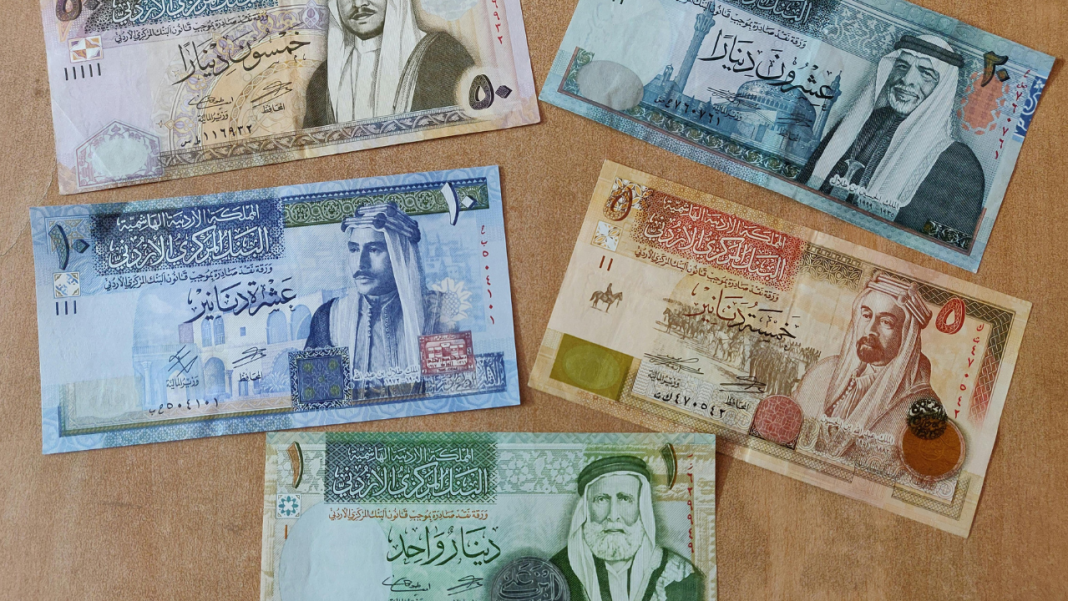

Jordan and Syria are not only building on their previous relationship through dialogue. They are now working toward a working relationship, not just a dialogue, by having an in-person meeting this week to share technology with Jordan’s central bank, including the creation of a digital currency, and other opportunities. The meeting comes just before the arrival of Abdul Qader Hasriya, the Governor of the Central Bank of Syria, on December 3. This represents the beginning of a new era of cooperation and collaboration in the financial sector within the region as Jordan and Syria work together to rebuild and create a more efficient financial system.
Jordan’s Central Bank Governor, Adel Sharkas, said, “This meeting is an initial step towards both rebuilding our financial relationships with each other and creating new financial partnership opportunities based on mutual goodwill and recognition as nations sharing geographical borders. Additionally, both countries intend to use this meeting as an opportunity for them to share with one another the necessary tools and resources needed to improve their banking supervisory capabilities and the ability to offer electronic payment services and enhance inclusiveness in finance through effective regulation. Topics for discussions include building strong electronic banking platforms, maximizing the utilization of technology and financial resources, and enhancing the regulatory capacity of both nations.”
The meetings were the result of last month’s delegation visit from Syria to the Banking Studies Institute of Jordan and the Jordan Fintech Academy. The actions taken by both countries reflect an increasing commitment to develop their economic relationship through financial cooperation. The steps that Jordan has taken thus far include the training of 16 Syria Central Bank employees on university campus-based courses and the placement of teams in Syria, who provided on-site technical assistance to the Syrian Central Bank. Sharkas mentioned that the “sandbox” method, which Jordanian FinTech companies and the Jordanian Central Bank are using, could serve as a model for the region because it lets innovators test their products and services in a controlled way while managing the risks of creating digital payment or loan services. Additionally, Jordanian banks, noted for having a strong regional reputation, are also actively considering entering the market in Syria with a focus on providing support to reconstruction financing and new businesses.
While the financial sector is one area of focus, the meetings also signify a thaw in diplomatic relations between Jordan, Lebanon, and Syria. The recent discussions between Jordan, Lebanon, and Syria have led to public offers by Jordan to help reconnect the electrical grid between Jordan and Syria. These multidimensional cooperative arrangements (linking finance, purchasing energy, and ensuring food security) indicate that policymakers have a broader perspective than simply providing bilateral assistance to achieve stability.
For those needing to understand the scope of the problem, it is important to note that building back the financial networks of Syria will take time; however, through exchanging expertise in technology and laws, it is possible to reduce fees associated with moving money between countries, which would also stimulate new private sector investments. Furthermore, opportunities for new joint ventures in FinTech and partnerships with Jordanian banks coming into Damascus will greatly benefit small businesses and entrepreneurs in both markets with faster payment processing times, better access to capital, and access to new digital financial services.
We are looking to see if this initial round of talks between the Hasriya and countries in the Levant may establish a foundation for future cooperation during the reconstruction phase to develop future cooperation on training and development programs for regulatory policies, as well as creating new business opportunities.