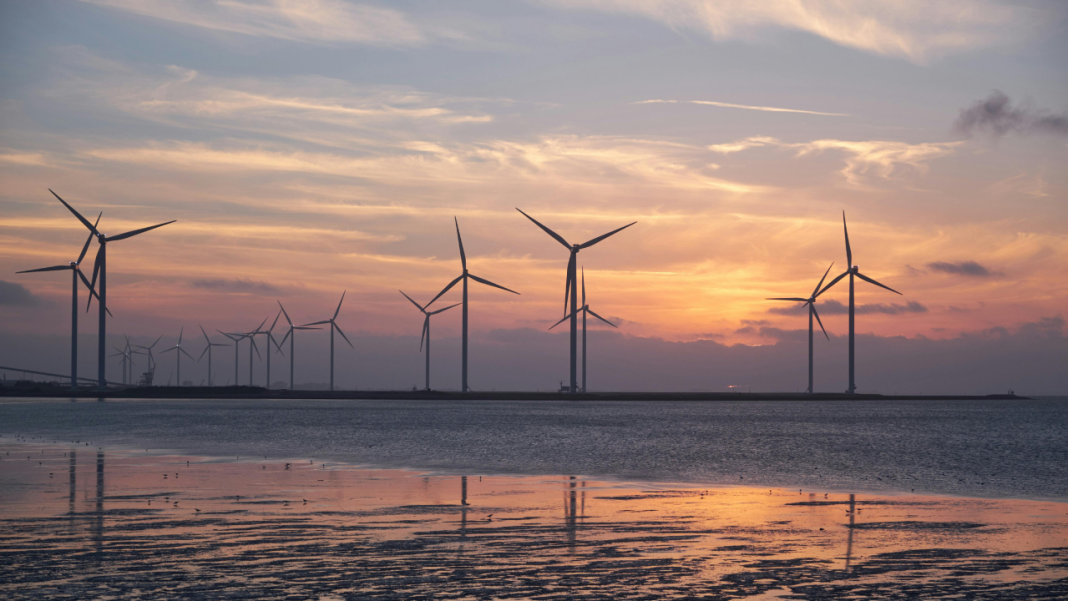

Washington, D.C. In a move that has shaken the U.S. renewable energy sector, the Trump administration announced on the 22nd of December 2025 the immediate pause of five major offshore wind projects along the East Coast. The decision has sparked controversy, as officials justified it as necessary to protect national security, over its potential impact on the development of clean energy, jobs, and the climate commitments of the United States.
The projects affected include ‘Vineyard Wind 1’ off Massachusetts, ‘Revolution Wind’ serving Rhode Island and Connecticut, ‘Sunrise Wind’, ‘Empire Wind 1’ off New York, and the ‘Coastal Virginia Offshore Wind (CVOW)’. All combined, these projects represent billions of dollars in investment, thousands of jobs, and a significant portion of the nation’s planned offshore wind capacity. Advocates had projected that these turbines would not only supply clean electricity to millions of homes and businesses, but by doing so, they would also reduce carbon emissions and enhance energy security.
The Department of the Interior, which typically oversees offshore energy leasing, cited concerns that the large turbines could interfere with military radar systems. Secretary Doug Burgum mentioned that the pause “addresses emerging national security risks, including vulnerabilities posed by large-scale offshore wind projects located near critical infrastructure and populated coastlines.” Officials say the pause will allow federal agencies to also assess whether the projects could pose legitimate security threats and determine mitigation strategies.
However, critics have raised questions regarding the timing and substance of these claims. Many of these projects have undergone years of rigorous reviews by the state and federal agencies, including consultations with the Department of Defence as well as the Coast Guard. Renewable energy advocates argue reviews found no credible security risks, with projects minimising radar interference.
National security expert Kirk Lippold, a former U.S. Navy commander, has publicly challenged the administration’s rationale, emphasising that offshore wind development contributes to energy expansion, a factor that itself strengthens national security. “These projects have been evaluated with Defence Department input throughout,” Lippold said. “Halting them now appears politically motivated rather than based on genuine security concerns.”
State officials and industry leaders responded swiftly, warning them that the pause threatens jobs and investment as well as energy reliability. Massachusetts Governor Maura Healey described the action as “unlawful” and said it jeopardises economic benefits already flowing from the projects. Some environmental groups, including the Environmental Defence Fund, labelled this very move a “serious obstruction” to clean energy development at a time when U.S. energy needs are growing rapidly and climate action is urgent.
Dominion Energy, the company behind the Coastal Virginia Offshore Wind project, emphasised the serious economic implications of the administration’s decision. “This pause threatens not only thousands of jobs but also the reliability of the electrical grid and essential energy infrastructure, including data centres and military installations,” the company warned. The Trump administration’s move comes amid longstanding political opposition to renewable energy, especially offshore wind. President Trump has repeatedly criticised wind power as inefficient and unsightly while prioritising fossil fuel development. Many analysts and energy observers interpret the pause as a broader strategy to slow the growth of renewable energies in favour of traditional energy sources.
Financial markets responded with some volatility, as shares of major offshore wind developers such as Denmark’s Ørsted and Norway’s Equinor declined amid uncertainty over the pause. Experts note that while the decision could affect near-term investment in U.S. renewable energy, it reflects the administration’s stated priority of evaluating national security implications. States, developers, and environmental organisations are preparing for potential legal challenges, underscoring the ongoing debate over balancing energy development, economic growth, and security considerations in the country’s transition toward a resilient energy futu