
Pacific governments, security experts, and regional analysts are closely monitoring a sharp escalation of U.S. military activity linked to Venezuela and maritime operations, amid concerns about stability, sovereignty, and even about the impacts on Pacific Ocean waters. The developments come as the United States expands its campaign against what it calls ‘drug trafficking networks’, with strikes reaching deeper into international waters that connect to the Pacific region.
On January 4, 2026, the United States claimed responsibility for a major strike inside Venezuela, which it says targeted a dock used to load boats with drugs and resulted in the capture of President Nicolás Maduro and his wife. The operation, described by U.S. officials as part of an “armed conflict” against narcotics‑related threats, reportedly killed at least 40 people in what is believed to be the first known land‑based strike inside the South American country since Washington’s pressure campaign began.
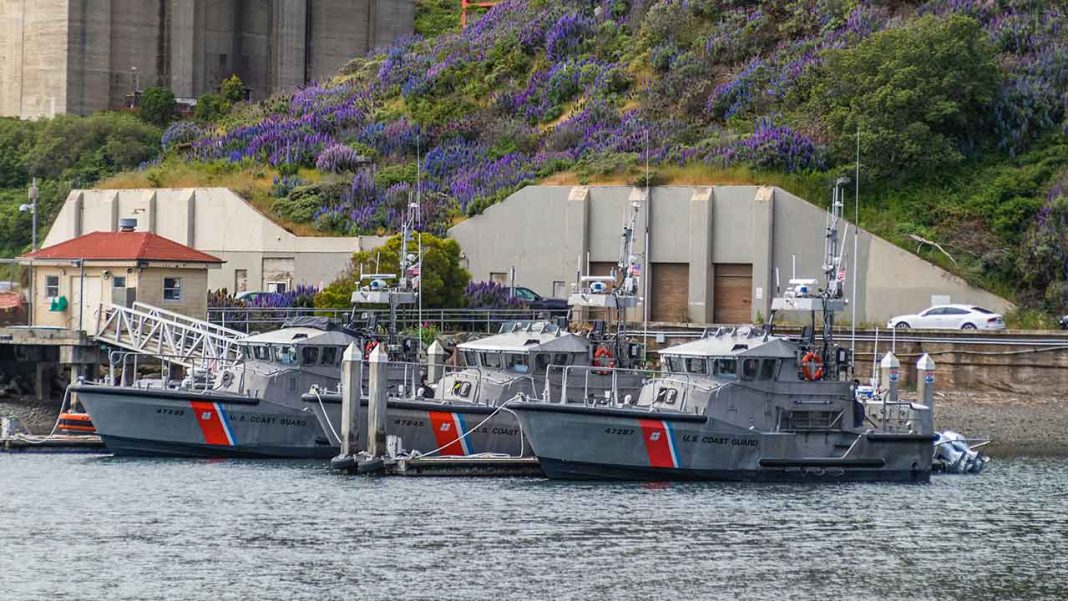
At the same time, the U.S. military has confirmed another deadly attack on a suspected drug smuggling boat in the eastern Pacific Ocean, killing at least two individuals described by U.S. Southern Command as “narcoterrorists.” The expanding military operations, according to Pacific observers, are increasingly blurring the boundaries between law enforcement and warfare, causing concern among island states that rely on stable seas for fishing, cargo routes, and economic sustenance.
New Zealand foreign policy groups have criticised the strikes as challenges to the rules‑based international order and have called on their government to formally condemn what they characterise as aggressive U.S. actions. Critics argue and debate that Washington’s revived emphasis on the Monroe Doctrine, asserting hemispheric influence, risks drawing Pacific states into geopolitical tensions far from their shores.
Experts warn that expanding military activity in Pacific waters could disrupt maritime trade and fishing, intensifying already complex security dynamics for small island states. Former Pacific Islands Forum leaders and regional voices have repeatedly called for the Pacific to be regarded as a “zone of peace”, free from great-power military competition.
While the U.S. maintains its strikes are aimed at curbing drug flows that harm its citizens, Pacific nations continue to urge greater transparency, respect for international law, and restraint to ensure that distant conflicts do not undermine the region’s own security and prosperity.