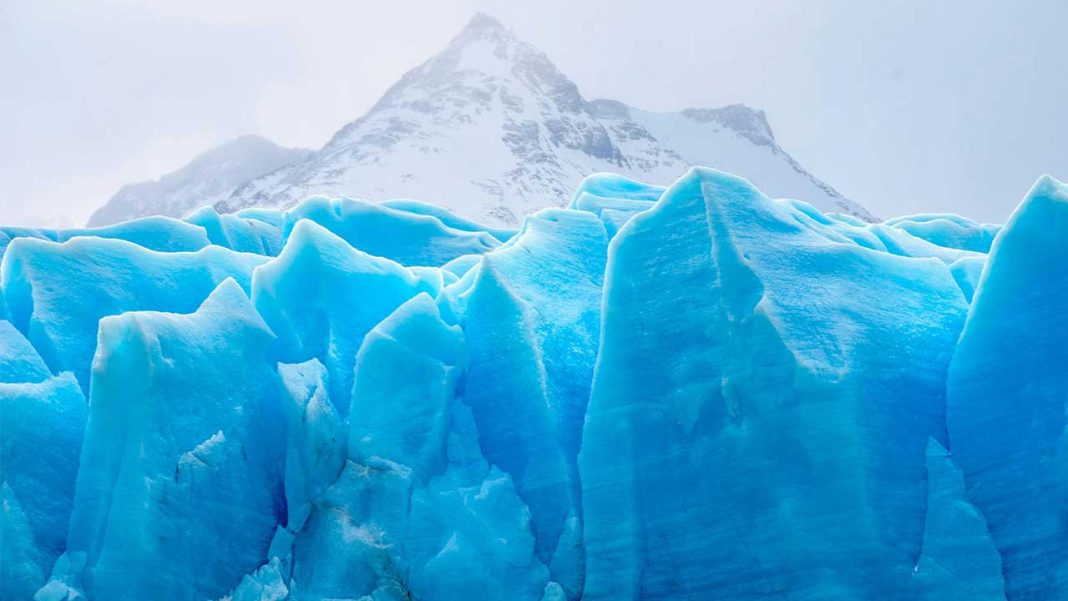

Scientists have uncovered a startling seismic phenomenon beneath one of the most unstable ice formations on Earth. Hundreds of previously undetected earthquakes are shaking the Thwaites Glacier in West Antarctica, also known as the Doomsday Glacier. The finding, published recently in Geophysical Research Letters, reveals a trove of low‑frequency seismic events that may signal deeper instability in a part of the world critical to future global sea levels.
Thwaites Glacier has long been a focus of climate science because it is melting at an accelerating pace and holds enough ice to raise sea levels by up to three metres (10 feet) if it were to collapse entirely. While scientists have known about its precarious state for years, this new seismic evidence suggests that processes within and around the glacier are more active and potentially more concerning than previously understood.
However, the reported quakes in this particular study differ from the typical earthquakes that shook cities and landscapes. Instead, these quakes are only glacial. Which means these are seismic events generated when massive icebergs break off or turn over, which produces low-frequency seismic waves that traditional global earthquake detection networks often tend to miss.
Dr. Thanh‑Son Pham, a seismologist at the Australian National University, led the research by analysing data from seismic stations placed directly in Antarctica. Over more than a decade (from 2010 to 2023), his team detected 362 distinct glacial seismic events, including 245 events clustered around Thwaites Glacier’s marine terminus, where the glacier meets the sea.
This innovative approach, using local sensors rather than relying on the worldwide seismic network, allowed researchers to uncover a hidden pattern of glacial activity that would otherwise go unnoticed. In Greenland, similar iceberg‑generated quakes have been known for years and tend to vary with seasonal temperature changes. But in Antarctica, these quakes do not align with air temperature cycles, suggesting that other forces, such as ocean‑driven changes in glacier flow, may be at work.
These quakes near Thwaites appear to primarily stem from the ice dynamics of the glacier. While the warming oceans as well as the atmospheric changes are what drive Thwaites, which is located in West Antarctica, to shed ice. Large icebergs can detach as well as turn over, which ultimately causes ground vibrations like earthquakes.
Other glacial quakes found in the study occurred near the Pine Island Glacier, another major contributor to Antarctic ice loss. These events occurred farther inland, presenting researchers with a puzzle; they do not fit the classic iceberg‑capsizing model and may involve more complex stress and fracture dynamics within the ice itself. Scientists say these inland events “remain puzzling and warrant further investigation.”
The discovery of so many glacial earthquakes beneath Thwaites not only expands scientific understanding of this remote region but also highlights the glacier’s structural fragility. Thwaites is often described as a keystone of the West Antarctic Ice Sheet; it acts like a cork holding back inland ice. By any chance, if it weakened or collapsed, it could trigger a much larger release of ice into the Southern Ocean, which would also contribute to rapid sea-level rise that would disrupt the impact of coastal nations around the globe.
While these quakes remain a threat to populated areas, they describe the more dynamic and unstable reality of a glacier that is already under strain from climate change. Continued monitoring and more detailed modelling of these seismic signals could provide new insights into how ice sheets respond to warming oceans, which could help scientists refine predictions for future sea-level rise and give policymakers a clearer understanding of how quickly Arctic and Antarctic ice may disappear.