
Harmful algae blooms, often called “red tides,” are appearing more often and lasting longer in many parts of the world. These blooms can turn water toxic, kill marine life, and force authorities to close beaches and lakes because they are unsafe for people. One of the most serious cases is now happening in southern Australia, where a toxic algae bloom has lasted for nine months, stretched across thousands of miles, and caused the deaths of many marine animals.
For years, scientists have mainly blamed these dangerous blooms on excess nutrients flowing into rivers, lakes, and oceans. Farms, sewage systems, and factories release large amounts of nitrogen and phosphorus into rivers and lakes. These nutrients act like food for algae and help them grow very quickly.
When too much algae grows, it creates serious problems for the water. After the algae die, they begin to decompose. This process uses up oxygen in the water. As a result, “dead zones” form where fish and other aquatic animals cannot survive. Scientists now say there is another factor making the situation worse.
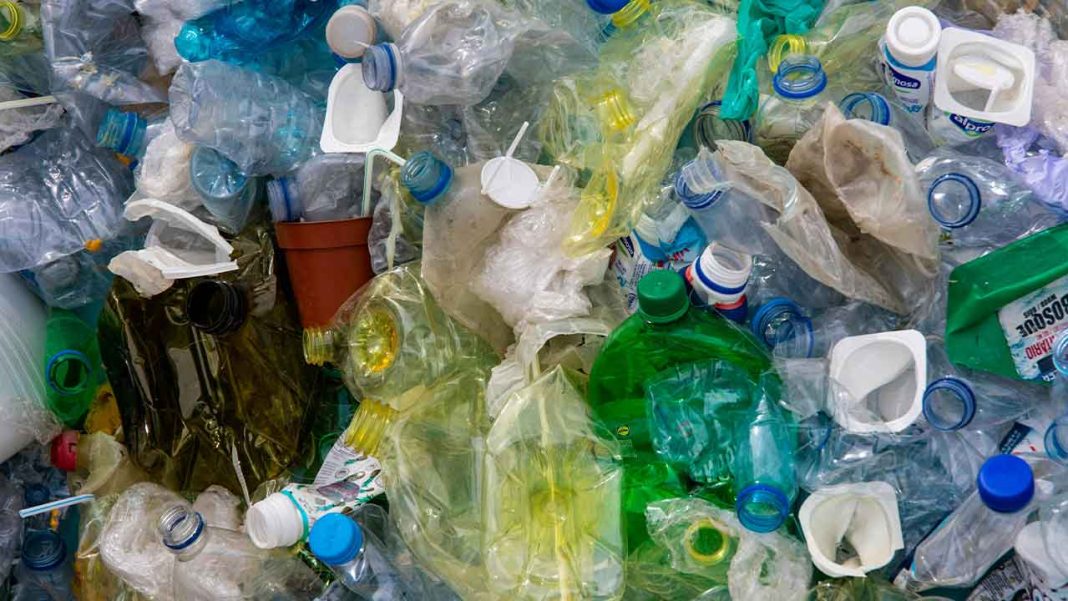
New research from the University of California San Diego points to plastic pollution. Plastic waste is found across the planet, from deep oceans to Arctic ice. Human blood and organs like the lungs and brain contain microplastics, tiny pieces of plastic that break down over time. To mitigate these risks, scientists are developing biodegradable plastics that are safer for people and the environment.
To better understand how plastics affect nature, researchers at UC San Diego carried out a three-month experiment using 30 artificial pond ecosystems. They compared traditional petroleum-based plastic with newer biodegradable plastic made from plant-based materials. Some of the biodegradable plastic used in the study was developed in UC San Diego laboratories and is now sold by a university spinoff company called Algenesis.
The researchers wanted to see how different plastics affect entire ecosystems, not just individual species. According to Professor Jonathan Shurin, the senior author of the study, scientists still know surprisingly little about how plastic pollution changes the balance between algae, animals, and microbes in natural waters.
The experiment revealed a clear difference between the two types of plastic. In ponds that contained petroleum-based plastic, populations of zooplankton dropped sharply. Zooplankton are tiny animals that feed on algae and help keep their growth under control. They are also an important food source for fish and other aquatic animals.
When zooplankton numbers dropped, algae grew rapidly. With fewer animals to eat them, algae levels surged, creating conditions like harmful algal blooms seen in nature. Ponds with biodegradable plastic had smaller drops in zooplankton. In these ponds, algae growth stayed more balanced and did not explode.
Scott Morton, the study’s lead author, explained that petroleum-based plastic appeared to either kill zooplankton or stop them from reproducing. This created a chain reaction: fewer zooplankton meant more algae, and more algae increased the risk of toxic blooms. The study also found that plastics changed the bacteria in the water. Different plastics supported different bacteria. Scientists do not yet understand the reasons for these changes or their long-term implications. Researchers say microplastics can upset ecosystems and help harmful algae spread. Petroleum-based plastics appear to cause the most damage by disturbing the natural balance that controls algae growth.
While research on microplastics is still in its early stages, the scientists say their work supports a shift toward biodegradable plastics. These break down more safely in the environment and seem to harm aquatic ecosystems less.
Professor Michael Burkart, a co-author of the study, has spent years developing bio-based plastics that naturally degrade. These materials are already being used in products such as surfboards, flip-flops, and phone cases. He says it is essential to carefully study how new materials behave once they enter the environment.
The research team is now testing other types of biodegradable plastics, including “living plastics” that contain bacteria capable of breaking the material down at the end of its life. Their goal is to reduce the long-term environmental and health risks caused by the plastics that have become a daily part of modern life.