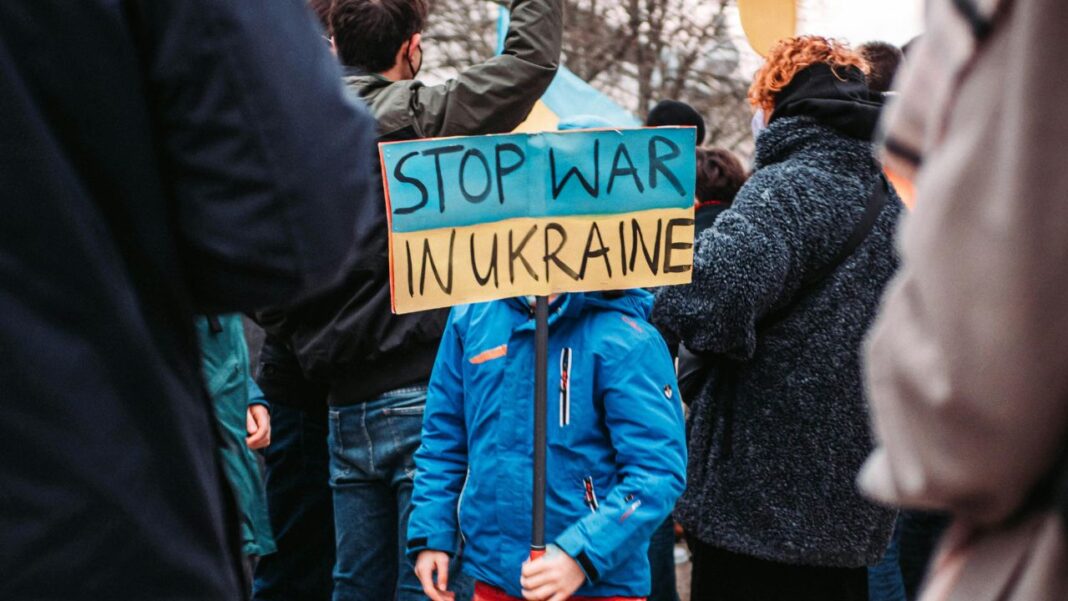

Entering its fourth year, the Russia–Ukraine war continues to shape Europe’s political fault lines and diplomatic efforts, with rising tensions across the continent influencing the conflict’s trajectory. A three-sided upcoming discussion involving Russia has been confirmed by President Volodymyr Zelenskyy of Ukraine. It is planned for early March as part of ongoing efforts to explore potential pathways toward a ceasefire and prisoner exchanges, alongside a broader agenda focused on Ukraine’s reconstruction and a long-term peace settlement.
The war, which has now stretched into its fourth year, has demonstrated that Kyiv, the capital of Ukraine, has proven far more resilient than initially expected, despite enduring continuous attacks from Russia. Ukraine has been stepping up its defenses, accelerating efforts to protect critical roads and infrastructure from drone strikes, underscoring the persistent security challenges it faces.
This prolonged conflict has also placed significant strain on European politics. Intensifying his criticism of both Ukraine and the European Union (EU), Hungarian Prime Minister Viktor Orbán used strong and heated language ahead of upcoming parliamentary elections. He also made claims and raised questions—without clear evidence—about Kyiv’s alleged role in regional energy disputes. His stance has sharply highlighted divisions within the EU at a time when unity is crucial for effective collective action.
These internal divisions have directly affected EU policy efforts. Earlier attempts to agree on a new package of sanctions against Russia and additional financial support for Ukraine were disrupted, with Hungary’s objections stalling progress. Analysts note that this reflects the broader challenge of maintaining a unified European position on strategy and sustained support for Kyiv.
Amid these developments, European leaders are pursuing diplomacy on multiple fronts. German Chancellor Friedrich Merz has traveled to China, aiming to balance trade concerns while urging Beijing to use its influence over Moscow in relation to the conflict. Meanwhile, debates continue within the EU regarding long-term support measures for Ukraine and the political costs of growing divisions among member states.
Despite the war’s grueling toll, Ukraine’s resilience and diplomatic initiatives indicate that Kyiv remains actively engaged in seeking solutions. At the same time, Europe continues to grapple with internal disagreements and evolving geopolitical pressures. With military, political, and diplomatic fronts all in flux, the conflict’s future course remains uncertain as leaders pursue negotiations alongside continued support.