Nicosia, Cyprus, October 13, 2026 – In a situation where a country succeeds in addressing the issue of children living in poverty in its territory while neighbouring countries still struggle against this challenge, Cyprus becomes a perfect example of resolving the problem since the statistics indicate that the number of children at risk of poverty and social exclusion has decreased significantly.The report on the implementation of the European Child Guarantee in the EU countries states that in 2025 14% of children living in Cyprus were at risk of poverty or social exclusion. This figure is considerably lower than 22.1% recorded for 2019. The decline by 8.1 percentage points is one of the most significant developments in EU member states, as reported by Cyprus Mail on Monday, October 12, 2026.Cyprus Ranks Among the Top Performers in EuropeAs a result of this improvement, Cyprus has ranked third lowest in the EU regarding this indicator, following Slovenia (12.5%) and the Netherlands (12.7%). On the other hand, the European scene is still alarming: 24.3% of EU children (around 19.3 million) were at risk of poverty or social exclusion as of 2025. The rate has increased by 0.6 percentage points since 2019.An important part of Cyprus’s reaction to that situation was the provision of early childhood care and education. The tuition and nutrition assistance scheme can reimburse at least 80% of expenses for eligible families with an upper limit of €350, depending, among other things, on family income and weekly hours of use.Based on the provided data, the number of eligible children has grown by as much as 40% to 10,596 children among 357 childcare centres over the indicated period. Furthermore, the participation of children under three years of age among those at risk of poverty and social exclusion in early childhood care and education has risen dramatically from 6.8% in 2019 to 26.5% in 2024.Healthcare and Housing Major AchievementCyprus recorded some significant achievements in two important areas connected to children’s welfare. In 2024, Cyprus managed to attain only 0.6% of children who needed healthcare services at that particular moment, and this helped Cyprus become one of the most successful EU states, along with Croatia (0.1%) and Malta (0.4%). On the other hand, the same can be said about housing, as in 2026 less than 2.5% of Cypriot children lived in households that experience overstretching costs – much lower than the EU average of 6.4%.Progress to be Translated into OpportunitiesThe obtained figures indicate that Cyprus has achieved solid results in terms of reducing childhood hardship; however, a lower national risk of poverty rate does not indicate that all vulnerable families with kids enjoy a successful financial life in Cyprus.The initiative of the European Child Guarantee seeks to provide children in need with essential services like educational, healthcare, food and housing services. The task for Cyprus now is to further enhance the results gained and ensure that the financial situation does not define child prospects.Success ultimately hinges not on the extent of poverty reduction but on whether every child has a fair opportunity in life.
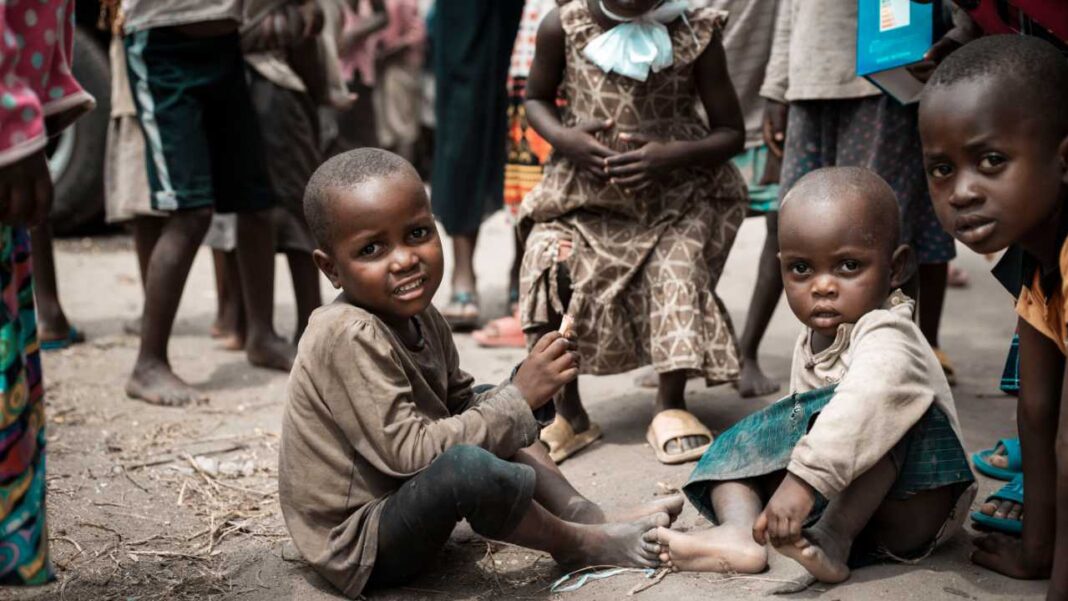
Cyprus Cuts Child Poverty Risk to 14%—What Is Behind Its Remarkable Eight-Point Drop?
- Advertisement -
(adsbygoogle = window.adsbygoogle || []).push({});

- Advertisement -![sitaramatravels.com]()
![sitaramatravels.com]()
Popular Categories
Previous article