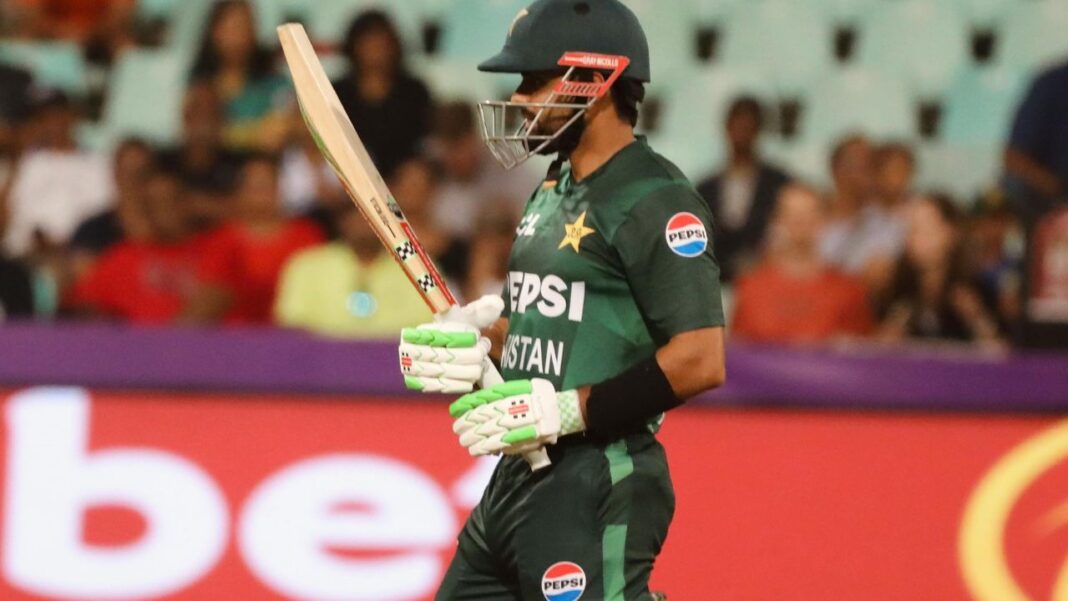

On the heels of Pakistan‘s poor showing in the T20 World Cup, Salman Mirza has responded to multiple damaging headlines with a lawsuit directed against the journalist and media company that published them. Originally published anonymously as a “journalistic piece”, the allegations quickly escalated into high-profile discord involving the player, media, and governing body around questions of substantiation, reputational damage, and the ambiguous lines of current sports reporting.
According to later releases, the trigger point for this story was a report issued by Pakistani media that specifically identified a member of the Pakistan cricket team as being implicated in “inappropriate behaviour” towards a female at the Pakistan team’s hotel in Kandy. Within hours, Mirza’s attorney sent a notice demanding an effort to retract and threatened additional action against the news outlet responsible for the article. The plaintiff made his position public, stating that the allegations were “false, malicious, and defamatory.” The language used in the article demonstrates how quickly an unfounded accusation can spread virally across social networks and 24-hour television news.
The Pakistan Cricket Board (PCB) has entered into the contentious issue by terming the news as “untrue” and thus “unsubstantiated” and has called for a public apology from the broadcaster in question for its actions. It has stated that any attempt to broadcast unverified allegations regarding players will not be accepted and has indicated it will pursue legal options against those who have made unsubstantiated allegations against either the PCB or its players. The PCB’s response marks a very rare public denunciation of one of its broadcast partners and an indication of how serious the PCB has taken this incident and the collateral damage that is done by sensational reporting.
The origin of the narrative is instructive. A regional media source produced an initial report regarding an incident at a Kandy hotel but did not identify a player as the source of the allegation. In light of the initial report, several news organisations published an independent version of this occurrence and verified the name of the athlete against whom an alleged violation occurred; however, neither of these reports was validated. Media analysts are able to use this situation to demonstrate one of the biggest problems with unverified reports. Once the initial report exists, other media outlets can create new reports that are similar to the first and increase the volume of unverified stories generated to satisfy the needs of an audience that wants information.
To understand the ramifications of the scandal involving Mirza, we look at the statistics behind the player and how he has gone from being a left-arm fast bowler with a good chance of getting drafted into a franchise team to becoming a bona fide member of Pakistan’s national team and a star of the T20I leagues. His ascent from being developed by Lahore Qalandars to playing for his country only months after his debut is unprecedented in cricket, and while Mirza’s on-field performance has made the accusations against him all the more explosive, it also raises the question of responsibility on the part of the media, legal protections for athletes and the boards who govern athletics to control the dissemination of false narratives.
While legal notices can create pressure to make corrections, settle the dispute, or force another round of litigation, they also have the potential to make an already bad situation much worse by maintaining it in front of the public. For news organisations, they are a reminder of the importance of having an accurate set of rules/information to verify what they report; for players, they are another reminder that something that happened in the “social media world” and may seem inconsequential now can have huge impacts on their careers prior to any formal review process.
Now, what will happen next is both procedurally and reputationally related to the case. The broadcaster can retract their story, apologise for it, dispute the notice, or choose to ignore it. Each of these actions has its own associated legal costs and public relations implications/impact. The PCB (Pakistan Cricket Board) has stated that they will pursue the media’s accountability for their actions, whether through public apologies, corrections, or the courts. The legal action taken by Mirza will likely cause other news media to reconsider how they treat anonymous sources compared to sources with named claimants/testimonials.
This tournament has left Pakistan (cricket) in shambles, and the off-the-field events associated with this tournament are adding to that disruption of normalcy. It shows us that in today’s world of sport, there are two major playing fields – the stadium filling with runs and wickets and the media world, where things can happen overnight due to valid and less than valid reporting in this space. One would hope that this incident will cause broadcasters, boards, players, and fans to ask themselves a very simple question before they retweet anything: “Has this been confirmed?”