

On Tuesday, the Qatari Ministry of Commerce announced they are fully prepared to continue having an adequate supply for grocery stores in response to the ongoing unrest and conflict that is currently impacting normal delivery routes throughout the region. Sheikh Faisal bin Thani Al-Thani told Qatar TV that the ministry has continuously tracked 10 years’ worth of data on food and supply inventory via its Operations Centre, and a contingency plan can be activated whenever necessary.
He went on to describe their plan to have multiple sources for food, activate alternative maritime corridors, and (most importantly) use air freight to fill in gaps that need to be filled quickly. Qatar has already moved over 300 tons of basic food items by air and plans on getting that number up to 1,000 tons as needed, working with Qatar Airways to expedite the process and reduce dependence on longer sea-route transports.
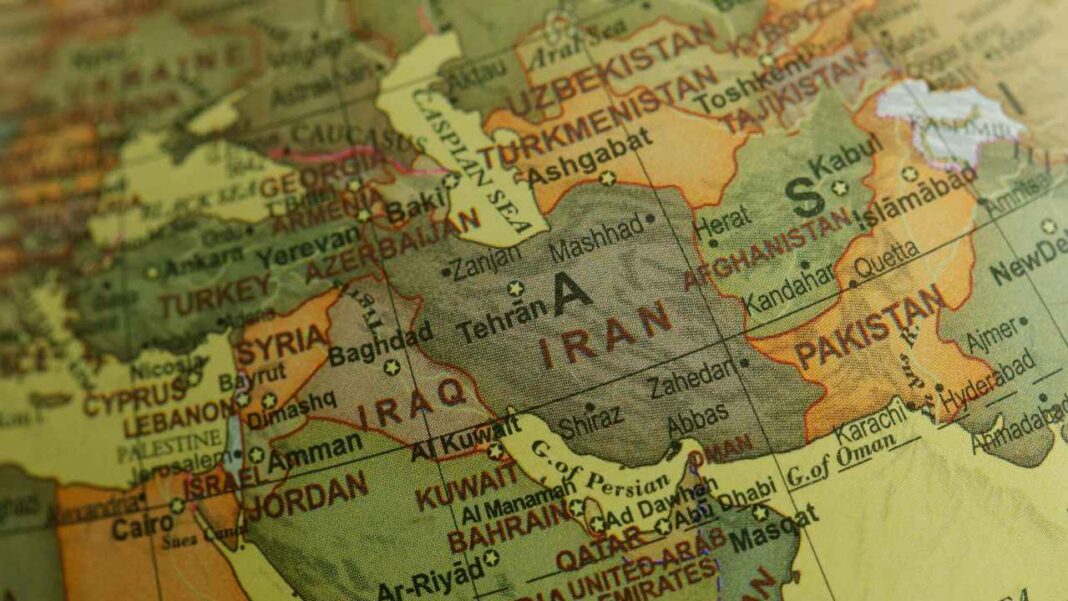
Preparedness is essential because the Gulf has many major chokepoints that are becoming flashpoints as well. For instance, the International Energy Agency has highlighted the strategic importance of the Strait of Hormuz, as it contains a significant percentage of the world’s seaborne energy exports; therefore, disruption to maritime traffic through the Strait of Hormuz will significantly disrupt trade and transit for all of the countries bordering the Gulf. While analysts believe alternatives exist to these chokepoints, rerouting shipping will increase shipping costs and therefore also increase prices paid by consumers.
Sheikh Faisal indicated that short-term market fluctuations will likely occur when transportation costs increase, but he was quick to clarify the difference between temporary price increases and structural shortages of product. He stated that the ministry is prepared to react quickly when necessary by using its monitoring systems to rapidly respond, either by utilizing the stockpile of emergency reserves or by expediting the process of importing products to ensure an adequate supply and protect the most fragile items in the marketplace.
Qatar’s assurances also reflect broader regional moves: neighboring producers and ports are rerouting cargoes around strained passages, and some Gulf states are boosting pipeline and overland capacity to preserve exports. Those shifts underscore how logistics—not just production—now shape food and fuel availability across the region.
For residents, the takeaway is pragmatic: expect short-term volatility but not panic-buying. The ministry’s decade-long contingency playbook, an active air bridge with national carriers, and continuous market surveillance together form a buffer designed to keep essentials flowing — even when the map of global trade is being redrawn.