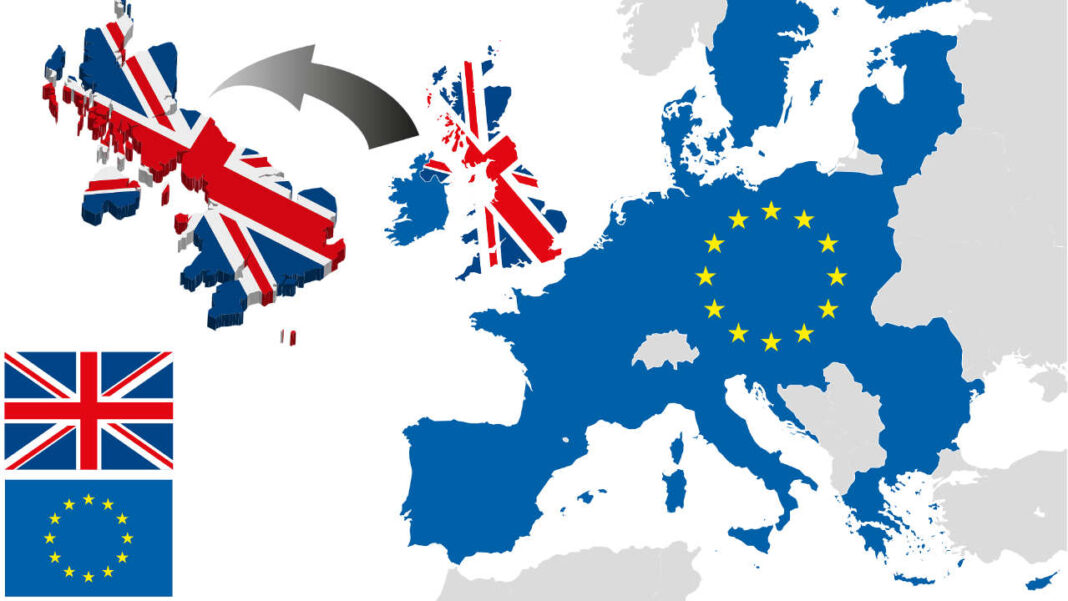

It has been 3 months involving 3 rounds since Brexit negotiations formally began on 19 June ’25. The two sides appear to have made little progress from their initial positions. The EU’s Chief Brexit Negotiator, Michael Barnier, closed the last round of negotiations on 31 August. Barnier announced then that neither side had made ‘any decisive progress’ on any of the key issues surrounding the UK’s withdrawal from the bloc. However, Barnier’s UK counterpart, David Davis, was only slightly more optimistic in his view that ‘We have seen some concrete progress….although there remains some way to go.’
The last round, similar to the one preceding it, was targeted at reaching some sort of breakthrough on the 3 major divorce issues surrounding the UK’s exit from the bloc. These were citizens’ rights, the UK financial settlement and the border between the Republic of Ireland and Northern Ireland. These have been the sticky topics on which the EU insists must be addressed before the parties can move on to discussing trade and their future relationship.

It’s a tall order, although both sides anticipated that they may be able to reach an agreement by October ’26. The EU is not entirely convinced. ‘The current state of progress means we may be quite far from being able to say that sufficient progress has taken place. Barnier added that it’s not far enough for him to be able to say to the European Council that we can commence a discussion of the future relationship.
Meantime, with the clock ticking towards the 2-year deadline, UK Chancellor Philip Hammond has set out his ambitions for a transition period after Brexit. During this period, the UK and the EU 27 will sustain access to each other’s markets. The agreement will implement a harmonized customs regime. This may avoid asking businesses to face 2 sets of changes. Firstly, in March ’19, and secondly, when a new trade deal has been agreed between the UK and the EU.