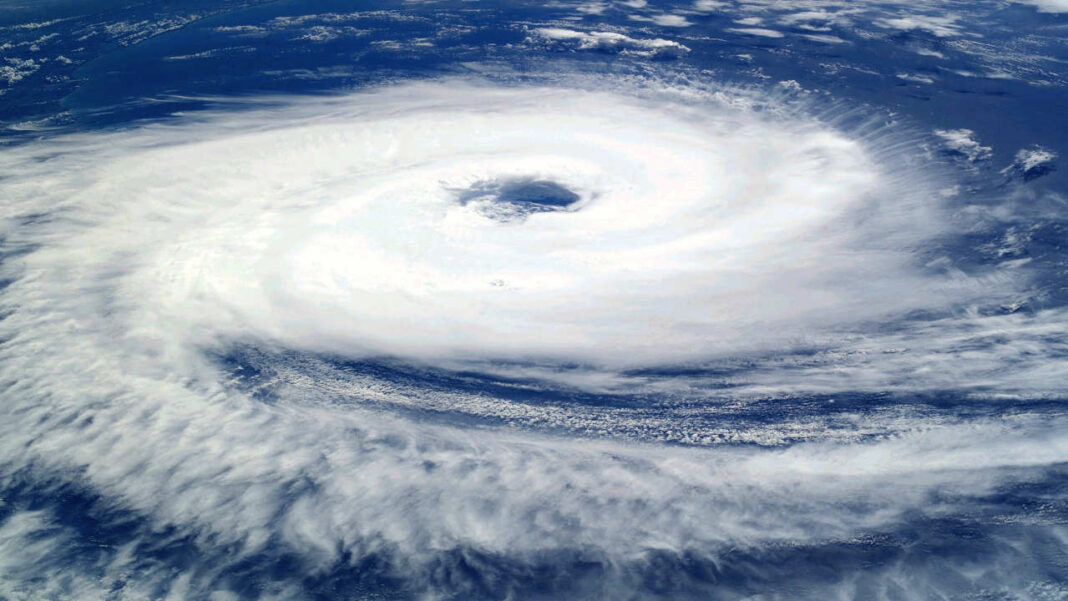

The unusual weather event which is taking place in the Western Pacific is being closely monitored by meteorologists, as it could have serious consequences both locally and globally. Three tropical cyclones, for the first time in years (last year being 2015), may form simultaneously at the same time in roughly the same longitude. This phenomenon is known as ‘triplet cyclones’, which are very rare to come across, unlike ‘twin cyclones’, which typically take place once every few years.
While one storm is expected to be located near Papua New Guinea (PNG) and the Solomon Islands, where heavy rainfall which could reach up to 50 to 100 inches is warned, the risk of flooding and landslides which can cause high catastrophe is being raised. In Vanuatu and Fiji, another cyclone is expected to develop, while the third cyclone is likely to form near the northwest Pacific, near Micronesia, Guam, and the Northern Mariana Islands. These storms are moving slowly, causing a larger impact than what could have been, causing disruption locally, which includes the strong winds and dangerous rising seas.
Scientists warn that these cyclones could also influence global climate patterns. The Defence Department meteorologist Eric Webb explained that the storms may “significantly boost the odds” of a strong to super El Niño later this year. The storms push warm surface water eastward across the Pacific, a key process in developing El Niño conditions, which can trigger widespread heatwaves, floods, droughts, and shifts in hurricane activity worldwide.
Major El Niño events, which last took place in 1997 and 2015, are associated with triplet cyclones or twin cyclones. These examples demonstrate how these patterns could impact weather across various continents. As an example, super El Niño can increase the percentage of droughts in tropical regions, which could end up bringing even heavier rainfall to parts of America and influencing the frequency of hurricanes in both the Atlantic and Pacific Oceans.
Meteorologists continue to monitor the situation closely. The development of these cyclones, combined with recent westerly wind bursts, could create a feedback loop, pushing warm Pacific waters further east and increasing the strength of a potential super El Niño. Residents in affected areas are being urged to follow updates, while climate scientists warn the event may have repercussions for global weather through 2026 and into 2027.