
Signing a $1.5 billion loan agreement with the International Islamic Trade Finance Corporation (TFC), Egypt is trying to strengthen its food and security in energy, which shows the broader global trend of governments taking an effort to turn to financing that is external to stabilise sectors that are highly essential to the country amidst the economic pressures and geopolitical uncertainty that are persistent.
The agreement, which has allocated $700 million towards Egypt’s General Authority for Supply Commodities (GASC) to support food imports for staples, such as wheat, has also directed $800 million to the Egyptian General Petroleum Corporation to bolster energy supplies even further. This type of financing comes as a form of the long-term partnership, Egypt has with the ITFC’S, which has already overgone $24 billion in funding approved since 2008.
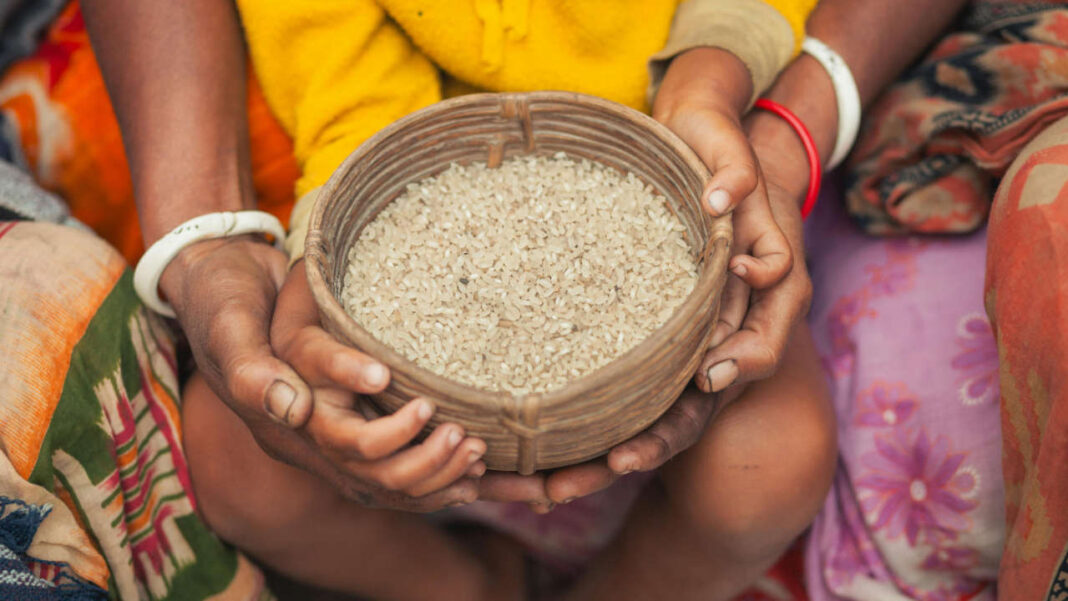
Officials have gone on to say that the deal is aimed at making sure that stability is maintained in key sectors as Egypt continues to face inflationary pressures, subsidy burdens, and shocks that are external, which are directly linked to the volatility in the global energy market. The country continues to be one of the world’s largest wheat importers, relying heavily on subsidised bread programs that support approximately tens of millions of citizens.
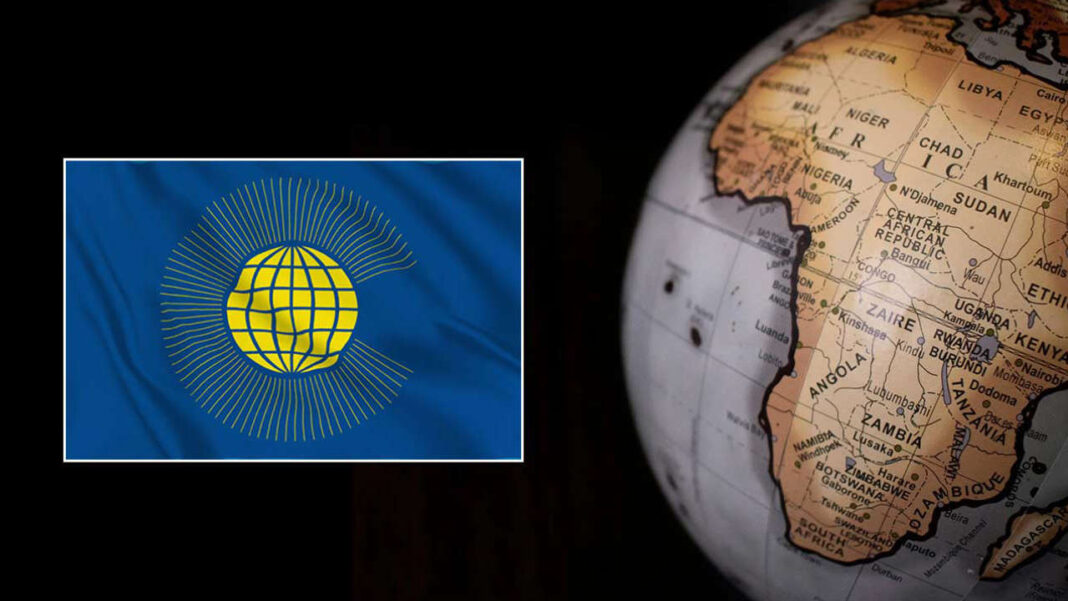
Similar financing patterns are emerging across the Commonwealth, where several member states are also strengthening external funding ties to manage infrastructure, food security, and energy needs.
In Africa, $150 million has been secured by South Africa to develop a policy loan from the OPEC Fund that is aimed towards international development. The financing will support structural reforms aimed at easing infrastructure bottlenecks and improving efficiency in the economy. Analysts that are aware of the situation have gone on to say that such targeted loans give a reflection on the growing emphasis on funding that is linked to reforms rather than broad budget support.
Meanwhile, Kenya, a Commonwealth country, and other East African Commonwealth economies continue to expand partnerships with multilateral lenders to make sure that currencies are stabilised and finance energy transition projects will continue. Kenya has increased engagement with international climate and development funds so that drought resilience and renewable energy expansion will be directly addressed, as it is key to balancing debt sustainability with the growth goals that are planned to be carried out in the long term.
In Asia, India, another major Commonwealth economy, has diverted their focus on securing the inflows of investment through partnerships that are both private and public in infrastructure as well as energy that can be renewed. The government’s ongoing push for domestic manufacturing and energy diversification has not disappointed in attracting a very significant amount of foreign capital, especially in solar and green hydrogen sectors. These initiatives are part of the much larger effort that is being made to reduce dependence on fossil fuels that are imported, while maintaining the rapid growth in the economy.
Similarly, Bangladesh, another Commonwealth country, has also continued to rely on multilateral financing to support its energy imports and industrial expansion. Despite strong export performance in textiles, rising global fuel costs have increased pressure on its foreign exchange reserves, prompting additional support from development institutions.
Taken together, these developments show the much broader reality in the globe: many emerging economies, including those in the Commonwealth, have started to depend increasingly on international financing that is well structured to secure the essential commodities and also to sustain economic stability even further, in hopes of it being long-lasting. While such agreements provide immediate relief and liquidity, economists warn that long-term resilience will depend on reforms, domestic production capacity, and improved fiscal management.
Egypt’s latest $1.5 billion ITFC deal clearly highlights this balancing act between short-term stability and long-term sustainability in a world where food and energy security continue to remain as a central economic challenge.